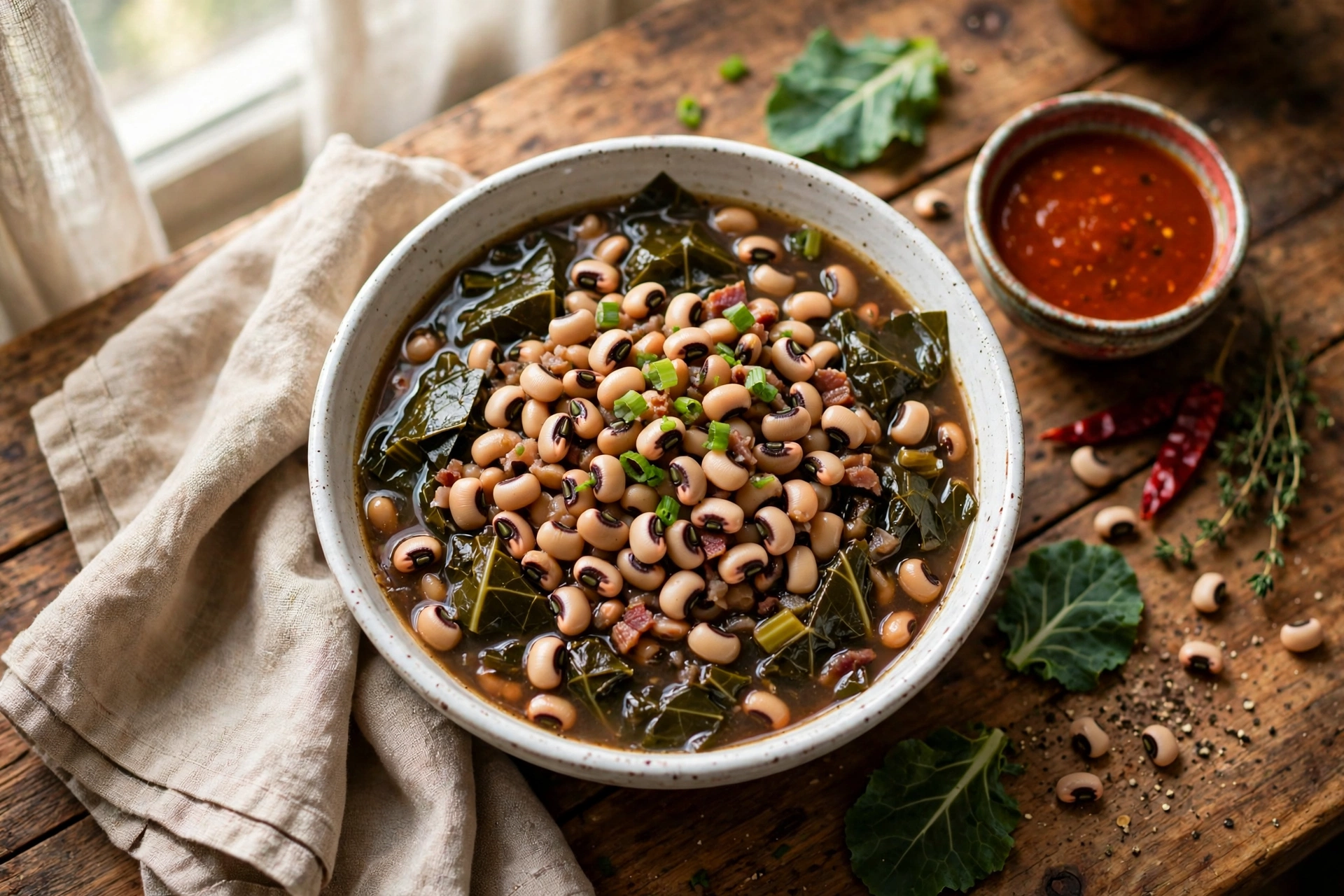
Some dishes are just dinner. This one is a wish. On New Year’s Day across the American South, a pot of black-eyed peas goes on the stove first thing in the morning, and soon the whole house smells like onion, garlic, and smoke. The peas turn creamy in a rich broth called pot liquor, the greens wilt in at the end, and everyone eats a spoonful for luck.
These black eyed peas for New Years take 55 minutes of mostly hands-off simmering, plus a simple soak. Smoky without any meat, thanks to smoked paprika and a slow-cooked onion base, they stay whole and tender instead of falling apart.

Why You’ll Love It
- Good luck in a bowl. Peas for coins, greens for dollars — the whole New Year’s tradition in one pot.
- Smoky without meat. Smoked paprika and slow-simmered aromatics give you soul-food flavor with no ham hock needed.
- Peas that stay whole. The soak and gentle simmer keep every pea tender and intact, never mushy.
- Mostly hands-off. Ten minutes of prep, then the pot does the work while you get on with the day.
- Greens built in. Collard greens wilt straight into the same pot, so the luck plate is complete.
- Better the next day. The pot liquor thickens overnight, so this rare New Year’s dish improves as leftovers.
- Budget friendly. A pound of dried peas feeds six for pennies.
Ingredients
The Peas and the Pot
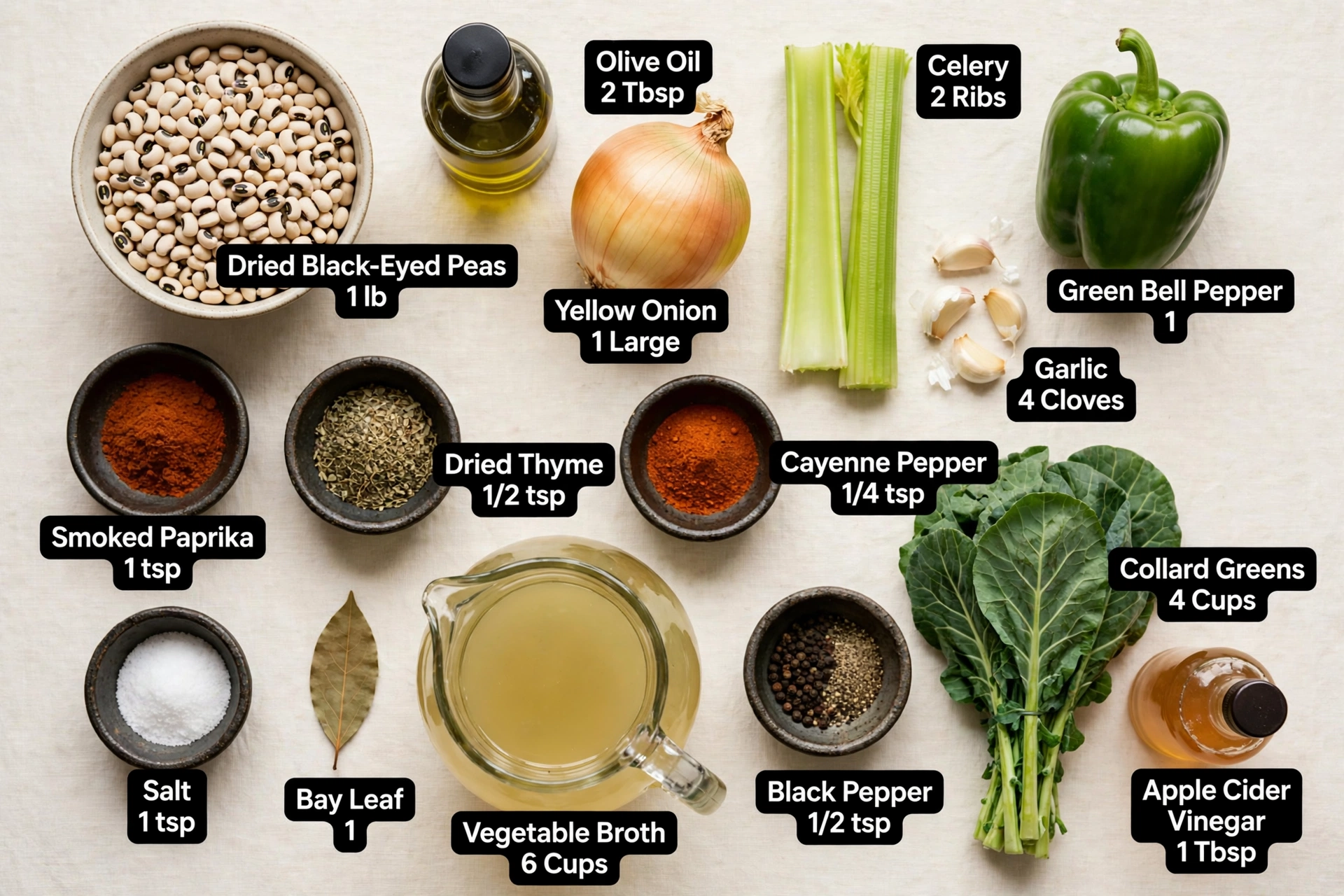
- 1 lb dried black-eyed peas, rinsed and picked over — The heart of the dish. Dried peas cook up creamier and hold their shape far better than canned, and a pound feeds six. Discard shriveled peas or stones. Substitution: 3 cans (15 oz each), drained — skip the soak, simmer 20 minutes.
- 6 cups vegetable broth — The cooking liquid that becomes the pot liquor. Broth gives the peas a savory backbone water never will, and pea starch thickens it for spooning over rice. Substitution: chicken broth, or water plus salt.
- 1 bay leaf — Quiet background flavor you would miss if it were gone. Fish it out before serving. Substitution: 1/2 teaspoon dried thyme.
The Aromatics and Spices
- 2 tablespoons olive oil — The cooking fat that starts the flavor base and helps the smoked paprika bloom. Substitution: butter, or bacon drippings for a meat version.
- 1 large yellow onion, diced — Sweetness and body. The onion melts into the broth, and it is why the pot liquor tastes rich rather than thin. Substitution: 2 medium white onions.
- 2 ribs celery, diced — A fresh, green note in the base, part of the classic Southern trinity. Substitution: 2 diced carrots.
- 1 green bell pepper, diced — The third part of the trinity. It adds a mild, grassy bite that balances the smoky paprika. Substitution: 1 red bell pepper.
- 4 cloves garlic, minced — Warmth and depth. It goes in after the vegetables soften so it turns fragrant without burning. Substitution: 1 teaspoon garlic powder.
- 1 teaspoon smoked paprika — The smoke, without the ham hock. One spoonful gives the broth its deep, smoky flavor. Use smoked paprika, not sweet. Substitution: chipotle powder.
- 1/2 teaspoon dried thyme — Herbal warmth that ties the onion, garlic, and paprika together. Substitution: 1 1/2 teaspoons fresh thyme leaves.
- 1/4 teaspoon cayenne pepper — A gentle heat that builds slowly. A quarter teaspoon warms the pot without making it spicy. Substitution: red pepper flakes, or leave it out.
- 1 teaspoon salt — Seasoning that makes every other flavor louder. It goes in with the aromatics to season the peas from the inside. Substitution: kosher salt.
- 1/2 teaspoon black pepper, freshly cracked — A small bite at the finish. Freshly cracked pepper tastes brighter than pre-ground. Substitution: white pepper.
The Greens and the Finish
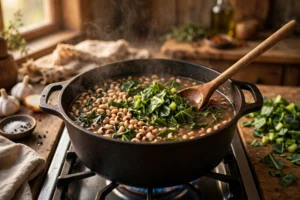
- 4 cups chopped collard greens, tough stems removed — The dollars to the peas’ coins. Collards wilt into the hot pot in minutes, and their slight bitterness cuts through the creamy peas. Substitution: kale or mustard greens.
- 1 tablespoon apple cider vinegar — The bright finish. A spoonful at the end lifts the whole pot. Never add it early — acid slows the peas from softening. Substitution: red wine vinegar or lemon juice.
How to Make Black-Eyed Peas for New Year’s
1Soak the Peas
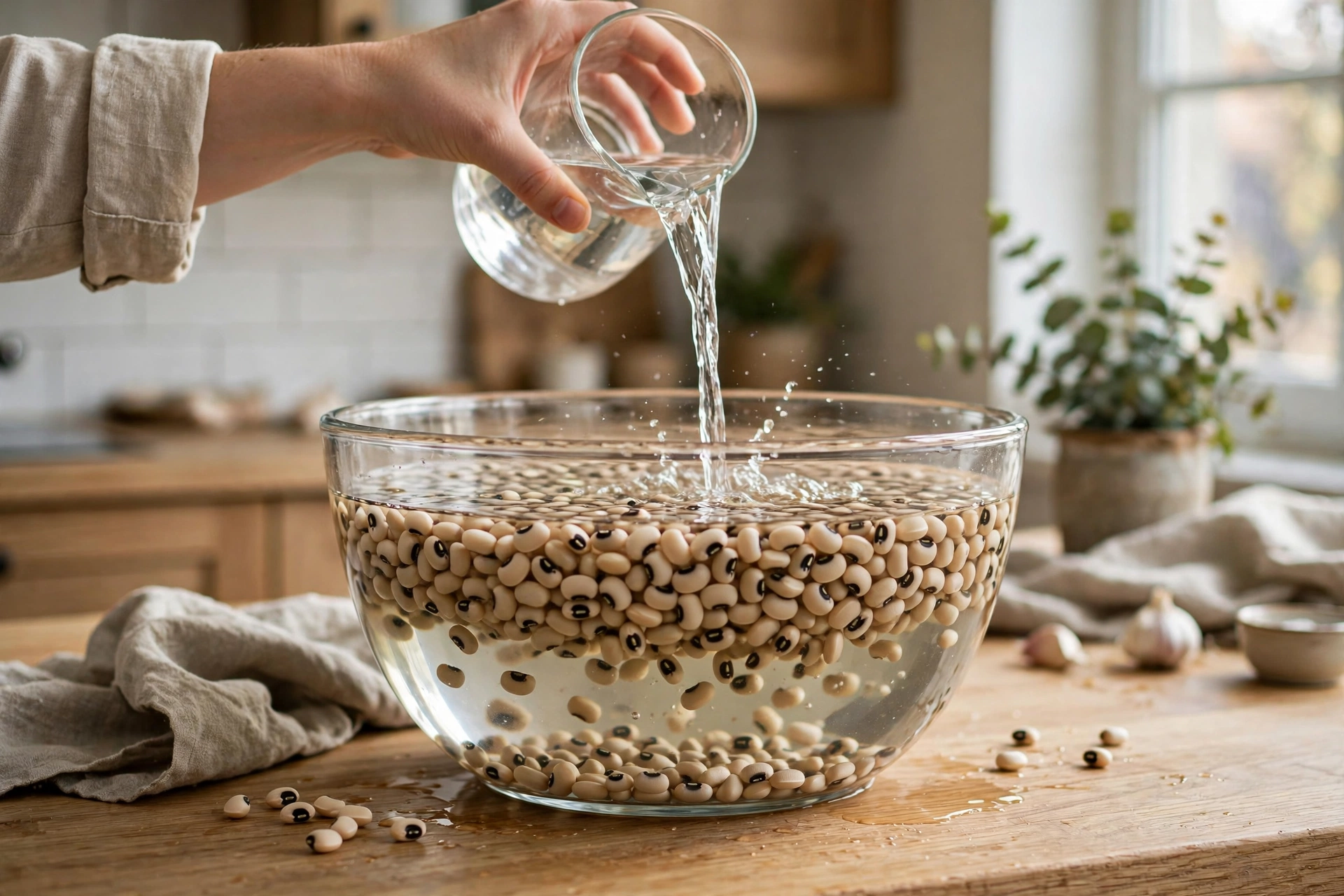
Soak the peas. Rinse the peas, pick out shriveled ones or tiny stones, then cover with cold water by 2 inches. Quick soak: boil 2 minutes, then take the pot off the heat, cover, and rest 1 hour. Overnight soak: leave the bowl on the counter overnight. Either way, drain and rinse before cooking.
2Saute the Aromatics
Saute the aromatics. Warm the olive oil in a large heavy pot over medium heat. Add the onion, celery, and bell pepper and cook about 8 minutes, until the onion turns soft and see-through. Stir in the garlic, smoked paprika, thyme, cayenne, salt, and pepper and cook 1 minute more.
3Add the Peas and Simmer Low and Slow
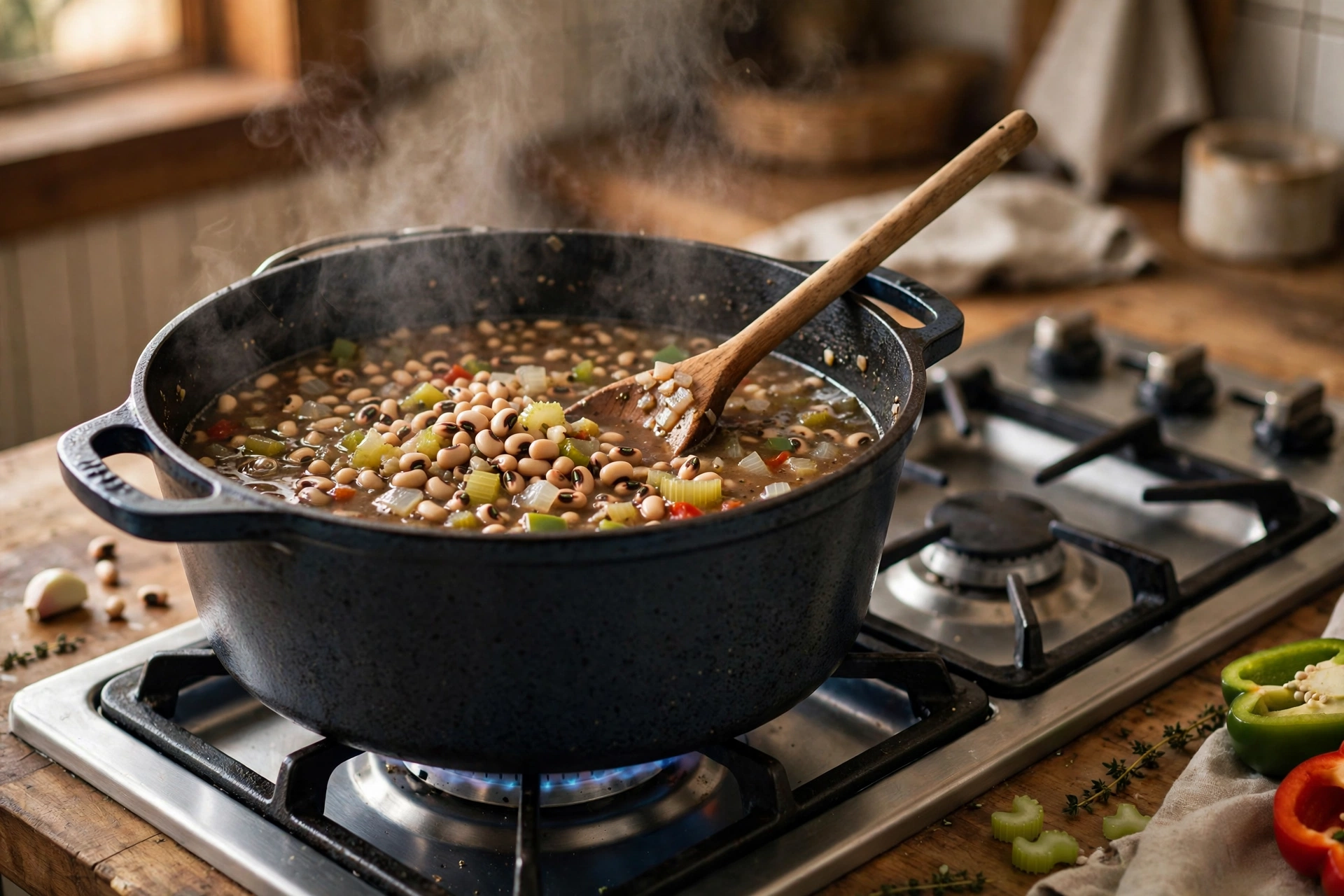
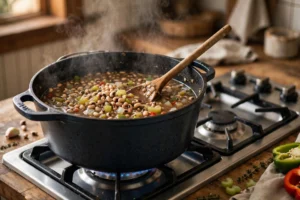
Add the peas and simmer low and slow. Pour in the drained peas, the broth, and the bay leaf. Bring to a gentle boil, then turn the heat down until the surface barely bubbles — a lazy simmer, not a rolling boil. Lid slightly ajar, cook 40 to 45 minutes, stirring every 15 minutes and adding water if needed.
4Check for Doneness
Check for doneness. Start tasting at 40 minutes. A finished pea is tender all the way through and creamy inside, yet still holds its shape on a spoon. If the center is chalky, cook 10 minutes more and taste again. The peas keep softening off the heat, so take them off just before they seem perfect.
5Stir in the Greens
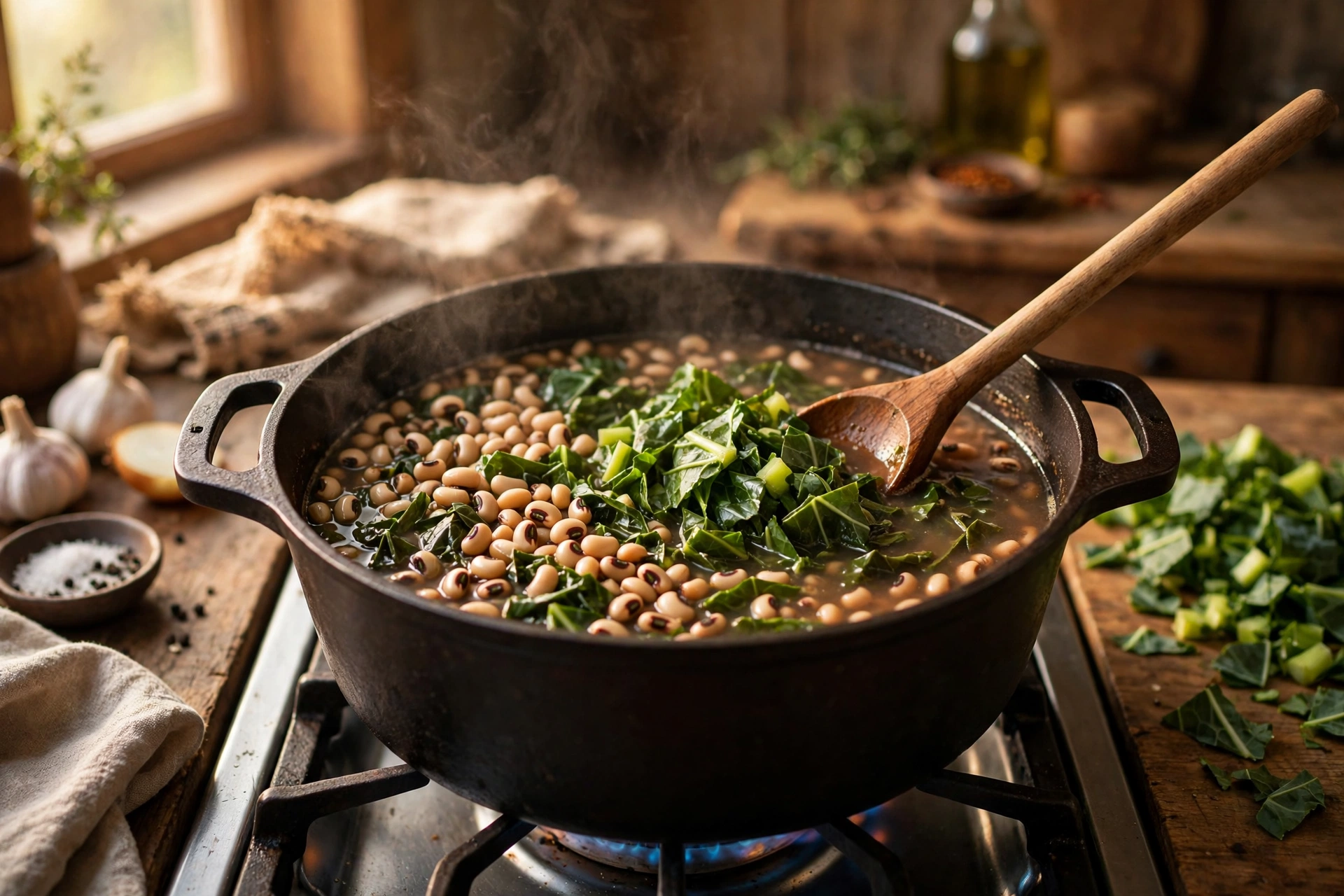
Stir in the greens. Take the pot off the heat and fish out the bay leaf. Stir in the collard greens a handful at a time, letting each handful wilt first. Lid back on for 5 minutes.
6Season and Serve
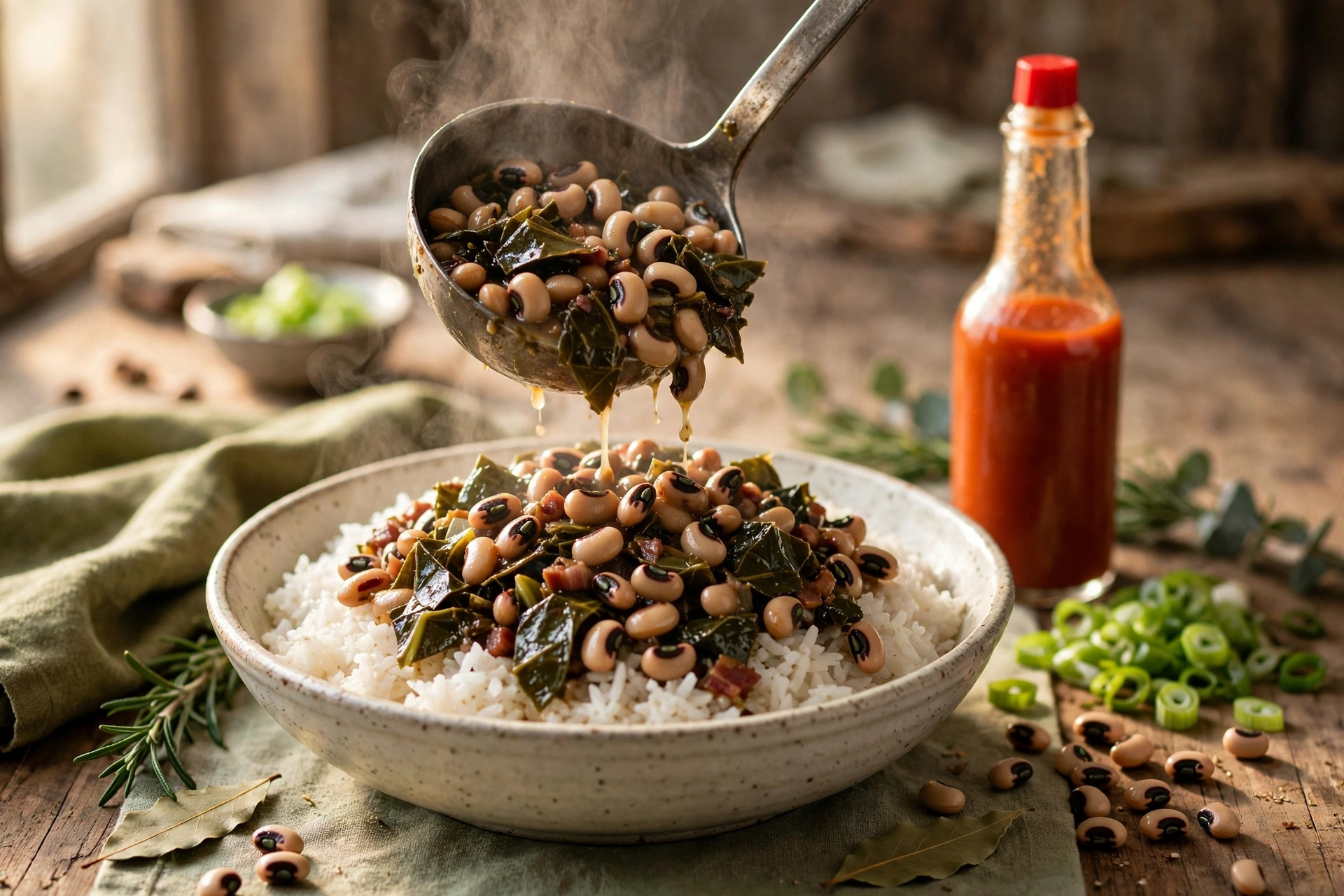
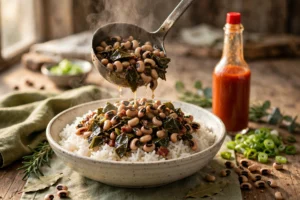
Season and serve. Stir in the vinegar, taste the pot liquor, and adjust the salt. If the broth tastes thin, mash a spoonful of peas against the side of the pot and stir it back in. Serve hot, over rice or straight from the bowl.
Technique: The Soak and Simmer System — Whole Peas, Never Mushy
Mushy black-eyed peas are not bad luck; they are a technique problem, and this system fixes it. Every part exists for one reason: peas that are creamy inside, whole outside, and swimming in thick pot liquor.
The Soak Evens Everything Out
Dried peas are not all the same age, so unsoaked peas cook unevenly — the small ones fall apart while the big ones stay chalky. Soaking fixes that: every pea absorbs water until they are all equally plump, then they all finish at the same time. The quick soak (boil 2 minutes, rest 1 hour) does the job on a busy morning, while the overnight soak is gentler. Skip it and add about 20 minutes to the simmer, accepting a few split peas.
The Gentle Simmer Protects the Skins
Once the peas are in the pot, heat is the whole game. A hard, rolling boil tosses the peas against each other and the sides of the pot, splitting their thin skins. A bare simmer lets them cook quietly — look for the surface to barely tremble, with a bubble rising every few seconds. Keep the lid slightly ajar, and stir gently with a wooden spoon.
The Acid Waits Until the End
Vinegar and other acids slow dried beans and peas from softening, because acid strengthens their skins. That is why the vinegar goes in only after the peas are fully tender. The same rule applies to tomatoes: add them with the greens at the end, never at the start. Salt is welcome early.
The Pot Liquor Finish
Pot liquor is the prize of this dish, and it needs one small trick. When the peas are tender, the broth is usually still thinner than you want. Instead of simmering longer and risking mushy peas, mash a spoonful of peas against the side of the pot and stir it back in. The broken peas release their starch and the broth turns silky and thick. If it still seems watery, mash one more — never more than two, or the pot turns to porridge.
Tips for the Best Black-Eyed Peas for New Year’s
- Soak the peas first. Even the quick 1-hour soak gives more even cooking and fewer split skins.
- Keep the simmer lazy. A bare tremble on the surface is right; a rolling boil splits the peas.
- Salt early, vinegar late. Salt seasons the peas as they cook; acid added early keeps them tough.
- Start tasting at 40 minutes. Peas go from perfect to mushy fast, so taste often near the end.
- Mash a spoonful to thicken. One mashed spoonful turns thin broth into silky pot liquor.
- Add the greens off the heat. The leftover heat wilts them perfectly, and they stay bright green.
- Use smoked paprika, not sweet. The smoke is what makes this meat-free pot taste Southern.
- Make it the day before. The pot liquor thickens overnight, and the peas taste even better on January 1st.
Variations
Hoppin’ John (Peas Over Rice)
Spoon the peas and plenty of pot liquor over hot long-grain white rice, topped with green onions and hot sauce. The classic plate: the peas are the coins, the rice stretches the pot to feed a crowd, and the greens are the dollars.
Spicy Black-Eyed Peas
Double the cayenne to 1/2 teaspoon, add 1 diced jalapeno with the vegetables, and finish with hot sauce. Wonderful with cornbread, which cools the heat down.
Black-Eyed Peas with Bacon
If your table wants the traditional pork version, cook 6 oz diced bacon until crisp, lift it out, and saute the aromatics in the drippings instead of olive oil. Stir the bacon back in with the greens so it stays crisp.
Slow Cooker Black-Eyed Peas
Put the soaked peas, sauteed aromatics, broth, and bay leaf into a slow cooker, and cook on low 6 to 8 hours or on high 4 to 5 hours, until tender. Stir in the greens and vinegar in the last 30 minutes.
Texas Caviar (Cold Black-Eyed Pea Salad)
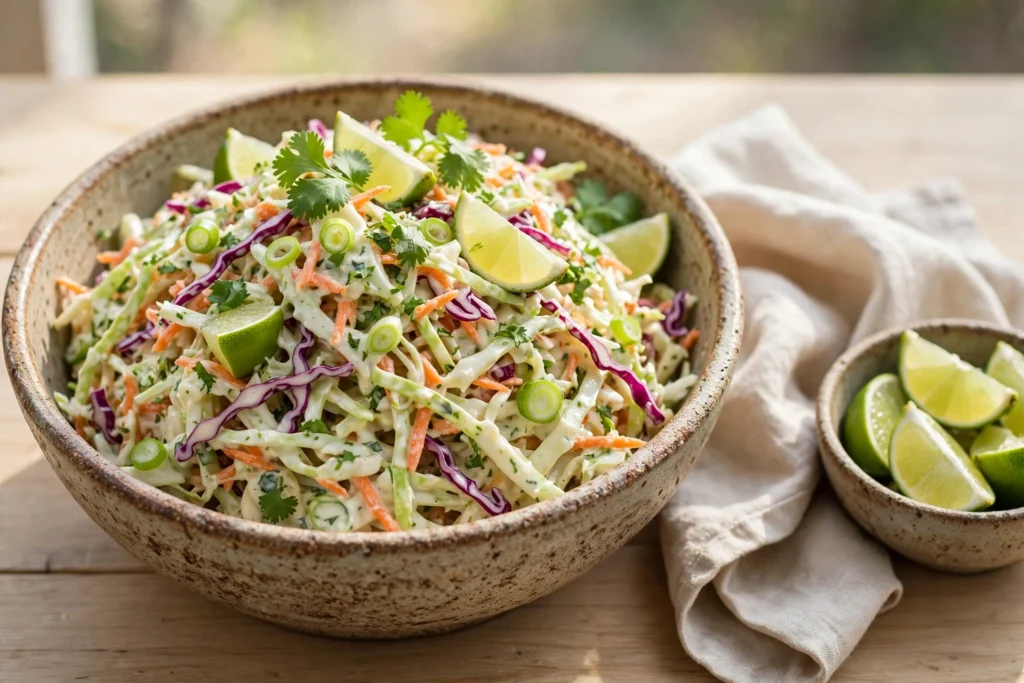
Chill leftover peas, drain off most of the liquor, and toss with diced tomato, red onion, jalapeno, cilantro, lime juice, and olive oil. Serve cold with tortilla chips.
What to Serve With Black-Eyed Peas for New Year’s
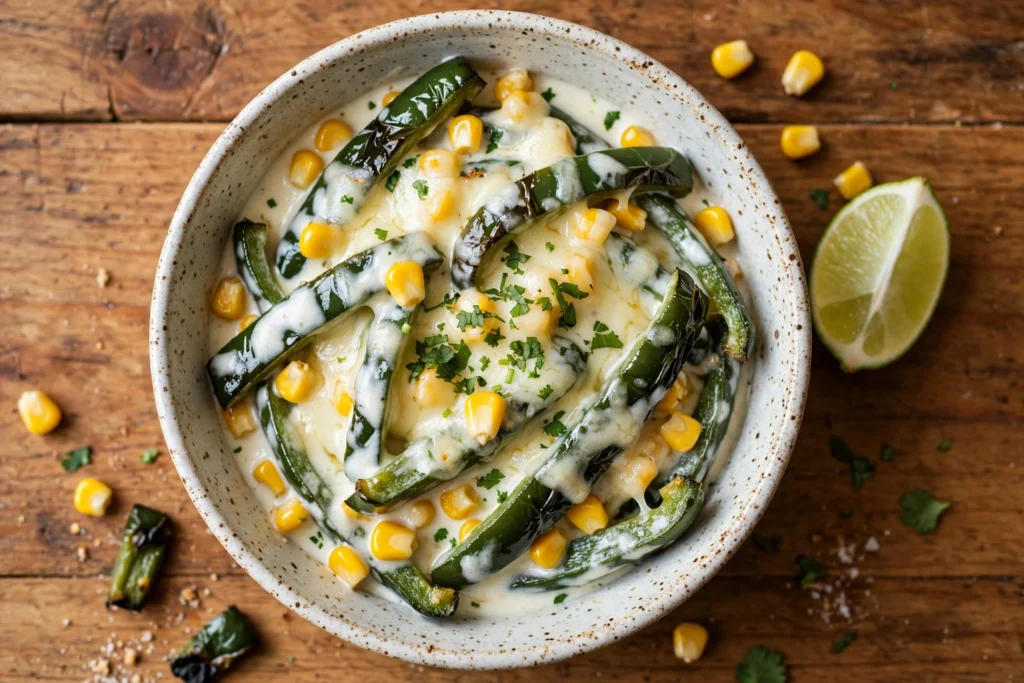
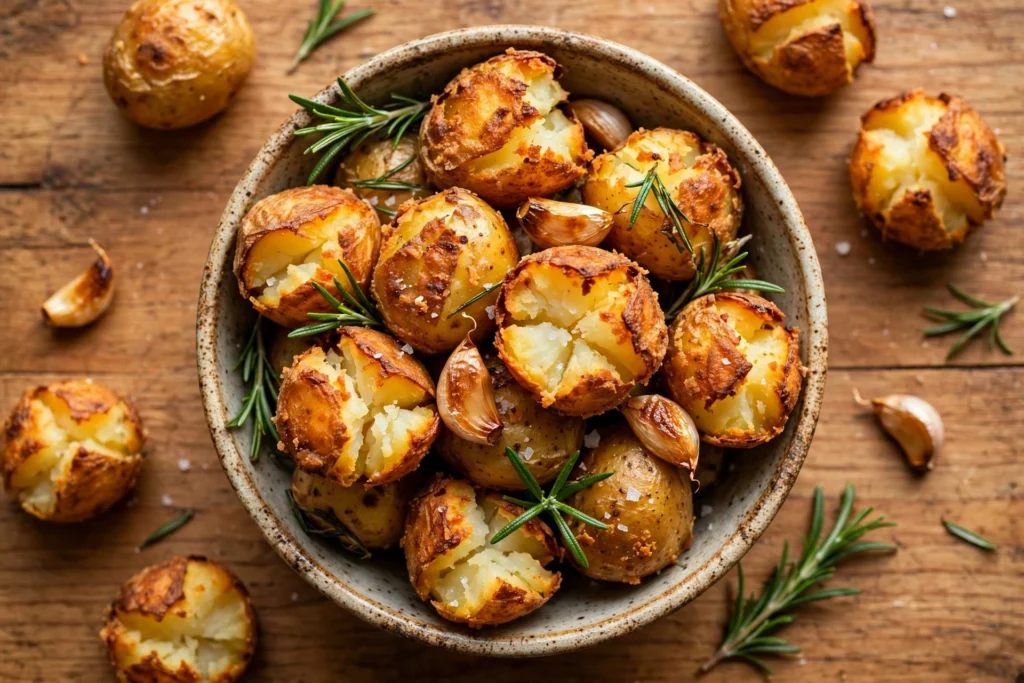
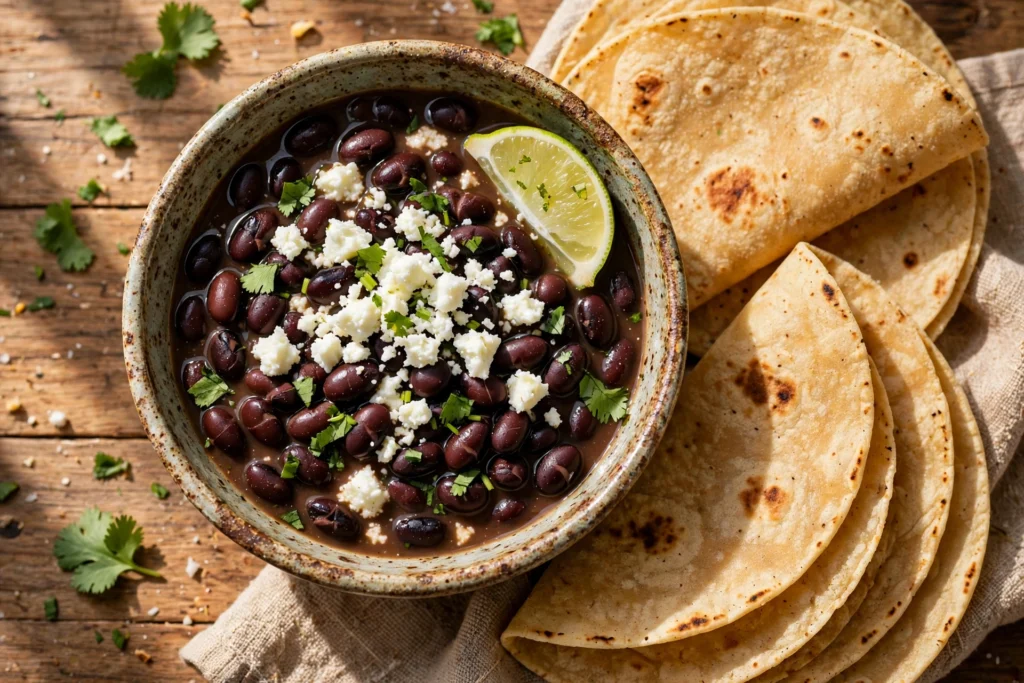
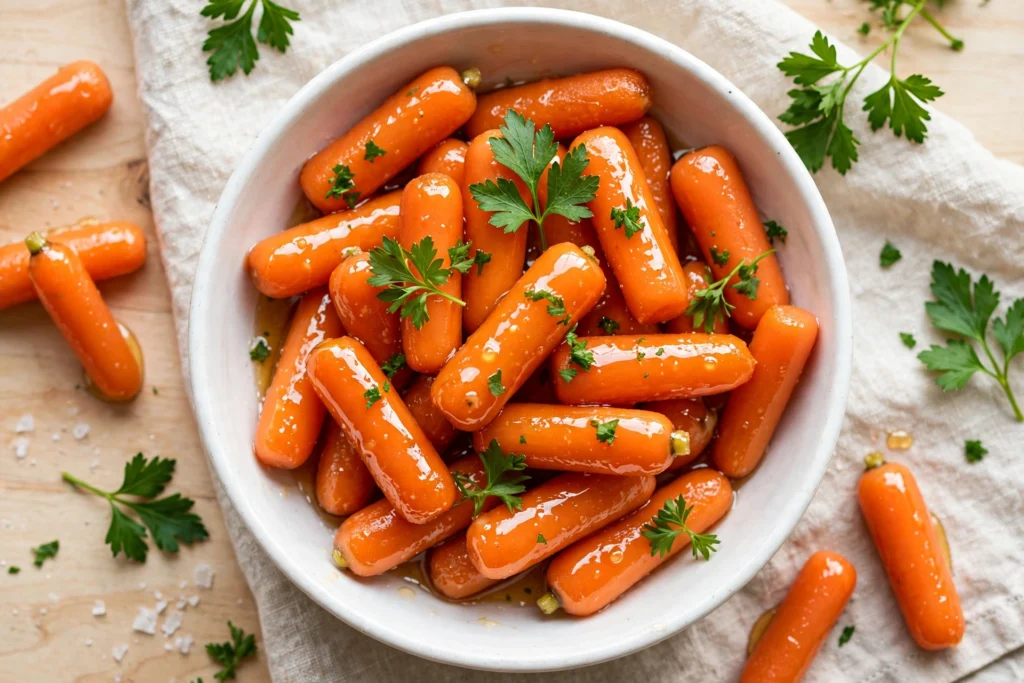
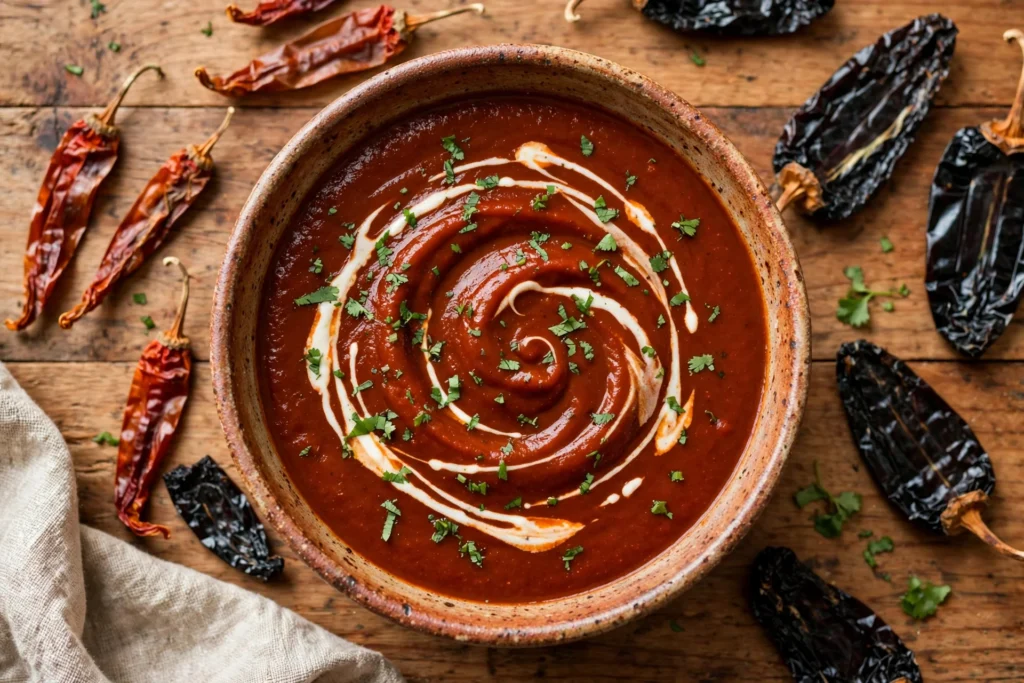
The tradition is a full plate: the peas are coins, the greens are dollars, and cornbread is gold. This pot already carries the peas and the greens, so build the rest of the plate around it. For another bean dish, frijoles charros brings a smoky, brothy Mexican cousin to the same meal, and lentejas adds a second lucky legume — lentils are the good-luck food of many other New Year’s traditions too. For a slow-cooked pot alongside, slow cooker calico beans feeds a crowd with almost no work. And for a crisp, golden side, crispy roast potatoes are the plate’s crunchy contrast. Serve everything with hot sauce and warm cornbread for the pot liquor.
Storage
In the Fridge
Store the peas in their pot liquor in an airtight container in the fridge for up to 5 days. They taste better on the second day, once the broth has thickened. Reheat gently over low heat with a splash of water or broth.
Make-Ahead (Best Method)
Cook the pot fully on New Year’s Eve and refrigerate overnight. On New Year’s Day, reheat gently and stir in the vinegar just before serving — or hold the greens out and wilt them into the reheated pot. Either way, it is ready in 10 minutes.
Freezing
Freeze the peas in their liquor for up to 3 months. The greens soften further after freezing, so leave them out and add fresh ones when you reheat. Thaw overnight in the fridge.
Frequently Asked Questions
Why do you eat black-eyed peas on New Year’s Day?
Eating black eyed peas for New Years is a Southern tradition that promises good luck and prosperity for the year ahead. The peas stand for coins, because they swell as they cook, and the custom says to eat one pea for each day of the year. Greens stand for dollars, and cornbread stands for gold.
Do black-eyed peas really bring good luck?
That depends on what you believe, but the tradition is beloved across the South and kept for generations. Families who eat black-eyed peas on January 1st say the year starts right with a full table and a shared meal. Even without the magic, you still get a delicious pot of peas.
How do you keep black-eyed peas from getting mushy?
Three things keep them whole: soak the peas first so they cook evenly, keep the pot at a bare, lazy simmer instead of a rolling boil, and start tasting at 40 minutes. Add vinegar only after the peas are fully cooked.
Should I soak black-eyed peas before cooking?
Yes. A quick soak (boil 2 minutes, rest 1 hour) or an overnight soak gives you more even cooking, fewer split skins, and a shorter simmer. Skip it and add about 20 minutes, expecting a few more peas to split.
Can I make black-eyed peas ahead of time for New Year’s Day?
Yes, and you should. Cook the pot fully on New Year’s Eve and refrigerate it overnight — the pot liquor thickens and the flavor deepens. Reheat gently on January 1st, and stir in the vinegar before serving.
Can I use canned black-eyed peas instead of dried?
Yes. Use 3 cans (15 oz each), drained and rinsed, and skip the soak. Saute the aromatics as written, then add the canned peas and broth and simmer only 20 minutes. The texture will be softer, but the flavor is wonderful.
What do you serve with black-eyed peas for New Year’s?
The classic plate for black eyed peas for New Years is greens, cornbread, and rice or mashed potatoes. The peas are coins, the greens are dollars, and the cornbread is gold. Hot sauce is traditional, and a second bean dish like frijoles charros or lentejas makes the table generous.
Are black-eyed peas healthy?
Yes. Black-eyed peas are high in fiber and plant protein, low in fat, and rich in folate and iron. This meat-free version is built on vegetables, olive oil, and broth — a light way to start the year.
Try These Next
- Frijoles Charros — smoky, brothy Mexican beans for the same table.
- Lentejas — another lucky legume, simmered with vegetables.
- Slow Cooker Calico Beans — a sweet and savory bean pot that feeds a crowd.
- Crispy Roast Potatoes — golden, crunchy potatoes that balance the soft, brothy comfort.
- Christmas Chex Mix
- Christmas cinnamon rolls
Black-Eyed Peas for New Year's
Ingredients
The Peas and the Pot
- 1 lb dried black-eyed peas rinsed and picked over
- 6 cups vegetable broth
- 1 bay leaf
The Aromatics and Spices
- 2 tablespoons olive oil
- 1 large yellow onion diced
- 2 ribs celery diced
- 1 green bell pepper diced
- 4 cloves garlic minced
- 1 teaspoon smoked paprika
- 1/2 teaspoon dried thyme
- 1/4 teaspoon cayenne pepper
- 1 teaspoon salt
- 1/2 teaspoon black pepper
The Greens and the Finish
- 4 cups chopped collard greens tough stems removed
- 1 tablespoon apple cider vinegar
Instructions
- Rinse the dried black-eyed peas and pick out any shriveled peas or tiny stones. For the quick soak, cover with cold water by 2 inches, bring to a boil, cook 2 minutes, then remove from the heat, cover, and rest 1 hour. For the overnight soak, cover with cold water by 2 inches and leave on the counter overnight. Drain and rinse the peas.
- Warm the olive oil in a large heavy pot or Dutch oven over medium heat. Add the onion, celery, and green bell pepper and cook about 8 minutes, stirring now and then, until the onion is soft and see-through. Stir in the garlic, smoked paprika, thyme, cayenne, salt, and black pepper and cook 1 minute more, until fragrant.
- Add the drained peas, vegetable broth, and bay leaf. Bring to a gentle boil, then reduce the heat to a bare simmer with the lid slightly ajar. Cook 40 to 45 minutes, stirring every 15 minutes and adding a splash of water if the peas peek above the liquid.

- Start tasting at 40 minutes. The peas are done when tender all the way through and creamy inside, yet still holding their shape on a spoon. If the center is chalky, cook 10 minutes more and taste again.
- Remove the pot from the heat and fish out the bay leaf. Stir in the chopped collard greens a handful at a time, letting each handful wilt before adding the next. Cover and rest 5 minutes so the greens finish softening in the steam.
- Stir in the apple cider vinegar, taste the pot liquor, and adjust the salt. If the broth is thin, mash a spoonful of peas against the side of the pot and stir it back in to thicken. Serve hot, over rice or straight from the bowl, with hot sauce on the table.
Notes
- Soak the peas first — even the quick 1-hour soak gives more even cooking and fewer split skins.
- Keep the pot at a bare, lazy simmer; a rolling boil splits the peas' thin skins and turns them mushy.
- Salt early, vinegar late — acid added before the peas are tender keeps them tough.
- Start tasting at 40 minutes; peas go from perfect to mushy fast near the end.
- Mash a spoonful of peas against the side of the pot to thicken thin pot liquor — never more than two spoonfuls.
- Add the greens off the heat so they stay bright green instead of turning brown and limp.
- For make-ahead, cook the pot on New Year's Eve and refrigerate overnight; reheat gently and add the vinegar just before serving.
- Freeze the peas in their liquor for up to 3 months; leave the greens out and add fresh ones when reheating.