
Breakfast does not get more Mexican than huevos ahogados. The name means “drowned eggs.” And that is exactly what happens. Whole eggs are cracked into a pan of simmering salsa verde and left to poach until the whites set and the yolks turn soft and jammy. It takes just 35 minutes. And it tastes like a slow Sunday morning in Mexico.
The sauce is the star here. First, tomatillos and poblano chiles roast until blistered. Then, they blend with jalapeño, onion, garlic, and cilantro into a bright green salsa. Finally, the eggs poach right in that sauce, and every bite is tangy, rich, and a little bit smoky.
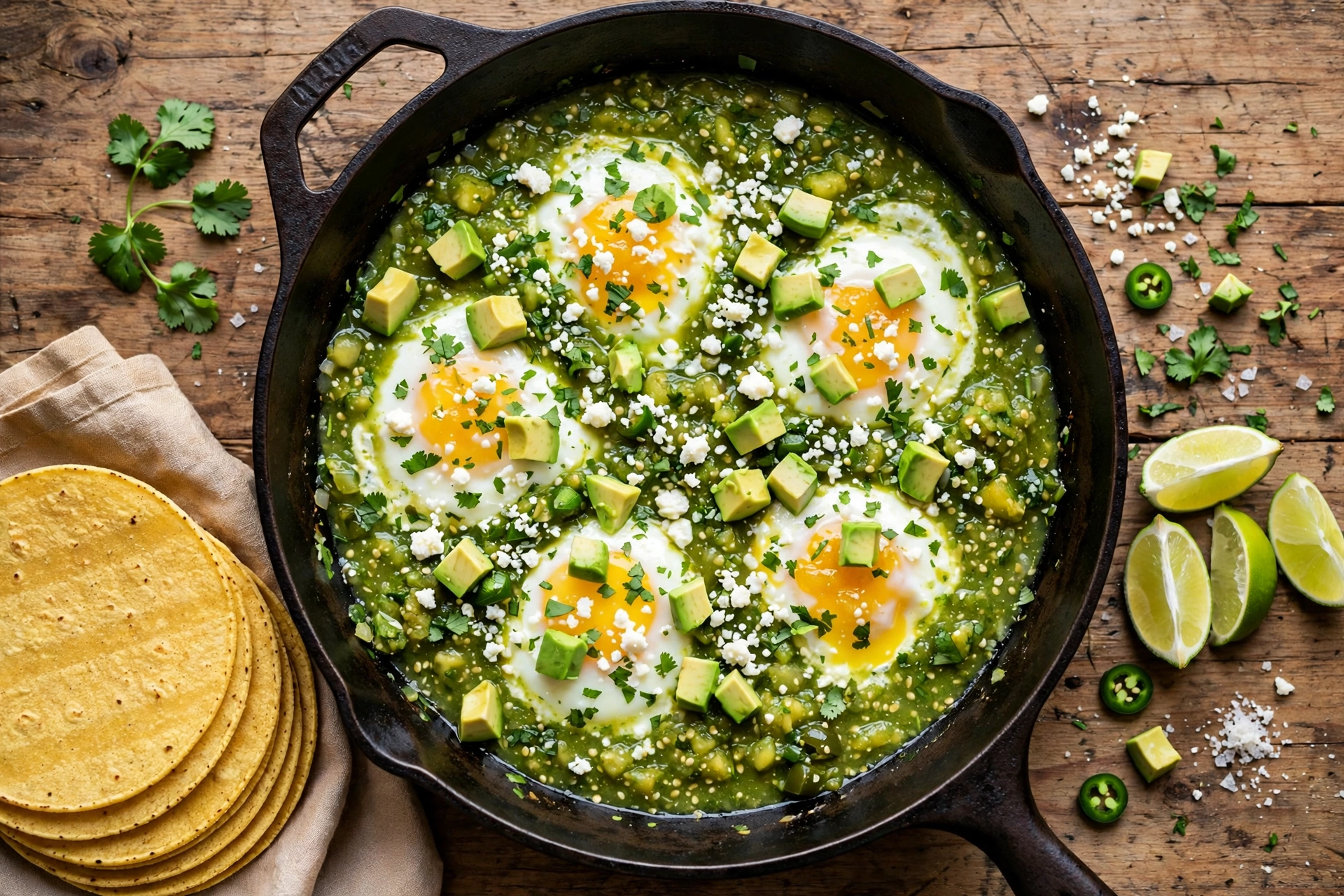
This huevos ahogados recipe is the green version of a Mexican classic. It is fast, filling, and naturally paleo and gluten-free. And the runny yolks mix into the salsa to make a sauce you will want to scoop up with warm corn tortillas. So make a big pan. Breakfast is ready in 35 minutes.
Why You’ll Love It
- A true Mexican breakfast classic. Huevos ahogados is the “drowned eggs” dish on Mexican tables all over Mexico — simple, hearty, and full of flavour.
- Ready in 35 minutes. The salsa blends in minutes, and the eggs poach while you warm the tortillas.
- Eggs in salsa, two ways to love. The whites turn tender in the sauce, and the jammy yolks melt into it when you break them open.
- Bright and tangy, not heavy. Roasted tomatillos and poblanos give the sauce a fresh green flavour that wakes you up.
- Naturally paleo and gluten-free. Eggs, tomatillos, and chiles — no flour, no sugar, nothing to swap out.
- Feeds four for pennies. Eight eggs, a pound of tomatillos, and a stack of tortillas make a full breakfast.
- One pan, easy cleanup. The salsa and the eggs cook in the same skillet, so the washing up is small.
What Are Huevos Ahogados?
In fact, huevos ahogados is Spanish for “drowned eggs.” It is a traditional Mexican breakfast of whole eggs poached in a simmering salsa. The eggs are not fried. They are not scrambled. They are gently lowered into hot sauce, covered, and left to cook until the whites set and the yolks stay soft.
In fact, the dish comes from central Mexico. Home cooks there make it on busy mornings, because it is fast and it uses what the kitchen already has: eggs, tomatoes or tomatillos, onion, garlic, and chiles. The sauce does the work. The eggs just swim in it.
Mexican drowned eggs are often confused with other egg breakfasts. Huevos rancheros are fried eggs served on tortillas with sauce around them. Huevos divorciados are two fried eggs split between a red salsa and a green salsa. Shakshuka is the Middle Eastern cousin — eggs poached in a spiced tomato and pepper sauce. Huevos ahogados is different from all of them. The eggs cook right in the sauce, and the sauce is thin enough to ladle into bowls like a soup.
The Salsa Verde Version
Most huevos ahogados recipes use a red salsa. Isabel Eats makes hers with toasted guajillo chiles and Roma tomatoes. This version goes green instead. The sauce starts with roasted tomatillos and roasted poblano chiles. It tastes bright and tangy, with a gentle smoky note from the roasting.
Why roast the vegetables first? Roasting does two things. First, it softens the tomatillos so they blend silky smooth. Second, it chars the skins of the poblanos and the tomatillos just a little, and that char adds a smoky depth that raw salsa verde never has. So the sauce tastes layered, not sharp.
A sprig of epazote simmers in the sauce while the eggs poach. Epazote is the classic Mexican herb for beans and eggs. It adds an earthy, slightly minty note that makes the sauce taste unmistakably Mexican. If you cannot find fresh epazote, leave it out — the sauce is still wonderful without it.
Ingredients
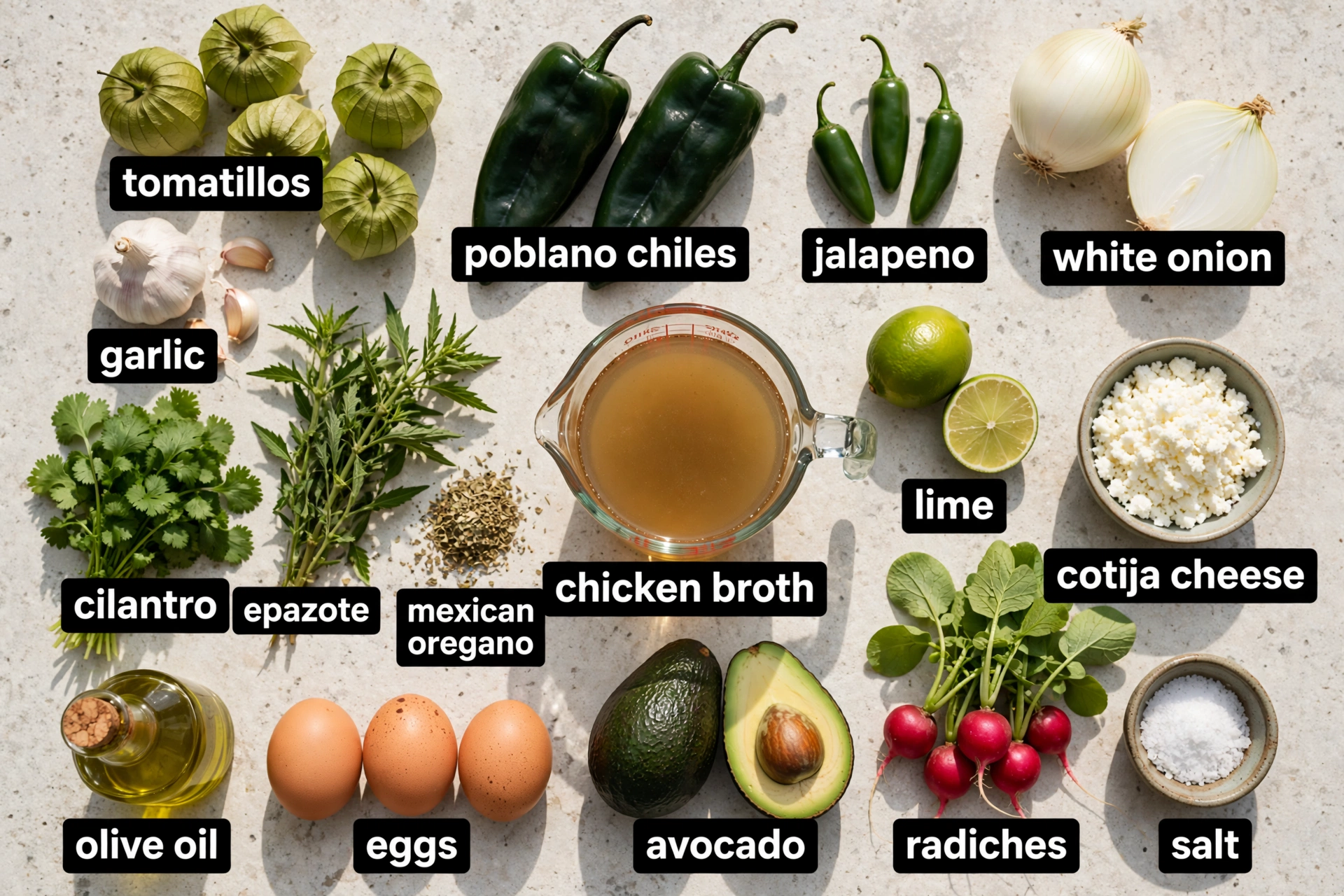
For the Salsa Verde:
Tomatillos — 1 pound, husked and rinsed (about 8 medium). Tomatillos are the star of salsa verde. They look like small green tomatoes in papery husks, but they taste tart and citrusy. Husk them and rinse off the sticky coating before roasting. If tomatillos are out of season, use 1 pound of green tomatoes instead — the sauce will be milder but still good.
Poblano chiles — 2, stemmed and halved. Poblanos add a mild, smoky warmth without real heat. Roasting them brings out their flavour and loosens the skins. For a spicier sauce, swap one poblano for 2 jalapeños. For no heat at all, use 1 green bell pepper instead.
Jalapeño — 1, stemmed (seeds in for heat, out for mild). Jalapeño adds the bright heat that balances the tart tomatillos. Keep the seeds in for a spicier sauce, or scrape them out for a gentle warmth. A serrano pepper works too, and it is hotter, so use half of one.
White onion — 1/2 large, roughly chopped. White onion gives the salsa its sweet, pungent base. It roasts with the tomatillos and blends right in. A yellow onion works too, and it tastes a little sweeter.
Garlic — 3 cloves. Garlic adds the savoury depth that rounds out the tomatillos. Three cloves gives a bold but not overpowering garlic note. Roast the cloves with the vegetables so they turn sweet and soft.
Fresh cilantro — 1 cup, stems and leaves. Cilantro brings the fresh, green note that makes salsa verde taste alive. Use the stems too — they hold just as much flavour as the leaves. If cilantro tastes soapy to you, use flat-leaf parsley instead.
For the Seasoning and Liquid:
Dried Mexican oregano — 1 teaspoon. Mexican oregano is earthier and more citrusy than the Mediterranean kind. It adds a herbal note that tastes unmistakably Mexican. Crush it between your palms as you add it to the blender.
Fresh epazote — 1 sprig (optional). Epazote is the classic Mexican herb for eggs and beans. It adds an earthy, slightly minty flavour that you will not get from any other herb. Use it if you can find it. If you cannot, the sauce is still delicious without it.
Chicken or vegetable broth — 1 cup. Broth thins the blended salsa to the right consistency. The sauce should pour like thin tomato soup, not sit like a thick dip. Chicken broth adds a deeper flavour. Vegetable broth keeps the dish vegetarian.
Olive oil — 2 tablespoons. Olive oil is what the salsa fries in, and it carries the flavour into the eggs. It also keeps the sauce from sticking to the pan. Any neutral oil works, but olive oil tastes best here.
Kosher salt — 1 teaspoon, plus more to taste. Salt is what makes the tomatillos and the eggs taste like themselves. Taste the sauce before the eggs go in, and add more a pinch at a time. The broth already has salt, so start small.
Lime juice — 1 tablespoon. Lime juice is the bright finish that balances the roasted vegetables. It goes into the blender with the salsa, so its fresh flavour runs through the whole sauce. Bottled lime juice is a poor substitute here.
For the Eggs and Toppings:
Large eggs — 8. Eggs are the heart of huevos ahogados. Eight eggs serve 4 people, with 2 eggs each — the standard Mexican serving. Use the freshest eggs you can find. Fresh eggs hold their shape better in the sauce, so the whites stay neat and the yolks stay whole.
Avocado — 1, diced. Diced avocado adds a creamy, cool contrast to the hot eggs and the tangy sauce. Add it at the table, not in the pan, so it stays fresh and green.
Crumbled cotija cheese — 1/2 cup. Cotija adds a salty, crumbly finish that melts just slightly into the hot sauce. Queso fresco works too. Leave it out for a dairy-free breakfast.
Diced white onion — 1/4 cup. Raw diced onion adds a sharp crunch on top of the soft eggs. It is the classic topping for Mexican egg dishes. Rinse the diced onion under cold water first to soften its bite.
Radishes — 2, thinly sliced. Sliced radishes add a crisp, peppery crunch and a pop of colour. They are optional, but they make every bowl look and taste brighter.
Chopped cilantro — 1/4 cup, for serving. A scatter of fresh cilantro on top adds colour and a fresh green note. Save some from the salsa for this.
Warm corn tortillas — 8. Warm corn tortillas are made for scooping up the eggs and the sauce. Flour tortillas work too, but corn tortillas taste more Mexican here. Warm them in a dry skillet or wrap them in a damp towel and microwave for 1 minute.
How to Make It
1 Step 1 — Roast the Tomatillos, Poblanos and Onion
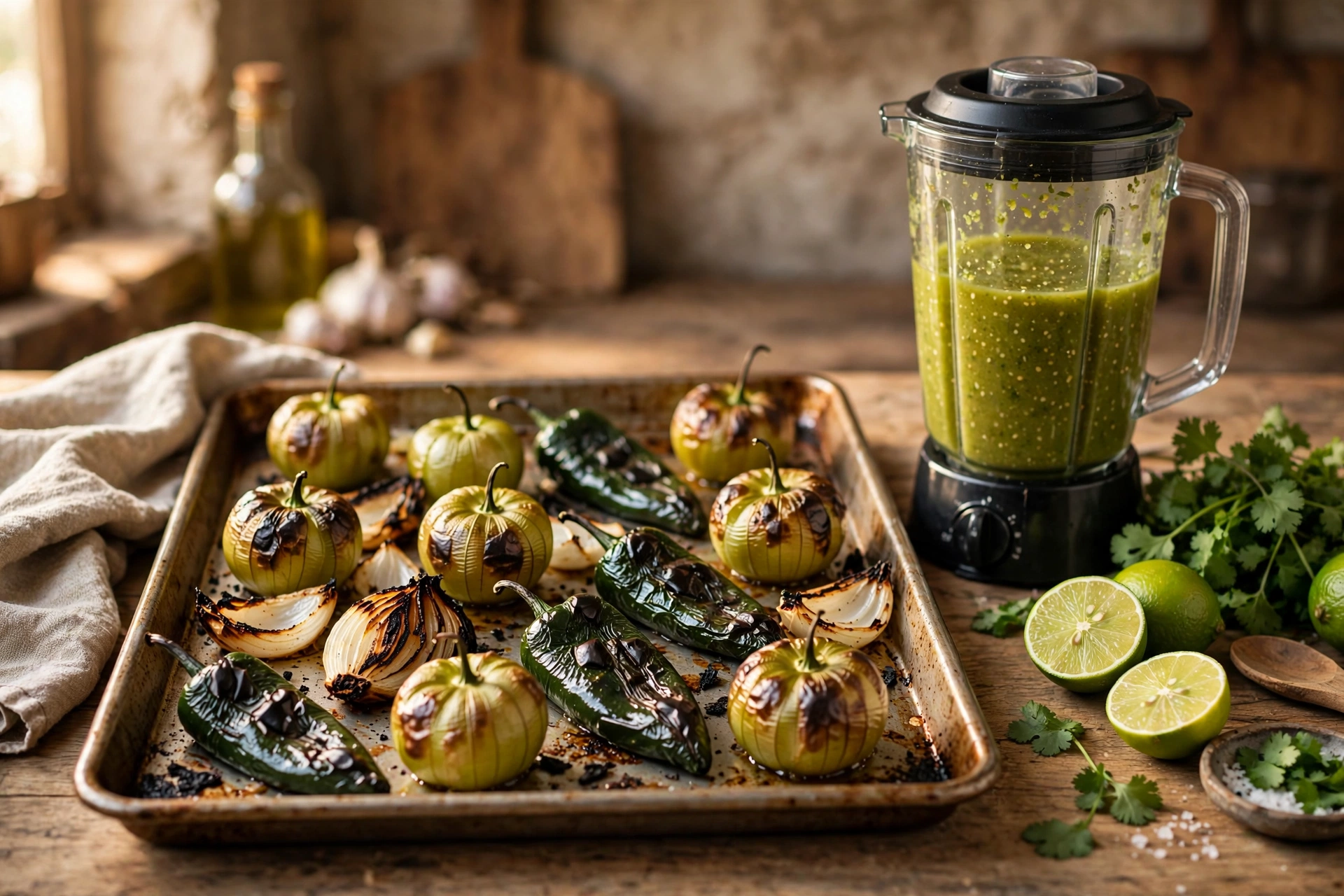
Heat the broiler to high, or heat a dry comal over medium-high heat. Place the tomatillos, poblano halves, jalapeño, onion, and garlic on a baking sheet or the comal. Roast for 8 to 10 minutes, turning once, until blistered and softened.
 2 Step 2 — Blend the Salsa Verde
Transfer the roasted vegetables to a blender. Add the cilantro, Mexican oregano, lime juice, and 1 cup of broth. Blend until smooth. Taste and add salt a pinch at a time.
3 Step 3 — Simmer the Sauce
Heat the olive oil in a large deep skillet over medium heat. Pour in the salsa — it will spit, so stand back. Fry for 5 minutes, stirring, until it darkens a shade. Then add the epazote sprig and a splash more broth if the sauce is too thick.
Poach and Serve:
 4 Step 4 — Crack in the Eggs and Poach
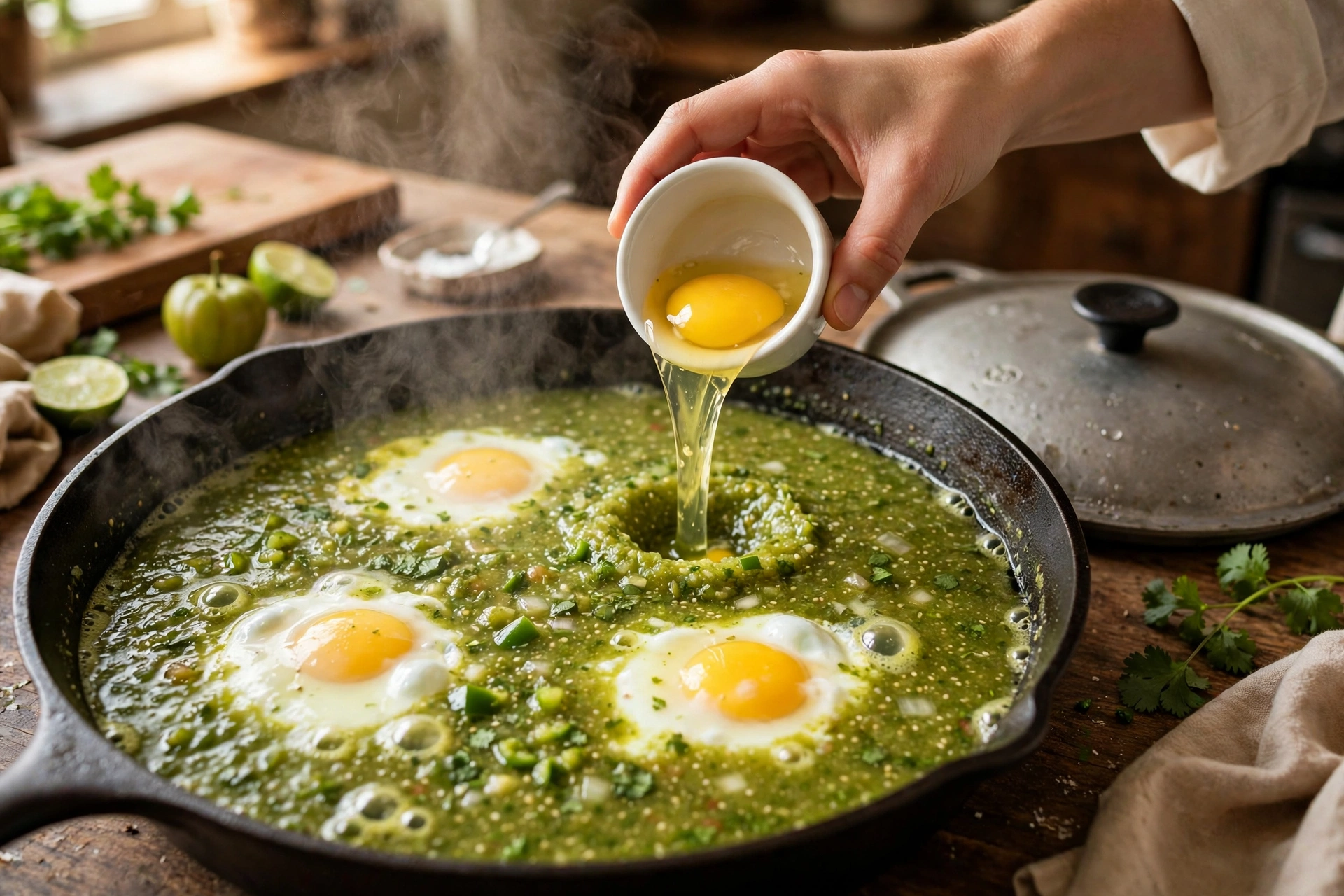
Lower the heat to a gentle simmer — small bubbles at the edges only. Make 8 small wells in the sauce with the back of a spoon. Crack each egg into a small cup first, then slide it gently into a well. Cover and cook 5 to 6 minutes for runny yolks, or 8 to 9 minutes for firm yolks. Do not stir.
5 Step 5 — Top and Serve at Once
Spoon 2 eggs and plenty of sauce into each bowl. Top with diced avocado, crumbled cotija, diced onion, sliced radishes, and chopped cilantro. Serve at once with warm corn tortillas for scooping.
Technique: How to Poach Eggs Without Breaking the Yolks
The difficult step in huevos ahogados is the eggs. The sauce is easy. The eggs are the part that can go wrong. A yolk can break, a white can spread across the whole pan, or the eggs can overcook while you are not looking. Three simple habits fix all of it.
First, the heat matters. The sauce must simmer gently, not boil. A rolling boil shakes the eggs apart and turns the whites ragged. A gentle simmer — small bubbles at the edges of the pan only — lets the whites set in neat rounds. So turn the heat down before the eggs go in. If you have a thermometer, aim for about 185 to 195°F (85 to 90°C).
Second, crack each egg into a small cup first. This does two things. It lets you check that the yolk is whole before it touches the sauce. And it lets you slide the egg in from just above the surface, instead of dropping it from a height. So the yolk never breaks on impact. Work one egg at a time, and make a little well in the sauce with the back of a spoon before each one goes in.
Third, do not touch the eggs for the first 2 minutes. The whites need time to set against the hot sauce. If you stir or nudge them too soon, they spread and tear. After 2 minutes, you can spoon a little hot sauce over any exposed white — but keep clear of the yolks. Then cover the pan and let the steam finish the job.
Yolk Timing in Detail
How long the eggs cook is a matter of taste, and the timing counts from when the last egg goes in. For runny yolks that spill golden into the sauce, cook 5 to 6 minutes covered. If you want jammy yolks that hold their shape but still feel soft, cook 7 to 8 minutes. For firm yolks all the way through, cook 9 to 10 minutes.
One more thing matters: the eggs keep cooking after you take the pan off the heat. The hot sauce holds its temperature for a while. So pull the pan off the heat a minute before the yolks look done, and serve at once. That minute of resting finishes them perfectly, and nobody gets an overcooked yolk.
Tips
- ✓ Roast the vegetables until blistered. A little char on the tomatillos and poblanos adds a smoky depth that raw salsa verde never has.
- ✓ Keep the sauce thin. The sauce should pour like thin tomato soup, about 2 cm deep in the pan. If it is too thick, the eggs sit on top instead of poaching in it.
- ✓ Use fresh eggs. Fresh eggs hold their shape in the sauce. Older eggs spread out, and the whites turn wispy.
- ✓ Crack each egg into a cup first. It takes a few extra seconds, and it is the best insurance against a broken yolk.
- ✓ Turn the heat down before the eggs go in. A gentle simmer sets neat whites. A rolling boil tears them apart.
- ✓ Do not stir for the first 2 minutes. Let the whites set undisturbed, then baste them with hot sauce if needed.
Variations
This huevos ahogados is easy to shape around your table, and the base stays the same.
- Red salsa version. Swap the tomatillos and poblanos for 5 Roma tomatoes and 4 toasted guajillo chiles, blended with onion and garlic. That is the classic red version, and it tastes smoky and rich.
- With nopales. Stir 1 cup of cooked, diced nopales into the sauce before the eggs go in. They add a fresh, slightly tart crunch that is very Mexican.
- With chorizo. Brown 1/2 pound of Mexican chorizo first, remove it, and fry the salsa in the chorizo fat. Stir the chorizo back in with the eggs.
- With black beans. Spoon 1 cup of warm black beans into the bowls under the eggs. The beans turn breakfast into a full, filling meal.
- Spicier. Add 2 dried árbol chiles to the roasting pan with the vegetables, or keep the jalapeño seeds in. The sauce turns hot without losing its green flavour.
- Dairy-free as written. Skip the cotija, and the dish is already dairy-free, paleo, and gluten-free.
What to Serve With
What to serve with huevos ahogados? Start with warm corn tortillas. They are made for scooping up the eggs and the sauce, and a stack on the table turns a simple pan into a full Mexican breakfast. For a bigger spread, add a plate of Frijoles Charros beside the skillet — the smoky beans and the tangy eggs balance each other beautifully.
On a weekend brunch table, serve huevos ahogados first, then Chilaquiles as the second act. The crispy tortilla chips in salsa and the soft poached eggs are the two great Mexican egg dishes, and together they make a brunch worth waking up for. And on a lighter morning, set out Guacamole and Salsa Macha on the side — the creamy avocado and the crunchy salsa give everyone something to scoop with their tortillas.
For a full breakfast, add fresh fruit and Mexican coffee, or a glass of orange juice. And always put extra lime wedges and chopped cilantro on the table, so everyone seasons their own bowl.
Storage
Huevos ahogados is best eaten fresh, straight from the pan. The eggs are at their best in the first few minutes, when the yolks are still jammy and the sauce is hot. So cook it when everyone is ready to sit down.
Can you store huevos ahogados? The sauce keeps well on its own. Let it cool, then store it in a covered container in the refrigerator for up to 5 days, or freeze it for up to 3 months. Reheat it gently on the stove, add a splash of broth to loosen it, and then poach fresh eggs in it. The cooked eggs do not reheat well — the yolks turn firm and rubbery. So always poach fresh eggs in the reheated sauce.
Frequently Asked Questions
What are huevos ahogados?
Huevos ahogados means “drowned eggs” in Spanish. It is a traditional Mexican breakfast of whole eggs poached in a simmering salsa — either red salsa or green salsa verde — then served in bowls with warm corn tortillas for scooping.
How to make huevos ahogados?
To make huevos ahogados, roast 1 pound of tomatillos, 2 poblanos, 1 jalapeño, half an onion, and 3 garlic cloves until blistered. Blend them with fresh cilantro, Mexican oregano, lime juice, and 1 cup of broth until smooth. Fry the salsa in olive oil for 5 minutes. Then lower the heat to a gentle simmer, make 8 small wells in the sauce, crack each egg into a cup first, slide it into a well, and cover the pan. Cook for 5 to 6 minutes for runny yolks, or 8 to 9 minutes for firm yolks.
Is huevos ahogados salsa verde different from the red version?
Yes. The red version uses guajillo chiles and Roma tomatoes, and it tastes smoky and rich. The green version uses tomatillos and poblanos, and it tastes bright and tangy. Both use the same method — roast, blend, fry, poach.
More Questions About Huevos Ahogados
Are huevos ahogados healthy?
Yes. Huevos ahogados is naturally high in protein — about 16 grams of protein per 2-egg serving — and it is naturally paleo and gluten-free. The salsa is mostly vegetables, and the fat comes from the eggs, the avocado, and a little olive oil. Skip the cotija if you want it dairy-free too.
What is the difference between huevos ahogados and shakshuka?
Shakshuka is a Middle Eastern and North African dish of eggs poached in a spiced tomato and bell pepper sauce, served with bread. Huevos ahogados is a Mexican dish of eggs poached in a tomatillo or tomato and chile salsa with Mexican oregano and epazote, served with warm corn tortillas. Both poach eggs in sauce, but the flavour of the sauce — and the table it is served at — is completely different.
Can you make huevos ahogados ahead of time?
You can make the sauce ahead of time. It keeps in the refrigerator for up to 5 days, or in the freezer for up to 3 months. Reheat it gently with a splash of broth, then poach fresh eggs in it. The eggs themselves do not keep well — always poach them fresh.
What to serve with huevos ahogados?
Warm corn tortillas come first — they are made for scooping. Add frijoles charros for a fuller plate, chilaquiles if you are building a brunch table, and guacamole and salsa macha for scooping. Fresh fruit and Mexican coffee round out the meal, and always put lime wedges and extra cilantro on the table.
Try These Next
If you loved these Mexican drowned eggs, try these recipes next:
Chilaquiles — crispy tortilla chips simmered in salsa with cheese and crema, the other great Mexican egg breakfast.
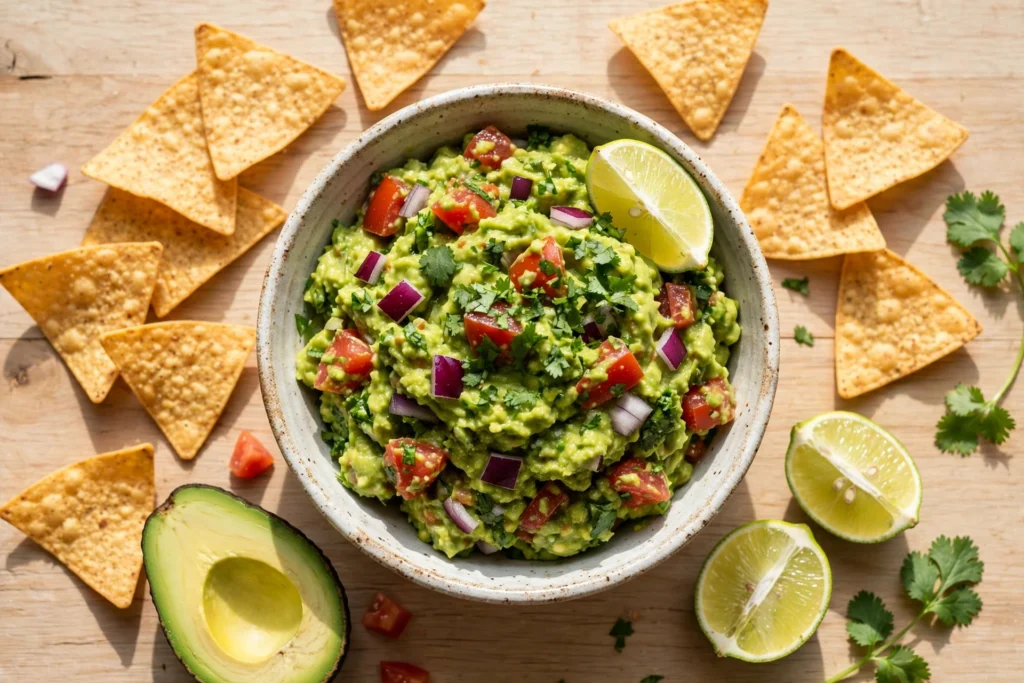
Guacamole Recipe — fresh chunky guacamole with 3 ripe avocados, lime and cilantro, ready in 15 minutes.
Salsa Macha — crunchy salsa macha with smoky chiles, peanuts and sesame in golden oil, perfect on eggs.
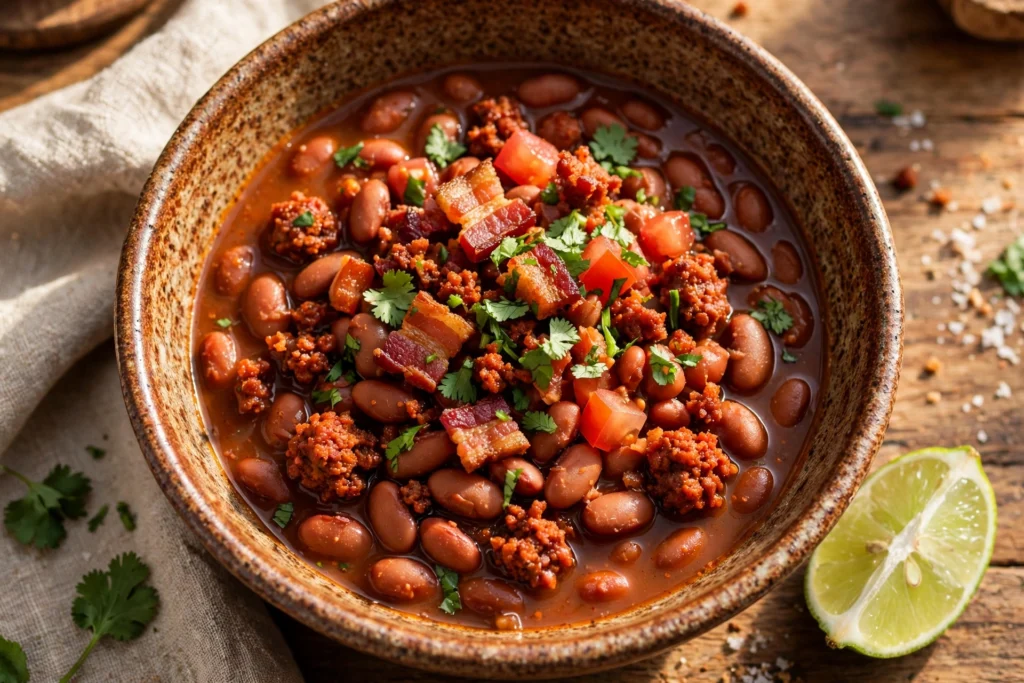
Frijoles Charros — smoky Mexican cowboy beans with bacon and chiles, wonderful beside a pan of huevos ahogados.
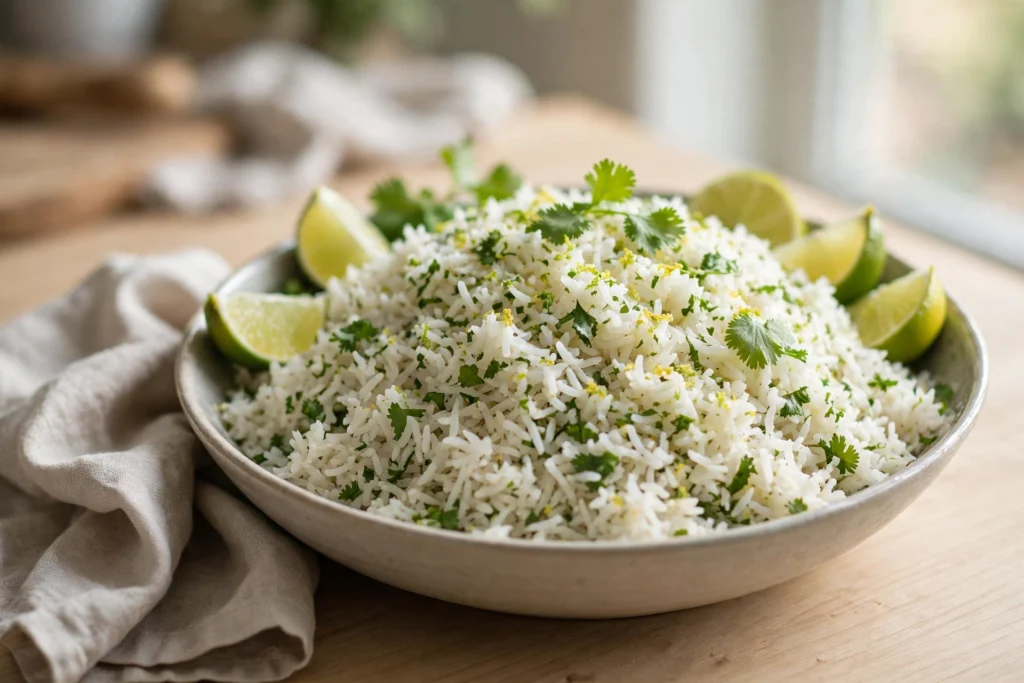
Cilantro Lime Rice — fluffy lime rice with cilantro, a bright side for a Mexican breakfast table.
Papas con Chorizo (Mexican Potatoes with Chorizo)
Huevos Ahogados (Mexican Drowned Eggs in Salsa Verde)
Ingredients
Equipment
Method
- Heat the broiler to high, or heat a dry comal over medium-high heat; roast the tomatillos, poblano halves, jalapeño, onion, and garlic for 8 to 10 minutes, turning once, until blistered and softened.
- Transfer the roasted vegetables to a blender; add the cilantro, Mexican oregano, lime juice, and 1 cup of broth and blend until smooth; taste and add salt a pinch at a time.
- Heat the olive oil in a large deep skillet over medium heat; pour in the salsa, fry for 5 minutes, stirring, until it darkens a shade; add the epazote sprig and a splash more broth if the sauce is too thick.
- Lower the heat to a gentle simmer; make 8 small wells in the sauce with the back of a spoon; crack each egg into a small cup first, then slide it gently into a well; cover and cook 5 to 6 minutes for runny yolks, or 8 to 9 minutes for firm yolks; do not stir.
- Spoon 2 eggs and plenty of sauce into each bowl; top with diced avocado, crumbled cotija, diced onion, sliced radishes, and chopped cilantro; serve at once with warm corn tortillas.