
If there is one pork dish every Mexican kitchen knows by heart, it is carnitas. These carnitas are exactly that — pork shoulder braised low and slow in orange juice, milk, garlic and warm spices until it falls apart with a fork. Then it is crisped at the edges until it turns golden and caramelised. Juicy inside, crackly at the edges, and rich with citrus and spice.
The best part is how little work it takes. Twenty minutes of cutting and seasoning, then the oven does everything for three and a half hours while your house fills with the smell of oranges and slow-cooked pork.
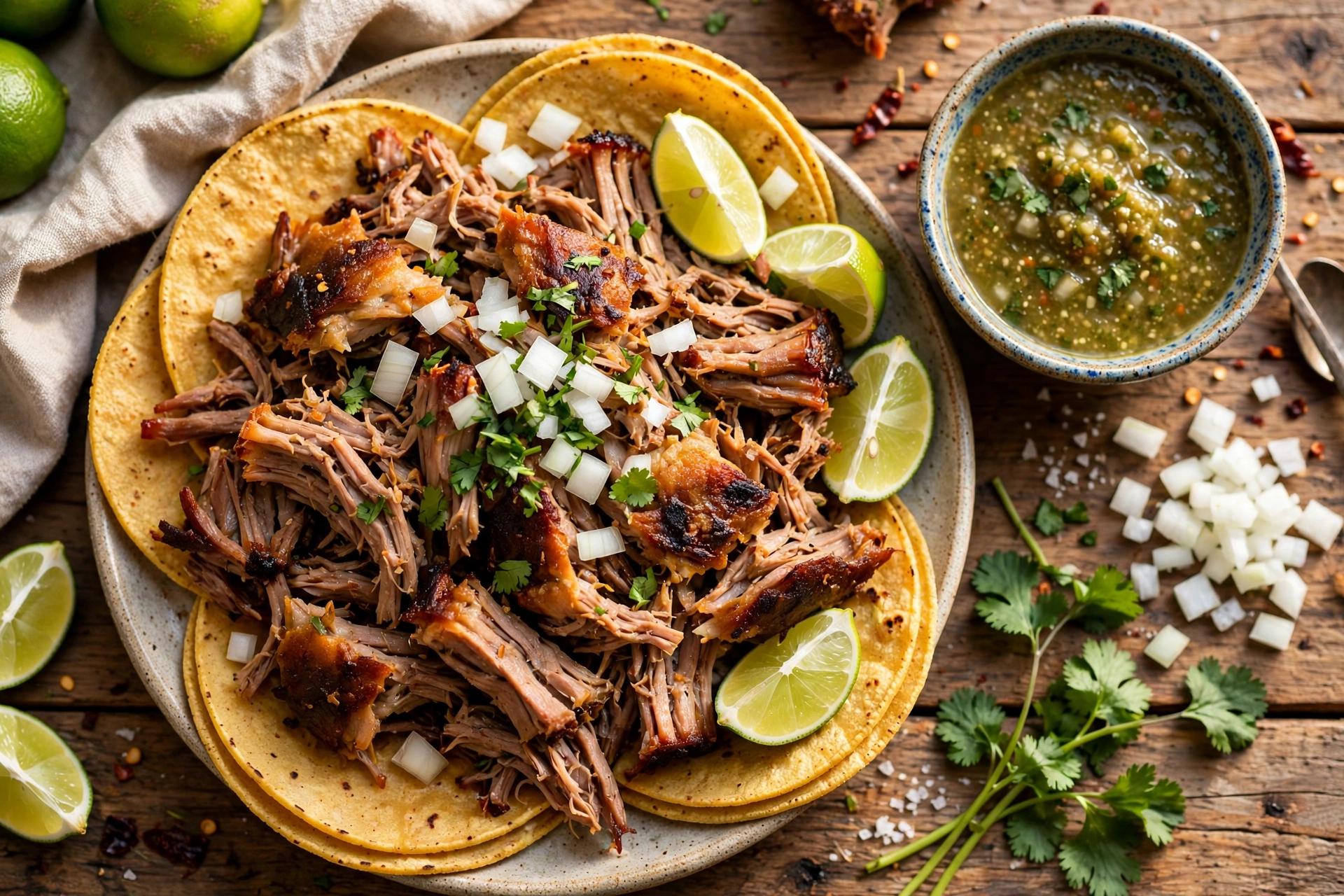
Make a batch for taco night and watch it disappear. If you love the carnitas tacos served in Mexican taquerias, this Mexican carnitas recipe will become the one you make again and again.
Why You’ll Love It
- A Mexican classic. Carnitas are the slow-cooked pork of Michoacán, Mexico — the pork that fills tacos, burritos, tortas and bowls all over the country, and the dish Mexican families make for celebrations and weekends.
- Mostly hands-off. Twenty minutes of prep, then the oven braises the pork for three and a half hours with almost no attention from you.
- Juicy AND crispy. The milk-and-orange braise keeps the pork tender, and the final crisping gives you the golden, caramelised edges that make carnitas famous.
- Feeds a crowd. One pork shoulder makes 8 generous servings — enough for a taco night with leftovers for the next day.
- Endlessly useful. Serve carnitas in tacos tonight, then use the leftovers in burritos, quesadillas, nachos and rice bowls all week.
- Freezer-friendly. Carnitas freeze beautifully in their cooking juices, so a big batch is never wasted — see the Storage section below.
- Simple pantry spices. Cumin, chili powder, oregano, garlic and onion — the spices you already have — plus oranges, limes and milk.
What Are Carnitas?
Carnitas means “little meats” in Spanish, and the name fits: this is Mexico’s version of pulled pork, made by braising pork shoulder in a flavourful liquid until it is so tender it shreds with a fork, then crisping the shreds until the edges turn golden.
The dish comes from Michoacán, a state in western Mexico. There, carnitas are traditionally cooked slowly in lard in a big copper pot. This version keeps the spirit of that method — a long, gentle braise, then a hot, fast crisping — without the gallons of lard. The pork braises in orange juice, milk, chicken broth, onion, garlic, jalapeño and bay leaves, and the milk is the old Michoacán trick: it tenderises the meat, softens the citrus, and helps the pork caramelise.
Carnitas are not the same as pulled pork: pulled pork is smoked or roasted and served in a barbecue sauce, while carnitas are braised in citrus and spices with no sauce, and the crisping gives every bite two textures — soft, juicy shreds and crackly, golden edges.
Ingredients
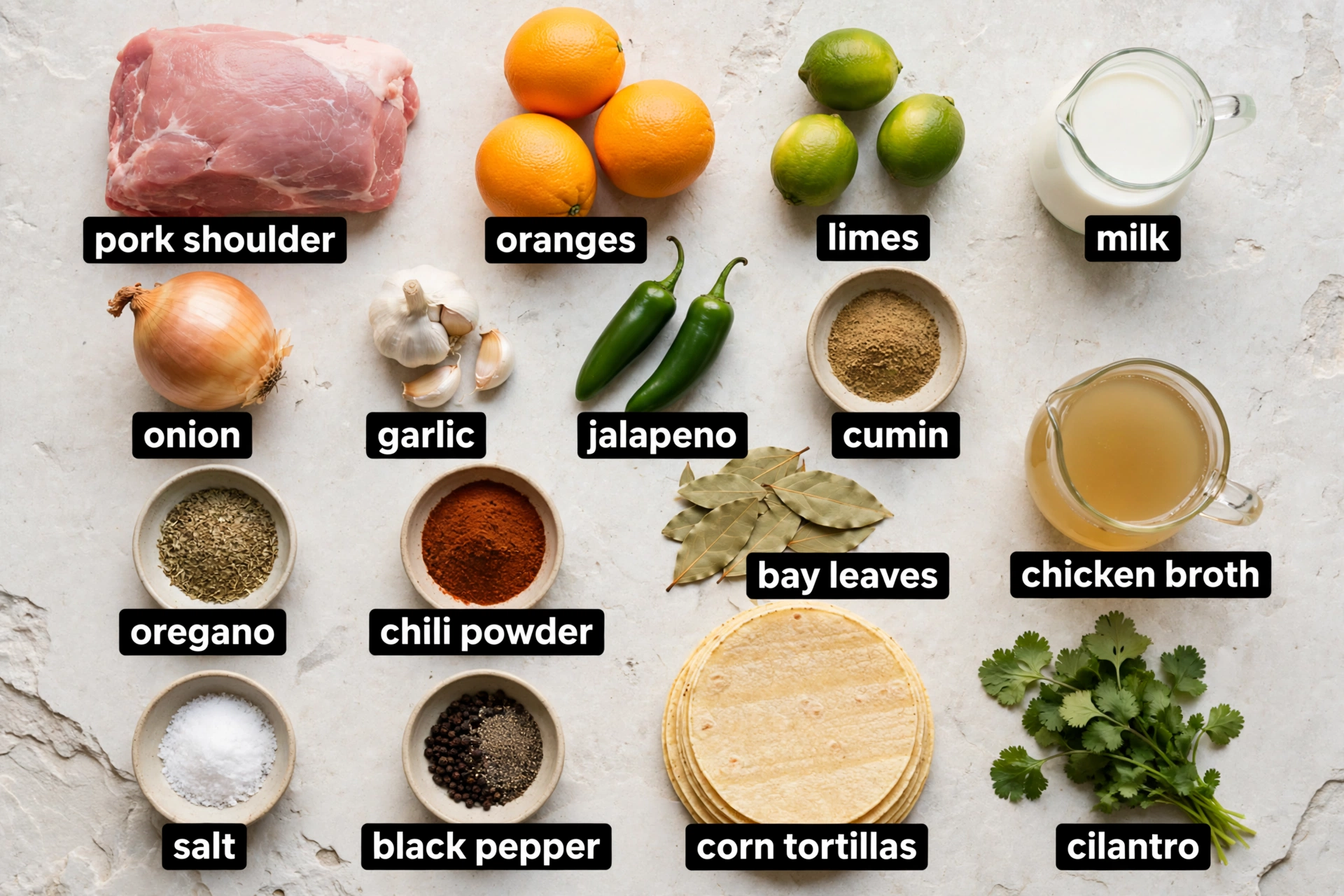
For the Carnitas
- Boneless pork shoulder — 3 1/2 to 4 pounds, cut into 4-inch chunks. Pork shoulder, also sold as pork butt or Boston butt, is the only cut that makes proper carnitas. It has enough fat marbled through the meat to stay juicy through a three-hour braise, and that fat is what turns golden and crisp at the end. A lean cut like pork loin will dry out — do not use it here. Bone-in shoulder works too; just pull the bone out before shredding.
- Kosher salt — 2 teaspoons. Salt is the first seasoning the pork meets, and it does more than flavour the meat — it helps the pork hold on to its juices through the long cook.
- Ground cumin — 2 teaspoons. Cumin gives carnitas their warm, earthy note — the flavour that tastes unmistakably Mexican. It goes into the spice rub so it coats every piece of pork before the braise begins.
- Chili powder — 2 teaspoons. Chili powder adds a gentle warmth and a deep brick-red colour to the rub. It is mild, not hot — the kind of warmth everyone at the table can eat. If you want more heat, the jalapeño in the braise (below) is where it comes from.
- Garlic powder — 1 teaspoon. Garlic powder spreads evenly through the rub and flavours the pork from the outside in, without the risk of fresh garlic burning. Fresh garlic joins the braise separately, so the pork gets garlic two ways.
- Onion powder — 1 teaspoon. Onion powder adds a sweet, savoury depth to the rub and rounds out the spices as it cooks.
- Dried oregano — 2 teaspoons, Mexican oregano preferred. Oregano is the herbal note in carnitas, and Mexican oregano — which is earthier and more citrusy than the Mediterranean kind — is the traditional choice. Mediterranean oregano works if that is what you have; use the same amount.
- Black pepper — 1 teaspoon, freshly ground. Black pepper adds a little bite behind the warm spices. Freshly ground is worth it here, because the rub is the only seasoning the pork gets before hours in the pot.
Aromatics
- Yellow onion — 1, quartered. The onion goes into the braising liquid, not the rub, and it melts down over three hours into the sweetest part of the sauce. It flavours the pork from the inside out and keeps the braise savoury rather than just citrusy.
- Garlic — 6 cloves, smashed. Smashed garlic cloves go into the pot whole, so they soften slowly and perfume the braising liquid. Fish them out before shredding.
- Jalapeño — 1, halved and seeded (optional). The jalapeño adds a gentle, green heat to the braise. Seeded and halved, it is mild. Leave it out for a no-heat version, or leave the seeds in if you like it hot.
The Braising Liquid
- Orange juice — 3/4 cup, from 2 oranges, plus the squeezed halves. Fresh orange juice is the secret ingredient in carnitas — its sweetness and acidity tenderise the pork and balance the richness of the fat, and it is what gives the meat its golden colour. Bottled orange juice works in a pinch, but fresh is noticeably better.
- Lime juice — 1/4 cup, from 2 limes. Lime juice is the bright, sharp note beside the sweet orange — it keeps the carnitas from tasting heavy and adds the citrus kick that makes the pork taste Mexican. Fresh limes only; bottled lime juice tastes flat here.
- Whole milk — 1 cup. Milk is the traditional Michoacán touch that sets this carnitas recipe apart. It tenderises the pork, softens the citrus so the braise never tastes sour, and helps the shredded meat caramelise to a deep golden brown when it is crisped. Use whole milk, not skimmed, because the fat is part of the magic.
- Chicken broth — 1 cup. Chicken broth is the savoury base of the braising liquid, making sure there is enough liquid for a three-hour braise without the pot running dry.
- Bay leaves — 2. Bay leaves add a quiet, herbal depth to the braise. Fish them out before shredding, along with the cinnamon stick if you use one.
- Cinnamon stick — 1 small (optional). A small cinnamon stick is a traditional Michoacán addition that adds a warm, almost sweet note to the braise. Leave it out if you do not have one.
To Serve
- Corn tortillas — warmed. Warm corn tortillas are the classic way to serve carnitas — soft, a little charred at the edges, and sturdy enough to hold the juicy pork. Warm them in a dry skillet for 30 seconds per side, or straight over a gas flame for a few seconds.
- White onion — 1/2, finely diced. Diced white onion is the crisp, sharp topping that belongs on carnitas tacos. It cuts through the richness of the pork and adds crunch to every bite.
- Fresh cilantro — 1/2 cup, chopped. Cilantro is the fresh, green finish scattered over the finished carnitas. If cilantro is not your thing, leave it off.
- Lime wedges — 2 limes, cut into wedges. A squeeze of lime over the hot carnitas wakes up every flavour on the plate.
- Salsa — to serve. A spoonful of red salsa or salsa verde on the side adds the tomatoey heat that carnitas tacos are made for.
How to Make It
Step 1 — Cut and Season the Pork
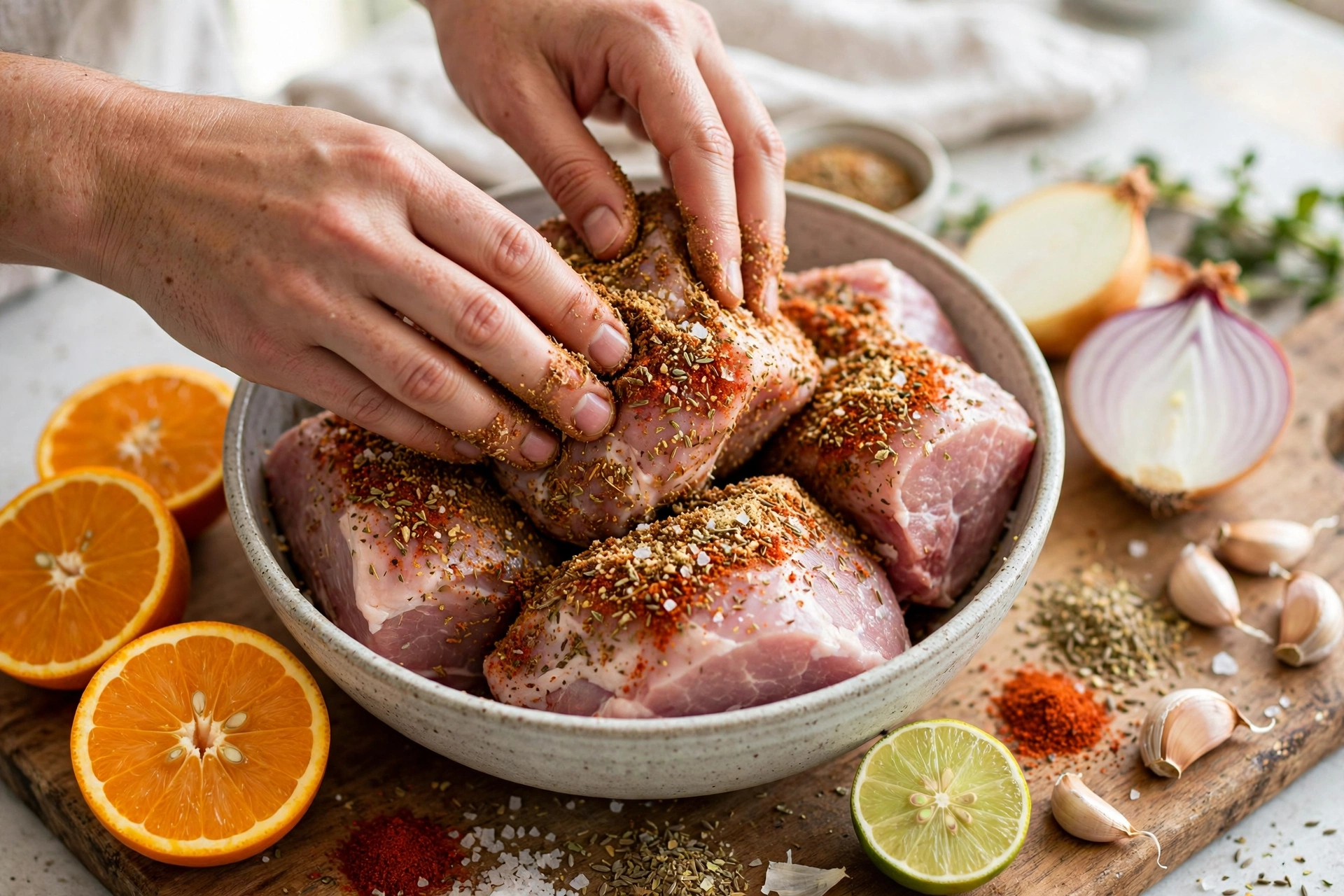
Cut the pork shoulder into large 4-inch chunks and pat them dry. Mix the salt, cumin, chili powder, garlic powder, onion powder, oregano and black pepper in a small bowl, then rub the spice mix all over the pork on every side until each piece is fully coated.
Step 2 — Build the Braise
Place the seasoned pork in a large Dutch oven. Tuck the quartered onion, smashed garlic, jalapeño halves, bay leaves and cinnamon stick (if using) around the meat, then pour in the orange juice, lime juice, milk and chicken broth. Toss the squeezed orange halves into the pot too.
Step 3 — Braise Low and Slow
Put the lid on and braise in a 325°F oven for 3 to 3 1/2 hours, until the pork is fall-apart tender and shreds easily with a fork. For slow cooker carnitas, cook on low for 8 to 10 hours or on high for 5 to 6 hours instead.
Shred, Crisp and Serve:
Step 4 — Shred the Pork
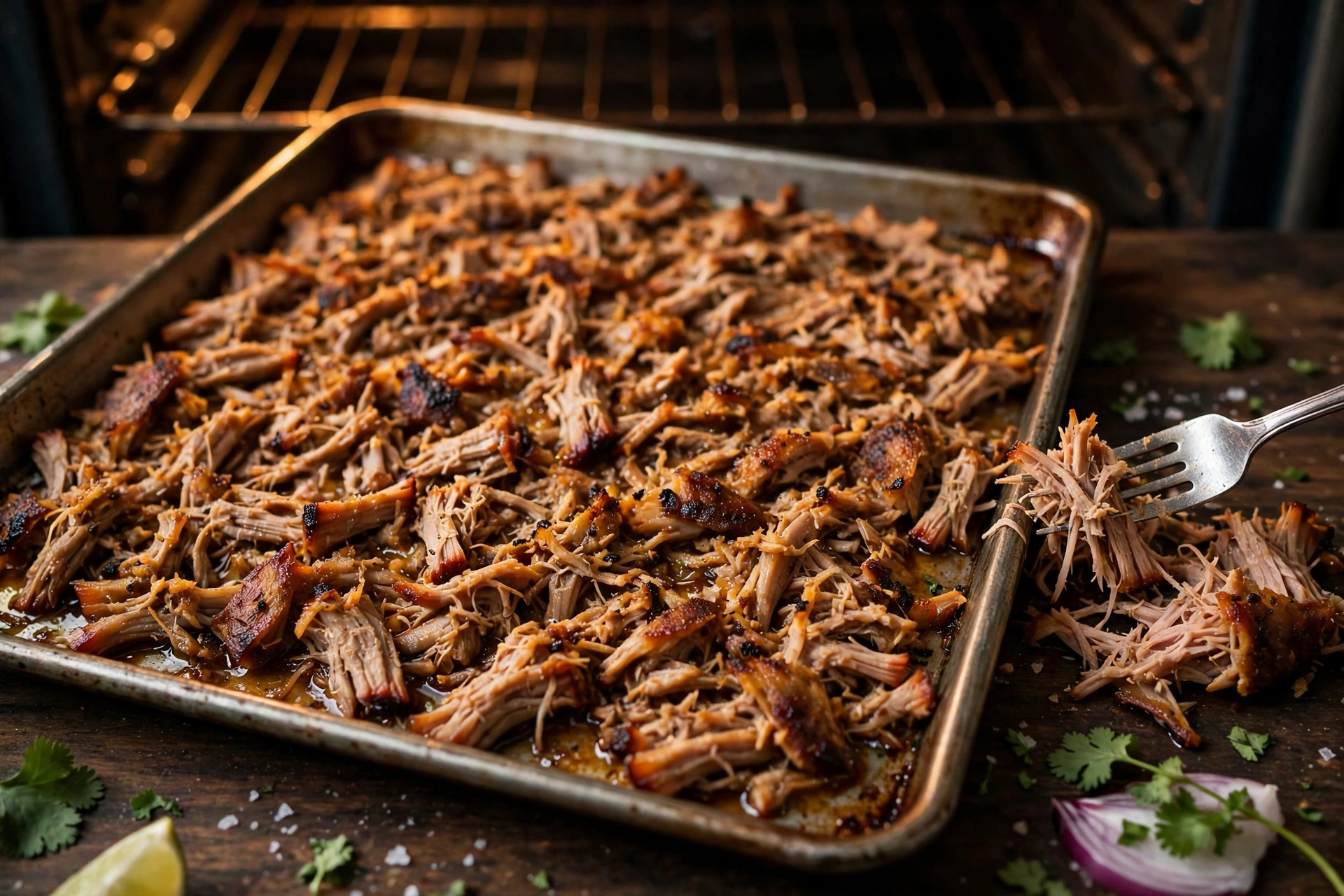
Lift the pork out with a slotted spoon onto a large rimmed baking sheet, leaving the cooking liquid in the pot. Pull out the bay leaves, cinnamon stick and orange halves, then shred the pork with two forks into bite-size pieces — it should fall apart with almost no effort.
Step 5 — Crisp the Carnitas
Spread the shredded pork in a single layer and drizzle about 1/2 cup of the cooking liquid over the top. Broil on high for 8 to 10 minutes, stirring halfway, until the edges are golden and crispy. Or crisp it in a hot, oiled skillet in batches, letting each batch sit undisturbed until the bottom turns golden.
Step 6 — Serve in Tacos
Pile the hot carnitas into warm corn tortillas and top with diced white onion, chopped cilantro and a squeeze of lime. Serve at once, with salsa on the side, while the crispy edges are still crackling.
Technique: Slow Cooker Carnitas With Milk and Orange — and How to Make Carnitas Crispy
Two things decide whether carnitas turn out juicy with golden, crackly edges or dry and stringy: the braise, and the crisping. Get those two right and everything else is easy.
The Braise
First, the braise. The pork must cook low and slow, covered, in enough liquid to keep it submerged about halfway — never boil it hard, and never let the pot run dry. A 325°F oven with the lid on is the sweet spot. The liquid simmers gently and the fat renders slowly. The pork turns fall-apart tender in three to three and a half hours.
The milk and orange are what make this braise different. The orange juice tenderises the pork and gives it colour; the milk softens the citrus so the braise never tastes sour, and its sugars help the shredded meat caramelise to a deep golden brown under the broiler. Do not worry if the milk looks curdled in the pot — that is normal, and it cooks into the juices. Fish out the bay leaves, cinnamon stick and orange halves before shredding.
The Crisping
Second, the crisping — the step that turns pulled pork into carnitas. Spread the shredded pork in a single layer on a rimmed baking sheet. Drizzle about half a cup of the cooking liquid over the top. Broil on high for 8 to 10 minutes, stirring once halfway through. The liquid is the key: it keeps the pork moist while the edges crisp, so you get golden, crackly bits and soft, juicy shreds in the same bite. Watch it closely in the last two minutes — carnitas go from golden to burnt fast under a broiler.
The skillet method gives you even more control. Heat a tablespoon of oil in a large skillet over high heat, spread the pork in a thin layer, drizzle over a little of the juices, and leave it alone until the bottom turns golden brown and crusty. Flip it once, sear the other side briefly, and take it out — do not brown it all over, or you lose the soft, juicy shreds. Work in batches and never crowd the pan: crowded carnitas steam instead of crisping.
Tips
- Cut the pork into big chunks. Four-inch pieces stay juicy through a three-hour braise. Small pieces dry out, and one whole roast cooks unevenly.
- Pat the pork dry before seasoning. Dry meat takes the spice rub properly, and the rub stays on the pork instead of sliding off into the pot.
- Do not skip the milk. It is the traditional Michoacán touch — it tenderises the pork and helps the edges caramelise. Curdled-looking milk in the pot is normal.
- Keep the cooking liquid. The braising juices are liquid gold: drizzle them over the shredded pork before crisping, and save the rest for storing and reheating the leftovers.
- Crisp in a single layer. Crowded carnitas steam instead of crisping. Use a big baking sheet or crisp in batches in a skillet.
- Watch the broiler. Carnitas go from golden to burnt in under a minute at the end. Stay by the oven for the last two minutes and stir halfway.
- Serve them right away. Carnitas are at their best in the first few minutes after crisping, while the edges are still crackling. Have the tortillas warm and the toppings ready before they come out.
Variations
These carnitas are easy to shape around your family, and the base stays the same.
- Crispy carnitas tacos. The classic way to serve them — warm corn tortillas, diced white onion, cilantro and lime. Add salsa verde or red salsa and you have the tacos Mexican taquerias are famous for.
- Carnitas burritos and bowls. Spoon the pork into a big flour tortilla with rice and beans for a burrito, or over rice with beans, corn and salsa for a carnitas bowl.
- Carnitas nachos and quesadillas. Scatter the pork over tortilla chips with cheese and jalapeños for nachos, or fold it into a quesadilla with Monterey Jack.
- Spicier. Leave the seeds in the jalapeño, or add a chipotle in adobo to the braise for a smoky, spicy version.
- Without milk. If you cannot use milk, leave it out and add an extra 1/2 cup of chicken broth. The carnitas will still be tender and delicious, just a little less caramelised at the edges.
- In the Instant Pot. Add everything to the pot with an extra cup of broth, pressure cook on high for 50 minutes, then shred and crisp as in Step 5.
What to Serve With
Carnitas are the main event, but a few simple things beside them turn taco night into a proper Mexican table. Warm corn tortillas are first — soft, a little charred, and ready to hold the juicy pork — with diced white onion, cilantro and lime wedges on the table.
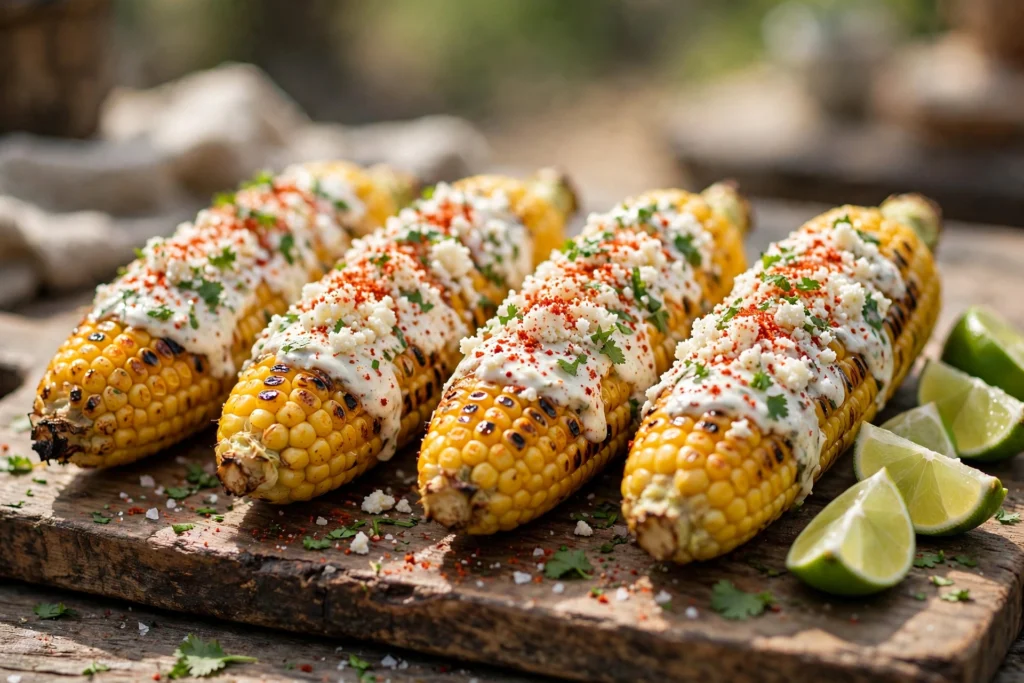
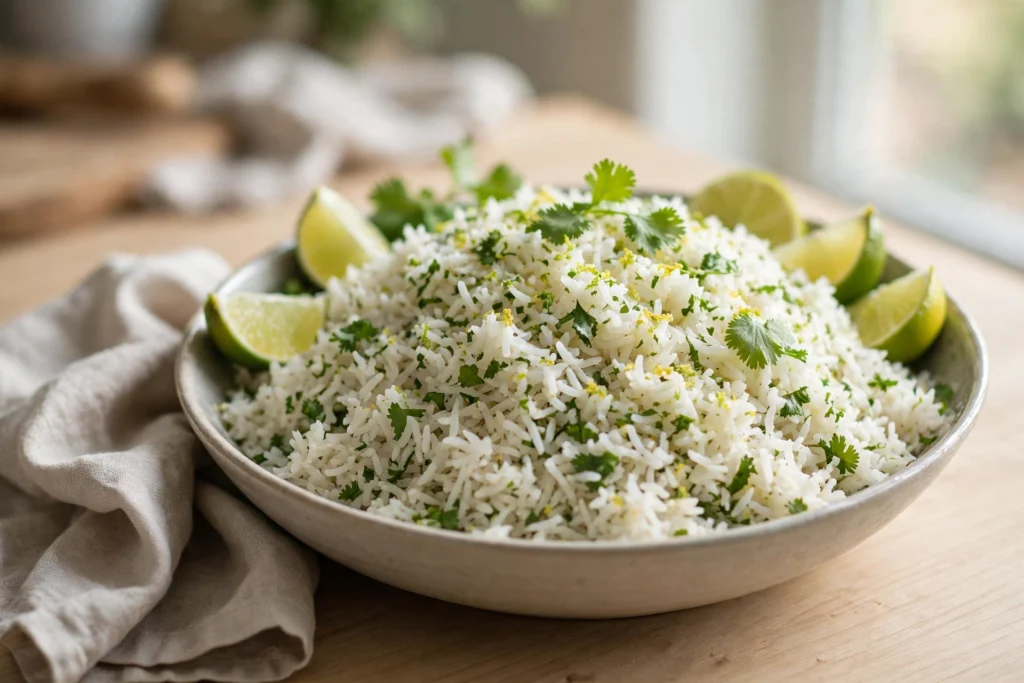
Serve them beside Cilantro Lime Rice for a fuller plate — the bright lime in the rice is perfect against the rich, crispy pork. For the classic taco-night sides, Frijoles Charros — smoky Mexican cowboy beans — and Rajas con Crema — creamy roasted poblanos — both belong on the same table as carnitas. And for a second dish that loves the same toppings, Mexican Street Corn — sweet corn with lime, cheese and chili — is the perfect partner for a plate of carnitas tacos.
Storage
Let the carnitas cool before moving them to an airtight container — and always store them WITH some of their cooking liquid. The liquid is what keeps the pork moist in the fridge; carnitas stored dry turn stringy when reheated.
They keep in the refrigerator for 4 to 5 days. To reheat, warm them gently in a skillet over medium heat with a splash of the reserved cooking liquid, letting the edges crisp up again as the liquid evaporates. The microwave will warm them through, but it makes the crispy edges soft.
For longer storage, freeze the carnitas for up to 3 months. Cool them completely first. Then pack them into freezer bags or containers with a ladleful of the cooking liquid in each one. The liquid protects the meat and keeps it juicy when it thaws. Thaw overnight in the refrigerator, then reheat in a skillet with the liquid, crisping the edges again as it warms.
Frequently Asked Questions
What are carnitas?
Carnitas are Mexico’s version of pulled pork — pork shoulder braised low and slow until it falls apart, then crisped at the edges until golden. The name means “little meats” in Spanish, and the dish comes from Michoacán, Mexico. Carnitas are served in tacos, burritos, tortas, nachos and bowls.
How do you make carnitas crispy?
Shred the braised pork, spread it in a single layer on a rimmed baking sheet, drizzle about 1/2 cup of the cooking liquid over the top, and broil on high for 8 to 10 minutes, stirring halfway, until the edges turn golden. The cooking liquid keeps the pork moist while the edges crisp. The skillet method works too: spread the pork in a hot, oiled skillet and leave it undisturbed until the bottom turns golden and crusty.
Can you make carnitas in a slow cooker?
Yes — slow cooker carnitas are just as tender as the oven version. Cook the seasoned pork with the orange juice, lime juice, milk, broth, onion, garlic and jalapeño on low for 8 to 10 hours or on high for 5 to 6 hours, until it shreds easily with a fork.
More Questions About Carnitas
Can you freeze carnitas?
Yes. Carnitas freeze beautifully for up to 3 months. Cool them completely, then pack them into freezer bags or containers with a ladleful of the cooking liquid in each one — the liquid keeps the pork moist and protects it from freezer burn. Thaw overnight in the refrigerator, then reheat in a skillet with the liquid, crisping the edges again as it warms.
What is the milk for in carnitas?
Milk is the traditional Michoacán touch in carnitas. It tenderises the pork, softens the citrus so the braise never tastes sour, and its sugars help the shredded meat caramelise to a deep golden brown when it is crisped. Use whole milk, not skimmed.
What is the difference between carnitas and pulled pork?
The cooking method and the flavour. Pulled pork is usually smoked or roasted and served in a barbecue sauce, while carnitas are braised in citrus, milk and spices with no sauce at all, and then crisped at the edges. Carnitas taste brighter — orange and lime against rich pork — and every bite has two textures: soft, juicy shreds and golden, crackly edges.
Try These Next
If you loved these Mexican carnitas, try these recipes next:
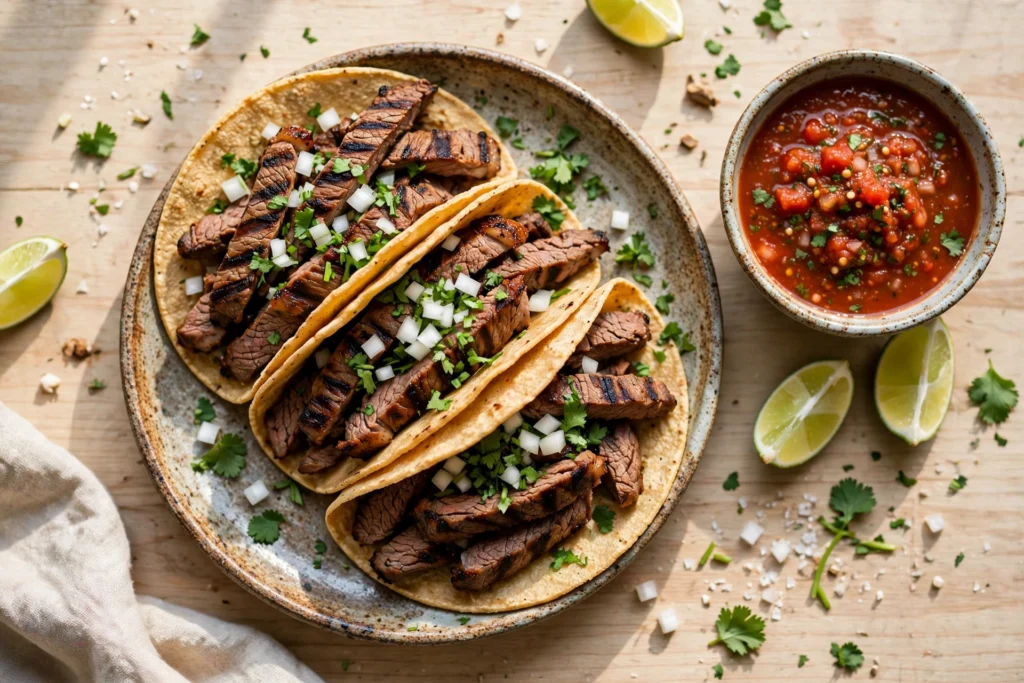
- Skirt Steak Tacos — smoky grilled steak tacos with lime and cilantro, ready in under an hour.
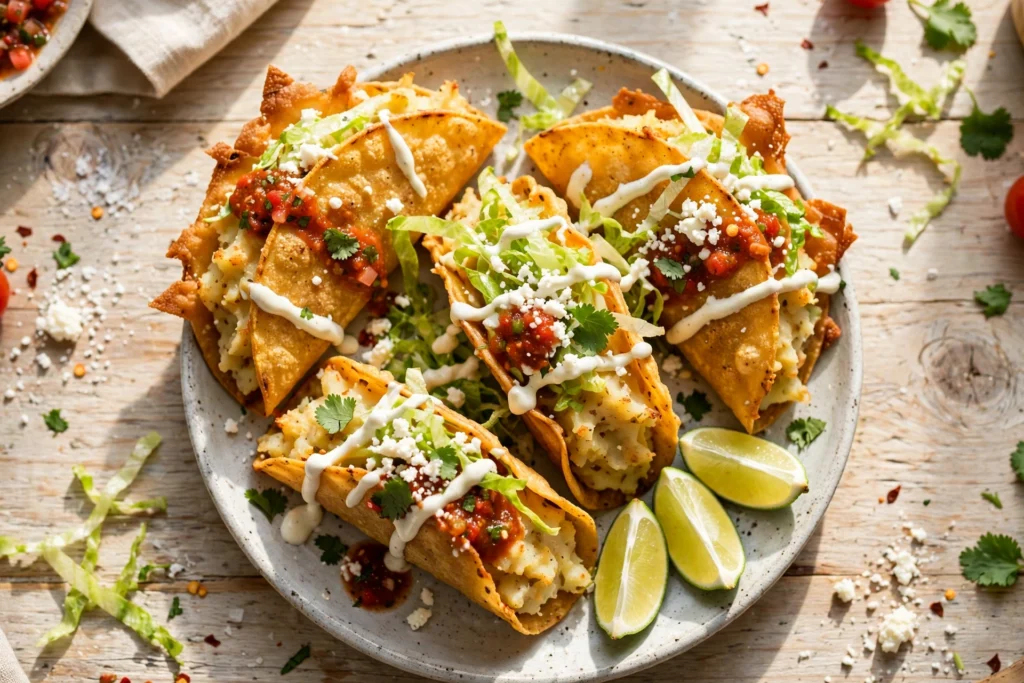
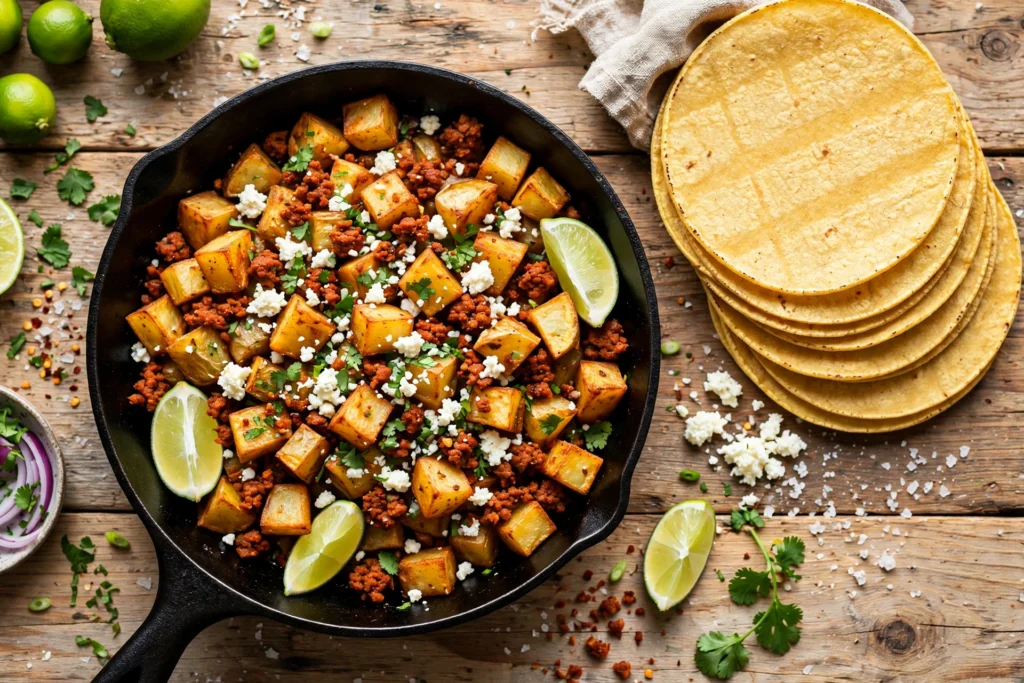
- Crispy Potato Tacos — golden corn tortillas filled with mashed potatoes and cheese, fried until crisp.
- Chicken Smash Tacos — crispy smashed chicken tacos, ready in 30 minutes.
- Pozole Rojo — a hearty Mexican hominy soup with tender pork, perfect for a weekend.
- Sopa de Fideo con Carne Molida — a golden Mexican noodle soup with ground beef and vegetables.
Carnitas
Ingredients
Equipment
Method
- Cut the pork shoulder into large 4-inch chunks and pat dry; mix the salt, cumin, chili powder, garlic powder, onion powder, oregano and black pepper, then rub all over the pork on every side.
- Place the seasoned pork in a large Dutch oven; tuck the quartered onion, smashed garlic, jalapeño halves, bay leaves and cinnamon stick (if using) around the meat, then pour in the orange juice, lime juice, milk and chicken broth and add the squeezed orange halves.
- Put the lid on and braise in a 325°F oven for 3 to 3 1/2 hours, until the pork is fall-apart tender and shreds easily with a fork. (Slow cooker: cook on low for 8 to 10 hours or on high for 5 to 6 hours.)
- Lift the pork out with a slotted spoon onto a large rimmed baking sheet, leaving the cooking liquid in the pot; pull out the bay leaves, cinnamon stick and orange halves, then shred the pork with two forks into bite-size pieces.
- Spread the shredded pork in a single layer and drizzle about 1/2 cup of the cooking liquid over the top; broil on high for 8 to 10 minutes, stirring halfway, until the edges are golden and crispy. (Skillet alternative: crisp in batches in a hot, oiled skillet until the bottom turns golden.)
- Pile the hot carnitas into warm corn tortillas and top with diced white onion, chopped cilantro and a squeeze of lime; serve at once, with salsa on the side.
Notes
- Cut the pork into large 4-inch chunks — small pieces dry out through a three-hour braise, and one whole roast cooks unevenly.
Do not skip the milk — it tenderises the pork and helps the edges caramelise. Curdled-looking milk in the pot is normal.
Keep the cooking liquid — drizzle it over the shredded pork before crisping, and save the rest for storing and reheating the leftovers.
Crisp in a single layer and watch the broiler — carnitas go from golden to burnt in under a minute at the end.
Store carnitas with some of their cooking liquid — it keeps the pork moist in the fridge and freezer, and crisps up again in a hot skillet.