
Looking for a Christmas main dish that stops the whole table? This pierna adobada is it — a whole Mexican pork leg marinated overnight, coated in a smoky red-chile adobo, and slow-roasted until the meat falls apart at the touch of a fork. It is rich, juicy and full of deep chile flavour, and it feeds twenty people from a single roast.
The best part is how little hands-on work it takes. Thirty minutes of piercing, blending and rubbing, then the fridge does the marinating overnight and the oven does the roasting — about five hours while you get on with the rest of Christmas. When dinner time comes, you just slice it, spoon over the warm adobo sauce, and serve.
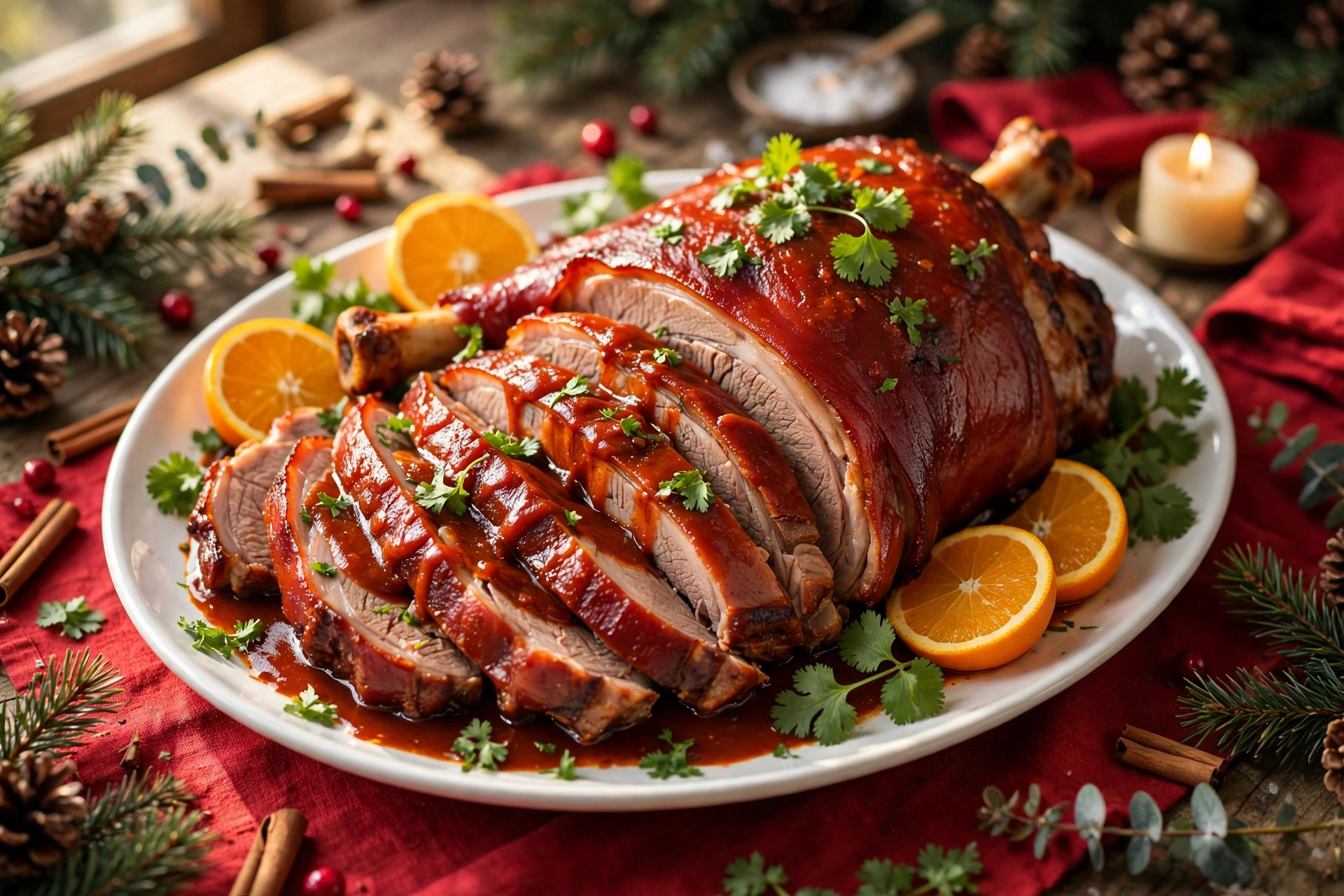
This is the roast Mexico serves on Nochebuena, Christmas Eve, when the whole family gathers. If you love the big, slow roasts of the Mexican Christmas table, this pierna adobada will become the centrepiece of yours.
Why You’ll Love It
- The centrepiece of Nochebuena. Pierna adobada is the Mexican Christmas pork leg — the roast at the heart of the Christmas Eve table in Mexico.
- Fork-tender every time. An overnight marinade and a long, covered roast make the meat so tender it pulls apart with a fork.
- Deep, smoky adobo flavour. Ancho and pasilla chiles, orange juice and warm spices give the pork a rich red-chile flavour that soaks all the way through.
- Feeds a crowd. One 10-lb leg makes about 20 servings, so it is made for big family gatherings.
- Mostly hands-off. Only 30 minutes of actual work — the fridge marinates it overnight and the oven roasts it for about five hours.
- Even better the next day. The leftovers, the recalentado, are a Christmas tradition in Mexico — and they often taste better than the first serving.
What Is Pierna Adobada?
Pierna adobada is a whole pork leg, marinated overnight and roasted in adobo — the red-chile sauce that flavours so much of Mexican cooking. The word pierna means leg, and adobada means cooked in adobo, so the name is exactly the dish: a leg of pork in adobo.
It is one of the great Christmas dishes of Mexico. On Nochebuena, Christmas Eve, families across Mexico sit down to a late dinner, and pierna adobada is often the main dish at the centre of the table — sliced thick, spooned over with warm adobo sauce, and served with rice, beans and warm tortillas. The leg is a big, generous roast, and that is the point: Christmas dinner in Mexico feeds the whole extended family.
The flavour comes from the adobo. Dried ancho and pasilla chiles are toasted, softened and blended with orange juice, vinegar and spices into a smooth, deep-red sauce. The leg is pierced all over so the marinade and the adobo soak deep into the meat, then it roasts for hours, covered, until it is fork-tender. The last few minutes uncovered at high heat give it a dark, burnished crust.
Ingredients
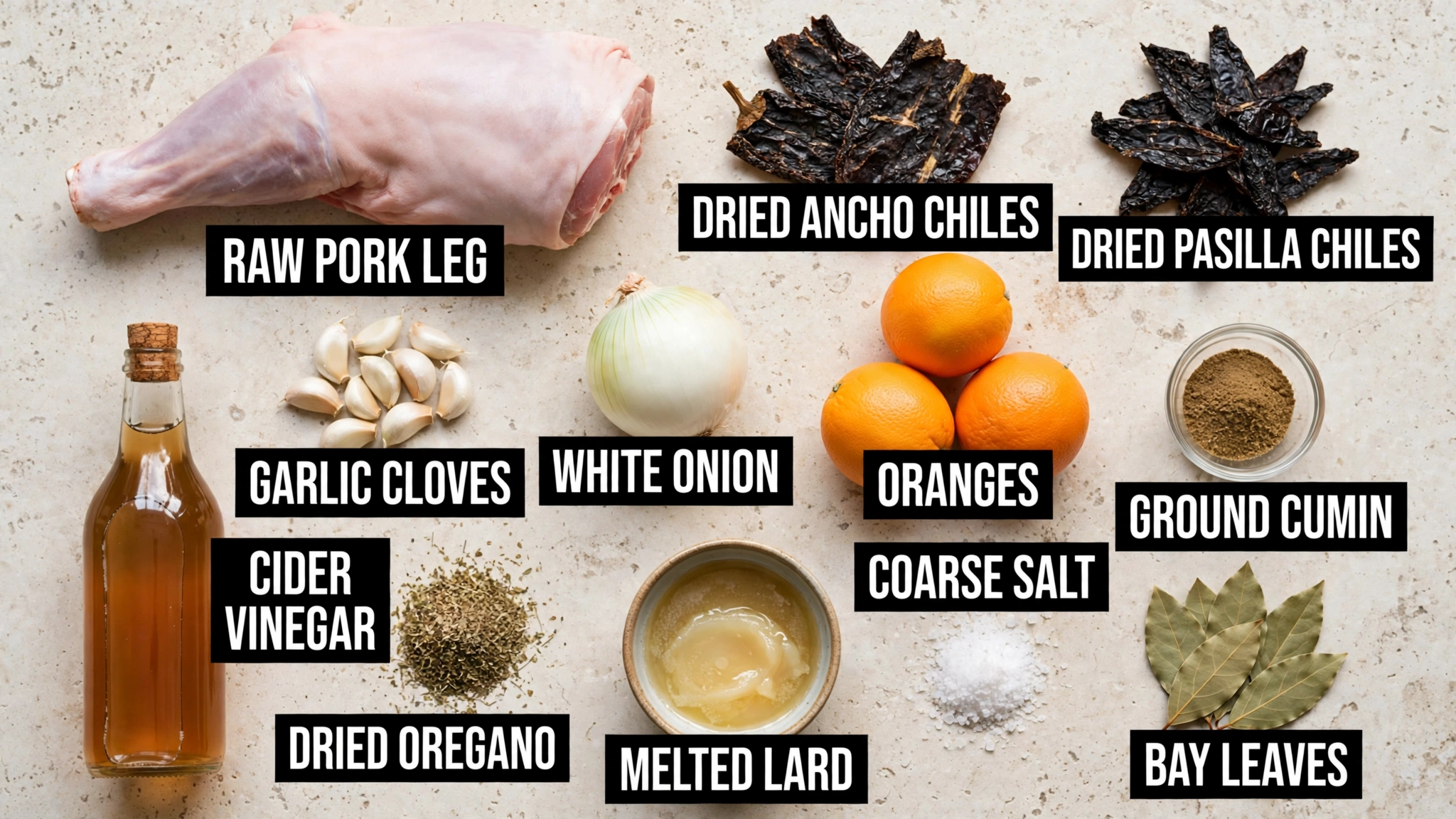
For the pork leg and marinade:
Whole pork leg — 1, about 10 lb, skin removed, bone-in. The leg is the star of this dish — a big, bone-in roast that stays juicy through a long, slow cook. Ask the butcher to remove the skin for you, and keep the bone in: it adds flavour and helps the roast hold its shape. A pork shoulder or butt is the common substitute — cheaper, a little fattier, and cooked exactly the same way. A 6–8 lb leg works too; just roast it for about 1 hour per 2 lb of meat.
Garlic — 10 cloves. Garlic is the backbone of the marinade paste. Roasting the cloves first in a dry skillet takes the sharp edge off and makes them sweet and mellow, so the marinade tastes deep instead of harsh. Fresh garlic is essential here — garlic powder will not give the same flavour.
White onion — 1/2 large. Onion goes into the marinade paste with the garlic, and it adds a gentle sweetness that rounds out the chiles. White onion is the classic choice in Mexico; a yellow onion works in its place.
Bay leaves — 6. Bay leaves give the marinade a warm, herbal note that sits behind the chiles. They are blended into the paste, so there is nothing to fish out later. Dried bay leaves are what you want — fresh ones are stronger and can turn bitter.
Spices:
Dried oregano — 1 tablespoon. Oregano is the herb that makes the marinade taste Mexican. Mexican oregano is the traditional choice and tastes earthier than the Mediterranean kind, but either works. Rub it between your palms as you add it to wake up its flavour.
Ground black pepper — 1 1/2 teaspoons. Black pepper adds a gentle warmth behind the other spices. Freshly ground is best, but pre-ground works too.
Ground cumin — 1 1/2 teaspoons. Cumin gives the marinade its warm, earthy depth — the flavour that ties the chiles and the orange together. A little goes a long way, so measure it rather than pouring freely.
Liquids and Salt:
Fresh orange juice — 1/2 cup, for the marinade. Orange juice is what makes this marinade Mexican. Its sweetness softens the chiles, and its acid helps the flavours soak into the meat. Freshly squeezed juice is best — bottled juice tastes flat by comparison. Sour oranges are the traditional choice in Mexico, but sweet oranges are what most kitchens use.
Cider vinegar — 1/2 cup, for the marinade. Vinegar is the tang in the marinade. It brightens the rich pork and helps the spices penetrate the meat. Apple cider vinegar is the usual choice; white vinegar works in its place.
Coarse salt — 1 tablespoon, for the marinade. Salt seasons the meat all the way through during the overnight marinade, so the flavour goes deep instead of sitting only on the surface. Coarse kosher salt is best — it dissolves evenly into the paste.
For the adobo sauce:
Dried ancho chiles — 8, cleaned and deveined. Ancho chiles are the heart of the adobo. They are mild, smoky and slightly sweet, and they give the sauce its deep red colour and its rich, raisin-like flavour. Clean them out — pull off the stems, shake out the seeds and tear out the veins — before you toast them.
Dried pasilla chiles — 6, cleaned and deveined. Pasilla chiles add a darker, earthier note behind the ancho, and they deepen the colour of the sauce. Together, ancho and pasilla are the classic adobo pair. If you cannot find pasilla, use 6 guajillo chiles instead, plus 1–4 morita chiles if you like a little more heat.
Fresh orange juice — 2 cups, for the adobo. Orange juice is the liquid the adobo is blended with. It sweetens the chiles and thins the sauce to a smooth, spoonable consistency. You will need about 4 oranges in total for the marinade and the adobo.
Cider vinegar — 1 cup, for the adobo. Vinegar gives the adobo its tang and helps it keep — it is part of why the leftovers last so well in the fridge. Use the same cider vinegar as in the marinade.
Water, Salt and Lard:
Water — 1 cup, for the adobo. Water loosens the blended chiles into a smooth sauce. Add it a little at a time — you want the adobo thick enough to coat the leg, not thin like a soup.
Coarse salt — 1 tablespoon, for the adobo. Salt seasons the adobo itself, so the sauce tastes complete before it ever touches the pork. Taste the blended sauce and add a little more if it needs it.
Melted lard — 3 tablespoons, for brushing. Lard is brushed over the leg before the adobo goes on. It helps the adobo cling to the meat and keeps the surface from drying out in the long roast. Vegetable oil works in its place, but lard is the traditional choice and gives a richer flavour.
Optional stuffing (one traditional version):
Toasted almonds — 25 g. Almonds are pushed into slits cut in the meat, and they toast inside the roast, adding a nutty surprise to the slices. They are optional — the leg is complete without them.
Pitted prunes — 10, halved. Prunes are the classic sweet counterpoint in a stuffed pierna, tucked into the slits with the almonds. They soften in the roast and taste sweet against the smoky adobo. Raisins work in their place.
Streaky bacon — 3 rashers. Bacon is pushed into the slits with the almonds and prunes, and it bastes the meat from the inside as it roasts. It is optional, but it adds a smoky richness that suits the adobo.
To serve:
Pan juices and remaining adobo — simmered together. The juices left in the roasting pan are simmered with the adobo you held back, for 8 minutes, into the sauce that is spooned over the slices. Nothing from the pan is wasted — the juices are where the flavour lives.
How to Make It
1 Pierce the Leg and Make the Marinade: Pierce the pork leg all over with a sharp knife, making deep cuts so the marinade can get inside. Roast the garlic cloves and the onion in a dry skillet until they soften and colour lightly, then blend them with the bay leaves, oregano, pepper, cumin, orange juice, vinegar and salt into a smooth paste. Rub the paste all over the leg, getting it into every cut, then cover and refrigerate overnight — at least 6 hours.
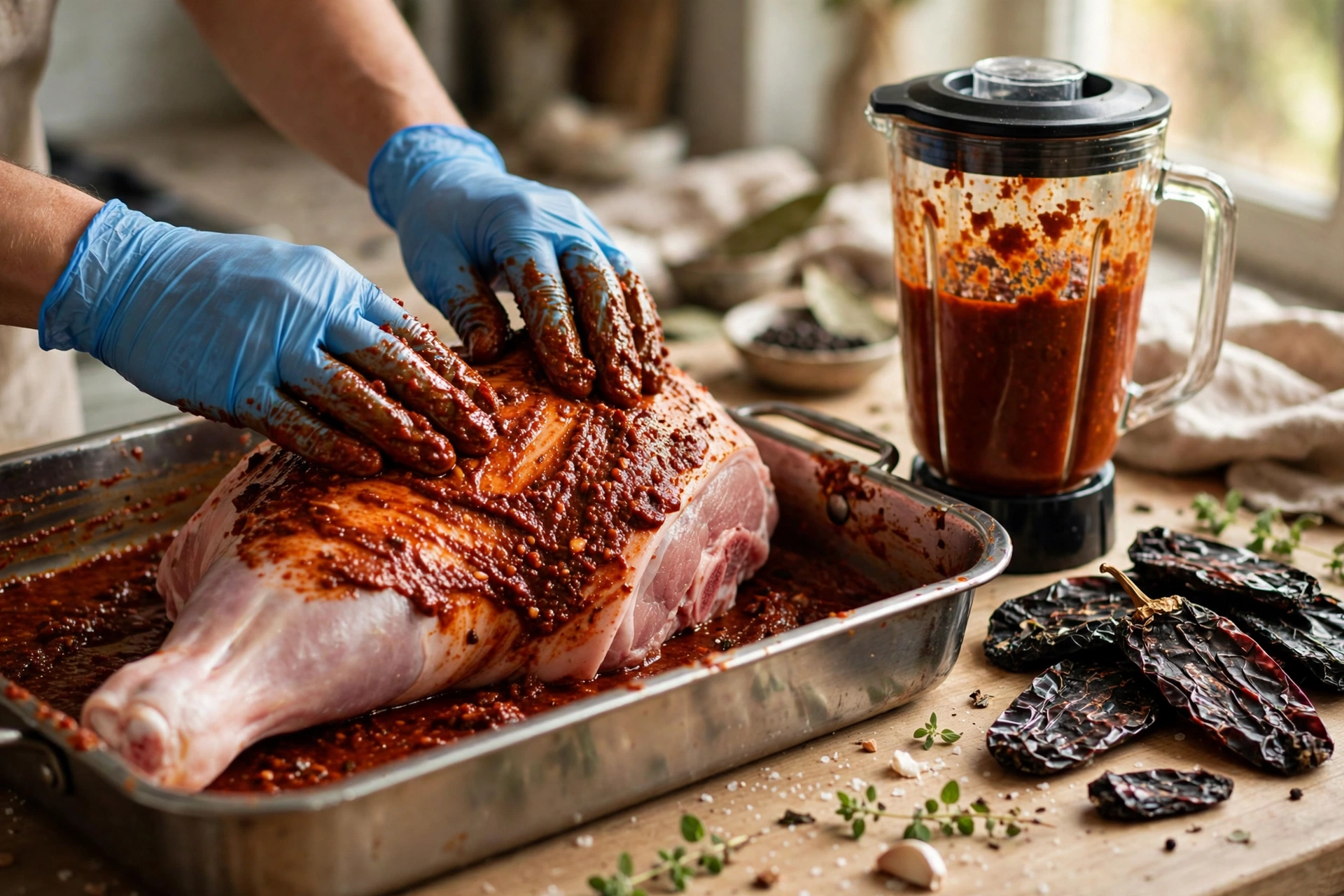 2 Toast and Blend the Adobo: Toast the cleaned ancho and pasilla chiles quickly on a dry comal or skillet, a few seconds per side, until they smell fragrant — do not let them burn. Simmer them in water for 8 minutes until soft, then drain and blend with the orange juice, vinegar, water and salt into a smooth, deep-red adobo sauce. Taste it and add a little more salt if it needs it.
3 Coat the Leg in Adobo: Take the leg out of the fridge and let it come to room temperature for about 30 minutes. Brush it all over with the melted lard, then cover it with half of the adobo sauce, rubbing it in with your hands so every part of the leg is coated. Keep the other half of the adobo for the serving sauce.
Roast, Brown and Rest:
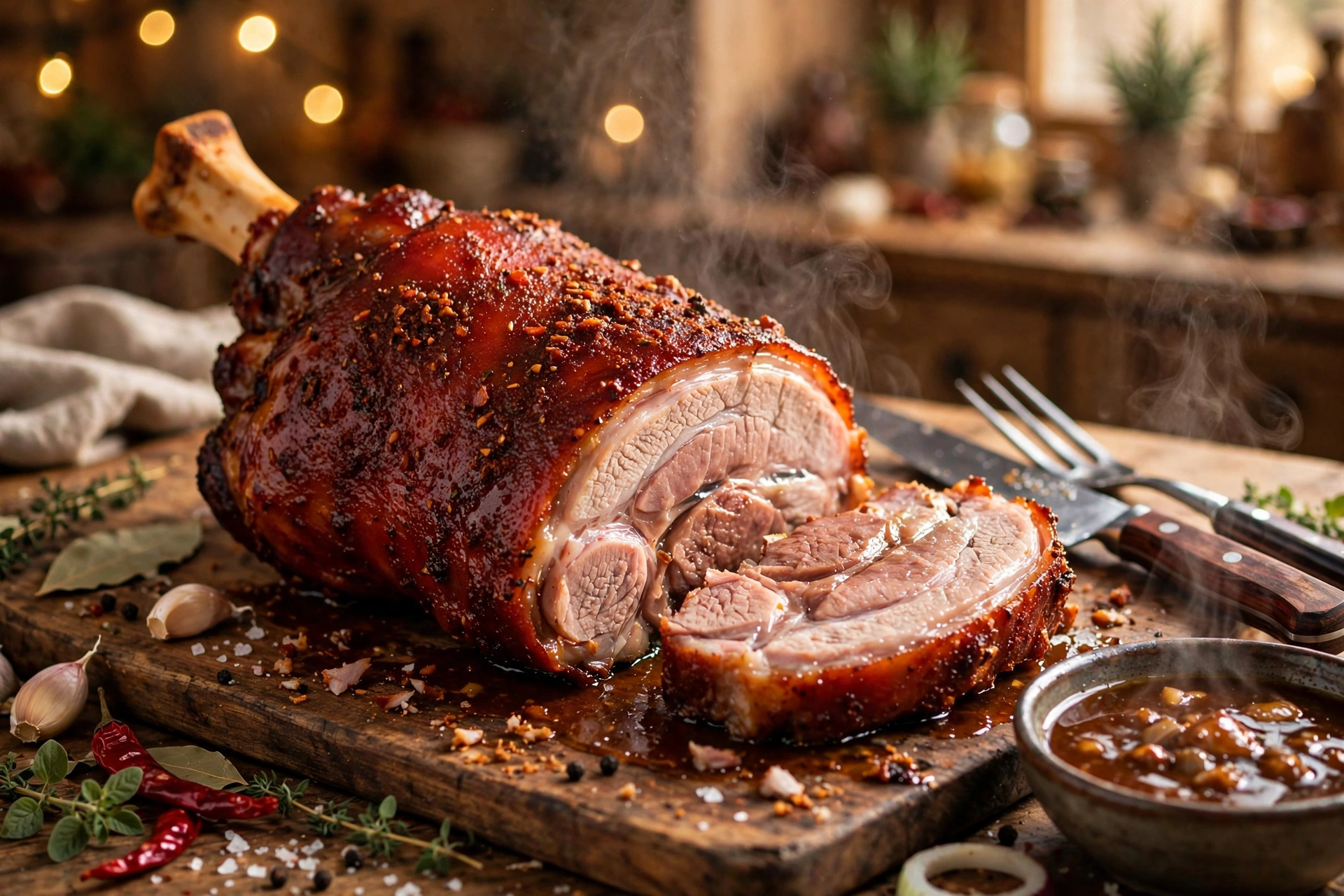 4 Roast Low and Slow, Basting as You Go: Put the leg in a large roasting pan and cover it tightly with foil — or use a baking bag. Roast at 350°F, turning the leg and basting it with its own juices every hour. A 10-lb leg takes about 5 hours; the rule is about 1 hour of roasting for every 2 lb of meat. The cover is what keeps it moist, so keep the foil tight.
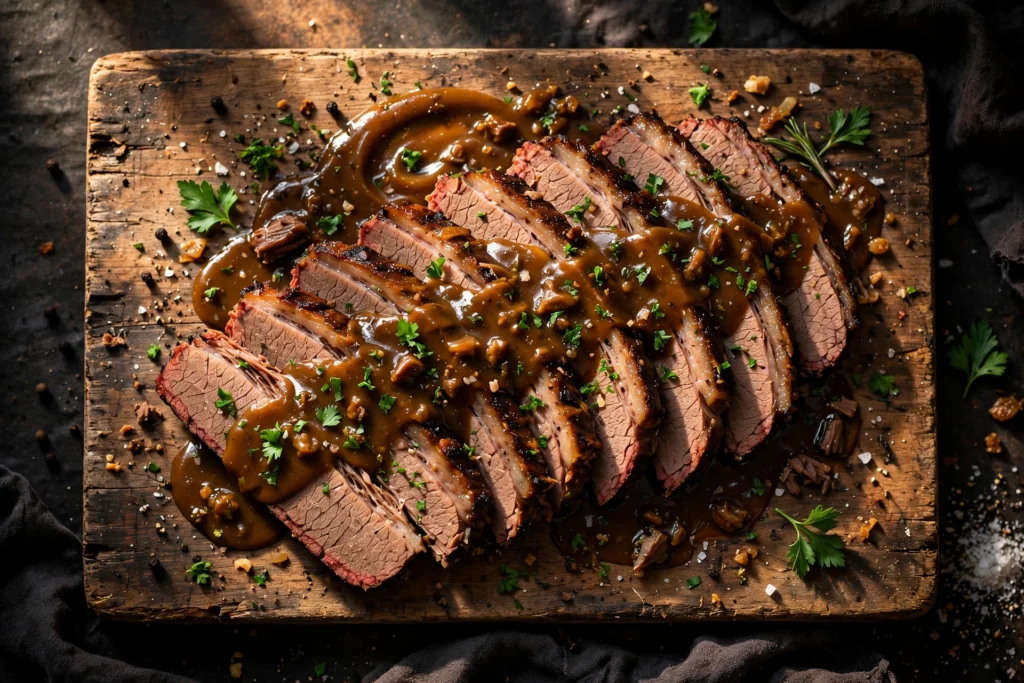
5 Brown, Rest and Carve: When the meat is fork-tender, take the foil off, raise the oven to 450°F and roast for 8 to 10 minutes, until the outside is dark and burnished. Take the leg out and rest it for 10 minutes before you slice it — the juices need time to settle back into the meat, or they will run out onto the board. Carve it into thick slices, across the grain.
6 Make the Sauce and Serve: While the leg rests, pour the pan juices into a small saucepan, add the adobo you held back, and simmer for 8 minutes until the sauce is glossy and thick enough to coat a spoon. Arrange the slices on a platter and spoon the warm sauce over them. Serve at once, with the extra sauce on the table.
Technique: The Adobo and the Slow Roast
Two things decide whether pierna adobada turns out fork-tender and deeply flavoured or dry and dull: the adobo and the cover.
First, the adobo. The chiles are everything. Toast them quickly on a dry comal — a few seconds per side, just until they smell fragrant — and never let them burn. Burnt chiles turn the adobo bitter, and there is no fixing it afterwards: you would have to start the sauce again. Simmer the toasted chiles for 8 minutes until they are soft, then blend them with the orange juice, vinegar and water until the sauce is completely smooth. If the blender leaves flecks, blend it longer, or push it through a sieve. A smooth adobo coats the leg evenly and soaks into the meat; a gritty one sits on the surface.
The Cover and the Basting:
Second, the cover and the basting. A pork leg roasts for about five hours, and five hours in a dry oven will dry out any cut. The tight foil cover — or a baking bag — traps the steam and the juices around the meat, so the leg braises in its own moisture instead of drying out. Baste every hour with the pan juices, turning the leg so every side spends time in the liquid. When the meat is fork-tender, only then take the cover off and raise the heat to 450°F for the last 8 to 10 minutes. That short blast browns the outside without drying the inside — and that is the whole secret of a leg that is dark and burnished on the outside and juicy all the way through.
One more thing matters just as much: rest the leg for 10 minutes before you carve it. A roast straight from the oven is full of juices that are still moving. Cut it too soon and they run out onto the board, and the slices come out dry. Ten minutes of rest lets the juices settle, and the slices stay moist.
Tips
- ✓ Pierce the leg all over. Deep cuts let the marinade and the adobo soak into the meat instead of sitting on the surface. This is the step that flavours the whole roast.
- ✓ Marinate overnight if you can. At least 6 hours works, but overnight is better — the flavours go deeper and the meat turns more tender.
- ✓ Never burn the chiles. Toast them for a few seconds per side, just until fragrant. Burnt chiles turn the adobo bitter, and there is no way to fix it.
- ✓ Keep the foil tight and baste every hour. The cover is what keeps a five-hour roast moist. Loose foil lets the steam out, and the leg dries out.
- ✓ Use the 1-hour-per-2-lb rule. A 10-lb leg takes about 5 hours at 350°F; a 6-lb leg takes about 3 hours. Start checking for fork-tenderness an hour before the time is up.
- ✓ Rest for 10 minutes before carving. Cutting too soon lets the juices run out onto the board, and the slices come out dry.
Variations
- With pork shoulder instead of leg. A pork shoulder or butt is cheaper and a little fattier, and it cooks exactly the same way — same marinade, same adobo, same roasting time per pound. It pulls apart even more easily than the leg.
- With a different chile blend. The classic adobo is ancho and pasilla, but 6 guajillo chiles with 3 ancho and 1–4 morita chiles is another common blend — a little brighter, with a gentle smoky heat.
- Stuffed pierna (pierna mechada). Cut deep slits in the leg and push in toasted almonds, halved prunes and streaky bacon before you marinate it. The stuffing toasts inside the roast and adds a sweet, nutty surprise to the slices.
- Roasted at 325°F. One traditional version roasts at 325°F for 4–5 hours for a 6–8 lb leg. It takes a little longer, but the meat turns out just as tender.
- In a baking bag. A roasting bag does the same job as tight foil — it traps the steam and keeps the leg moist, and there is no basting to remember. Follow the bag’s own instructions for time and temperature.
What to Serve With
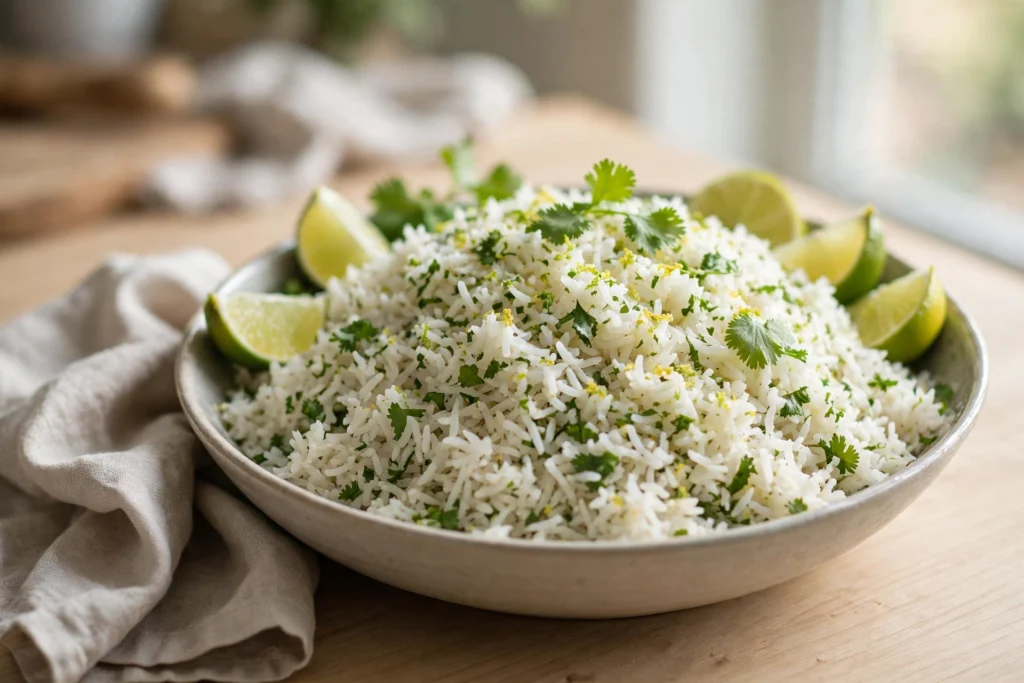
Pierna adobada is the centrepiece of the Nochebuena table, and it needs sides that can stand next to a big roast. Cilantro Lime Rice is the classic partner — the bright lime in the rice cuts through the rich, smoky adobo, and the rice soaks up the sauce. Warm corn tortillas and bolillos belong on the table too, for wrapping up slices of pork with a spoonful of sauce.
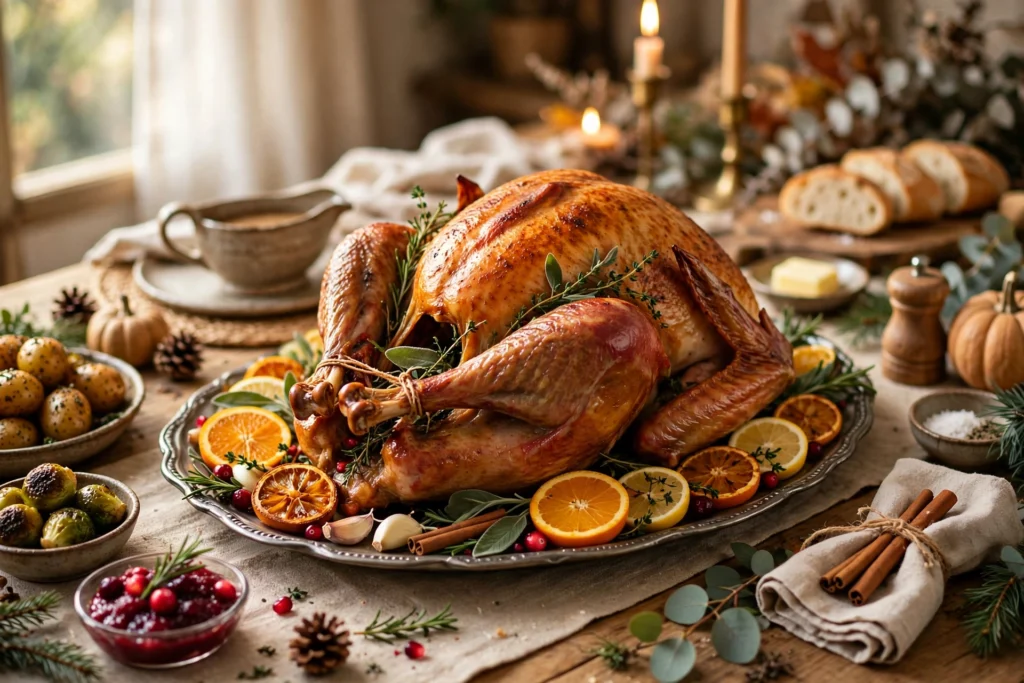
For a bigger Christmas spread, serve the pierna with Roast Turkey for a second roast, or with Chipotle Citrus Thanksgiving Turkey for another festive bird with a Mexican twist. Chile Colorado makes a rich, slow-cooked contrast to the roast, and a simple green salad with orange and jícama keeps the plate fresh. Ensalada de Nochebuena makes a bright, fruity counterpoint to the rich roast, and Bacalao a la Vizcaína is the other classic Nochebuena main beside it. Set out the extra adobo sauce in a jug, so everyone can spoon over as much as they like.
Storage
Let the leg cool before moving the leftovers to an airtight container. The pork keeps in the refrigerator for 3 to 10 days — the adobo helps it keep longer than a plain roast, so do not throw it away after a day or two.
The next-day leftovers have their own name in Mexico: the recalentado, the reheated Christmas dinner, and it is a tradition in itself — many families say it tastes better than the first serving. Reheat the sliced meat gently in a covered pan with a spoonful of the adobo sauce, over low heat, until it is warm through. Do not blast it in a hot oven, or the slices will dry out.
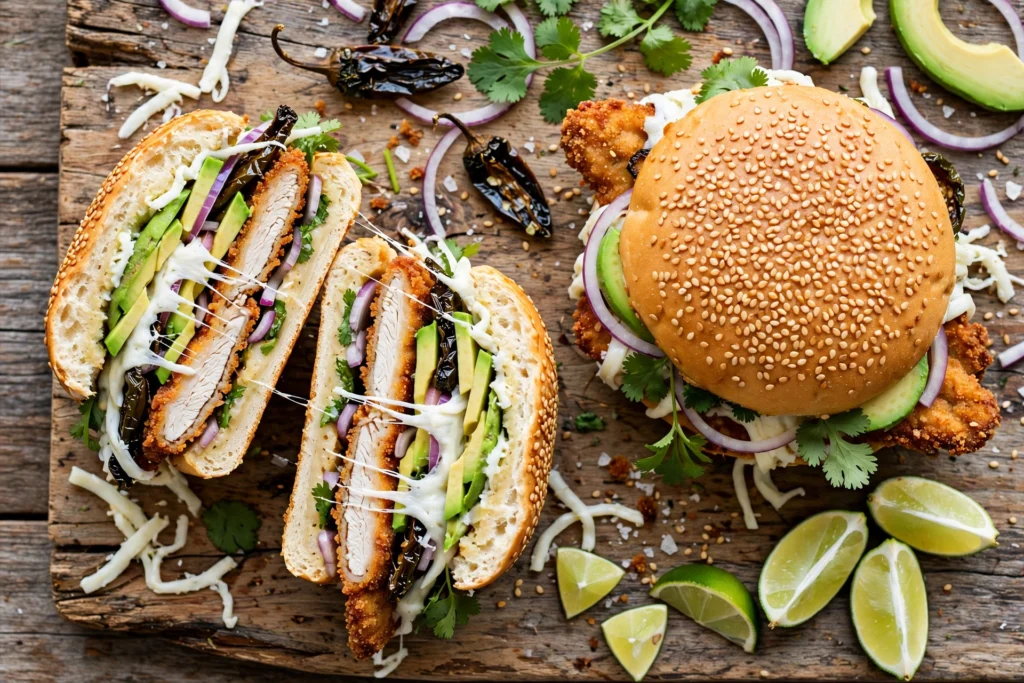
For longer storage, freeze the sliced meat with its sauce in a freezer-safe bag or container for up to 3 months. Thaw it overnight in the fridge, then reheat it the same way, gently and covered. Leftover pierna makes excellent tortas — pile the sliced pork with sauce into a bolillo with avocado and onion.
Frequently Asked Questions
What is pierna adobada, and where is it from in Mexico?
Pierna adobada is a whole pork leg marinated overnight and slow-roasted in adobo, a red-chile sauce made from ancho and pasilla chiles, orange juice and spices. It is one of the great Christmas dishes of Mexico — the roast at the centre of the Nochebuena table on Christmas Eve, sliced thick and spooned over with warm adobo sauce.
How long do you roast a 10-lb pork leg?
About 5 hours at 350°F, covered with foil, plus an overnight marinade. The rule is about 1 hour of roasting for every 2 lb of meat, so a 6-lb leg takes about 3 hours and a 10-lb leg takes about 5 hours. Finish it uncovered at 450°F for 8 to 10 minutes to brown, then rest it for 10 minutes before carving.
What chiles are used in pierna adobada?
The classic adobo uses 8 dried ancho chiles and 6 dried pasilla chiles, toasted, simmered and blended with orange juice and vinegar. Ancho chiles give the sauce its deep red colour and smoky sweetness, and pasilla chiles add a darker, earthier note. Guajillo chiles with a few morita chiles are the common alternative blend.
Substitutes, Make-Ahead and Serving:
Can I use pork shoulder instead of a pork leg?
Yes. A pork shoulder or butt is the most common substitute — it is cheaper, a little fattier, and it cooks exactly the same way, with the same marinade, the same adobo and the same roasting time per pound. It pulls apart even more easily than the leg, so it is a good choice if you like your roast shreddable.
Can I make pierna adobada ahead of time?
Yes, and it is made for it. Marinate the leg overnight, then roast it the day before Christmas and reheat the slices gently in their sauce. The next-day leftovers, the recalentado, are a Christmas tradition in Mexico — many families say the pork tastes better the second day, once the adobo has had more time to soak in.
What do you serve with pierna adobada?
Rice, beans and warm tortillas are the classic partners — cilantro lime rice is the usual choice, and the rice soaks up the adobo sauce. Bolillos work too, for making tortas with the leftover slices. A fresh salad with orange and jícama keeps the plate bright next to the rich roast.
More Questions About Pierna Adobada
Is pierna adobada spicy?
It is warm and smoky rather than hot. Ancho and pasilla chiles are mild — they give the sauce its deep flavour and colour without much heat. If you want more heat, add 1–4 morita chiles to the adobo blend, or serve the pork with pickled jalapeños on the side.
Try These Next
Roast Turkey — a classic holiday roast, juicy and golden, perfect for a big family table.
Chile Colorado — tender Mexican beef braised in a smooth red chile sauce.
Cilantro Lime Rice — fluffy Mexican rice with lime and cilantro, the perfect side for a roast.
Pozole Rojo — a Mexican pork and hominy stew in a rich red chile broth.
Chipotle Citrus Thanksgiving Turkey — juicy turkey with chipotle-citrus butter, perfect for a holiday feast.
Pierna Adobada
Ingredients
Equipment
Method
- Pierce the pork leg all over with a sharp knife. Roast the garlic and onion in a dry skillet, then blend with the bay leaves, oregano, pepper, cumin, orange juice, vinegar and salt into a smooth paste. Rub it all over the leg, cover and refrigerate overnight (at least 6 hours).
- Toast the cleaned ancho and pasilla chiles quickly on a dry comal, a few seconds per side — do not burn them. Simmer in water for 8 minutes until soft, then drain and blend with the orange juice, vinegar, water and salt into a smooth adobo. Taste and adjust the salt.
- Let the leg come to room temperature for about 30 minutes. Brush all over with the melted lard, then cover with half of the adobo, rubbing it in with your hands. Keep the other half for the serving sauce.
- Put the leg in a large roasting pan, cover tightly with foil (or use a baking bag), and roast at 350°F, turning and basting with its juices every hour — about 1 hour per 2 lb; about 5 hours for a 10-lb leg.
- When the meat is fork-tender, uncover, raise the oven to 450°F and roast 8–10 minutes to brown. Rest for 10 minutes before carving into thick slices, across the grain.
- Pour the pan juices into a small saucepan, add the remaining adobo and simmer for 8 minutes. Arrange the slices on a platter and spoon the warm sauce over them.
Notes
- Pierce the leg all over with a sharp knife so the marinade and the adobo soak deep into the meat.
- Toast the chiles quickly and never let them burn — burnt chiles turn the adobo bitter, and there is no fixing it.
- Keep the leg tightly covered with foil and baste every hour — the cover is what keeps a five-hour roast moist.
- Use the 1-hour-per-2-lb rule: a 10-lb leg takes about 5 hours at 350°F; start checking for fork-tenderness an hour early.
- Rest the leg for 10 minutes before carving, and reheat leftovers gently in their sauce — the next-day recalentado often tastes better.