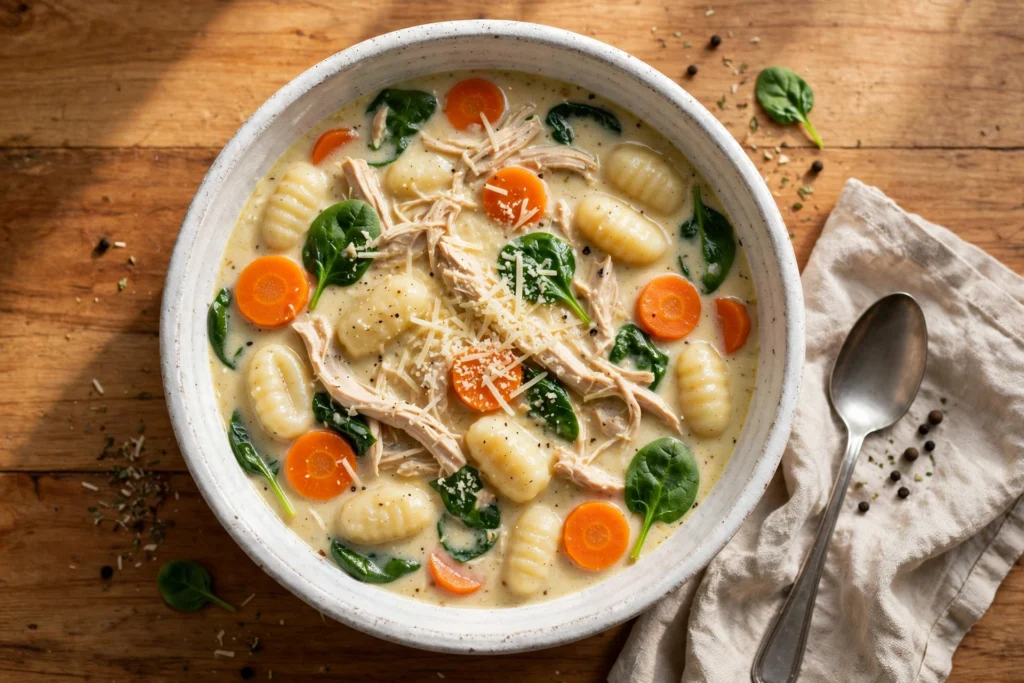
Some dinners need a plan, a shopping list, and an hour you do not have. Pastina needs none of those. Tiny star-shaped pasta simmers in golden chicken broth, then butter and Parmesan melt in off the heat until the whole pot turns silky, creamy, and spoonable.
This pastina recipe takes 15 minutes from pantry to bowl, uses one pot, and serves four — the dinner you make when someone is tired, sniffly, or picky, and the one adults quietly ask for again the next night.
 The Little StarsThe first time I made pastina, I was not cooking for a crowd. My youngest had a cold, no appetite, and a firm opinion that soup was “too soupy” and pasta was “too chewy.” So I reached for the tiny star pasta my mother always kept in the pantry, simmered it in broth until it went soft, and stirred in butter and cheese until it turned into something between a soup and a hug. She ate two bowls and asked for the stars by name the next day. I have kept a box of pastina in the pantry ever since — because some recipes are not about impressing anyone. They are about showing up with a warm bowl when it matters.
Why You’ll Love It
- Ready in 15 minutes. One pot, five minutes of prep, and dinner is on the table.
- Five pantry ingredients. Pastina, broth, butter, Parmesan, and salt — nothing fancy, nothing to hunt for.
- Creamy without cream. The starch from the tiny pasta thickens the broth, so the bowl turns silky with no cream at all.
- The ultimate comfort bowl. Warm, buttery, and gentle — the Italian classic for sick days and cold nights.
- Kids genuinely love it. Tiny star pasta in a cheesy broth is the rare dinner picky eaters ask for.
- Easy to make your own. Add the egg for a silkier bowl, or keep it plain — both take the same 15 minutes.
- One pot, almost no cleanup. Everything cooks in one saucepan, so dinner ends with one pot in the sink.
Ingredients
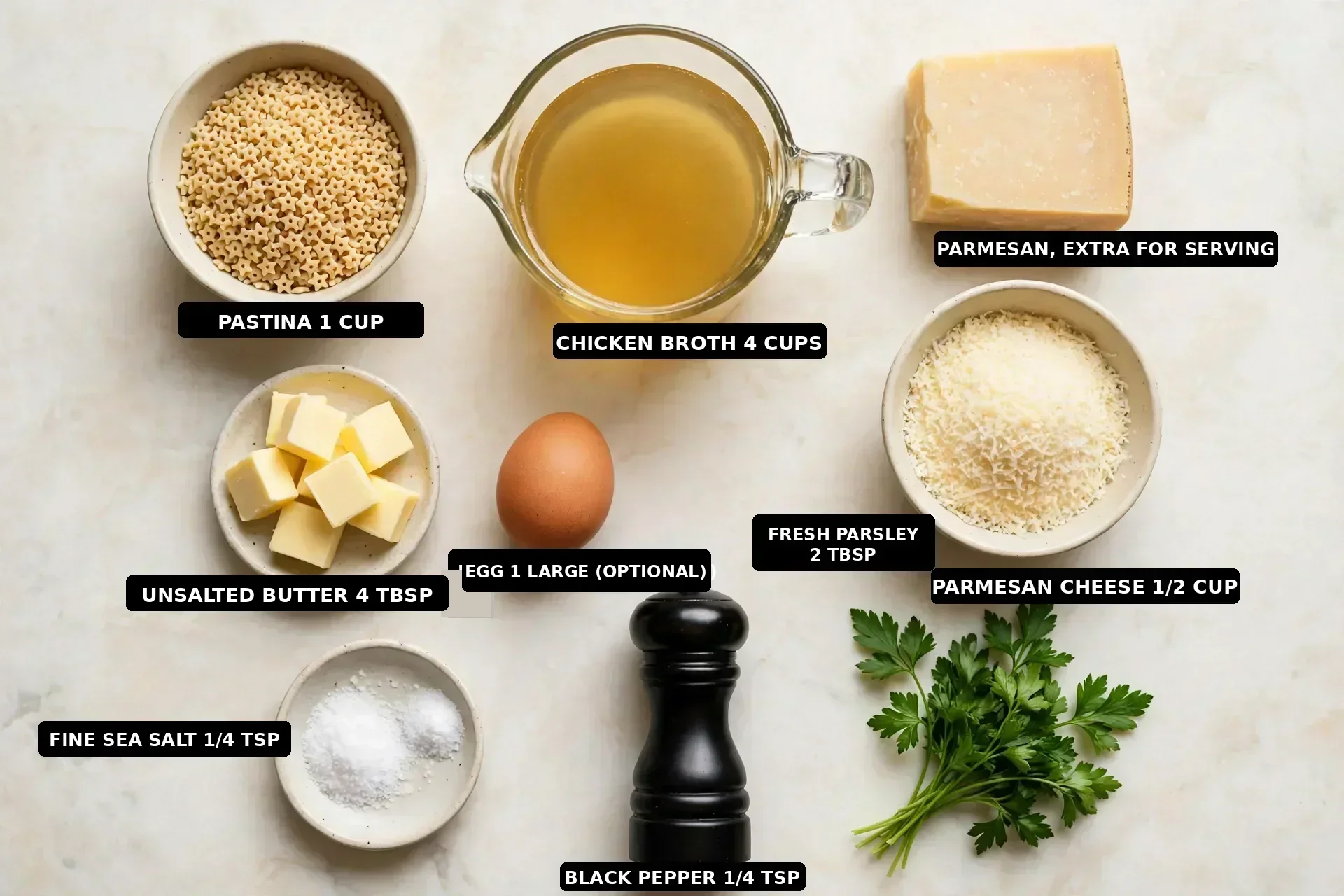
The Pasta and the Broth
- 1 cup pastina (stelline, tiny star pasta) — Stelline means “little stars” in Italian. The tiny shape cooks in minutes and releases starch that thickens the broth into a creamy sauce. Substitution: 1 cup acini di pepe or orzo.
- 4 cups low-sodium chicken broth — The pasta cooks in it, so it is also the flavor — a good broth makes a good bowl. Low-sodium matters because the Parmesan adds salt later. For the best flavor, use homemade chicken stock if you have it. Substitution: 4 cups low-sodium vegetable broth, or 4 cups water plus 1 teaspoon chicken bouillon.
The Buttery Finish
- 4 tablespoons unsalted butter, cut into pieces — It melts into the hot pasta and turns the broth glossy, rich, and silky — it is what makes the bowl taste like comfort instead of just soup. Cutting it into pieces first helps it melt fast. Substitution: 4 tablespoons salted butter (then skip the added salt), or 2 tablespoons butter plus 2 tablespoons olive oil.
- 1/2 cup freshly grated Parmesan cheese, plus more for serving — It melts into the hot pastina and gives it a salty, nutty depth no other cheese matches. Freshly grated from a block melts smoothly, while pre-grated cheese can clump. Substitution: 1/2 cup Pecorino Romano for a sharper, saltier bowl, or Grana Padano for a milder one.
The Seasoning and the Optional Egg
- 1 large egg, at room temperature (optional, for the egg-drop version) — Whisked and tempered into the hot pasta, the egg thickens the broth into a silky, golden coating — the classic Italian finish. It is optional, so skip it for the plain kid-friendly version. Substitution: 1 pasteurized egg, or leave it out entirely.
- 1/4 teaspoon fine sea salt — Just enough to wake up the broth, since the Parmesan brings salt of its own — taste before adding more. Substitution: 1/4 teaspoon fine table salt or kosher salt.
- 1/4 teaspoon freshly ground black pepper — A little warmth and bite against all that butter and cheese — freshly ground tastes brighter than pre-ground. Substitution: a pinch of white pepper for a gentler heat.
- 2 tablespoons chopped fresh parsley, for serving — The green finish that cuts through the richness. Flat-leaf parsley has the best flavor here. Substitution: 2 tablespoons chopped fresh basil, or 1 tablespoon chopped chives.
How to Make Pastina
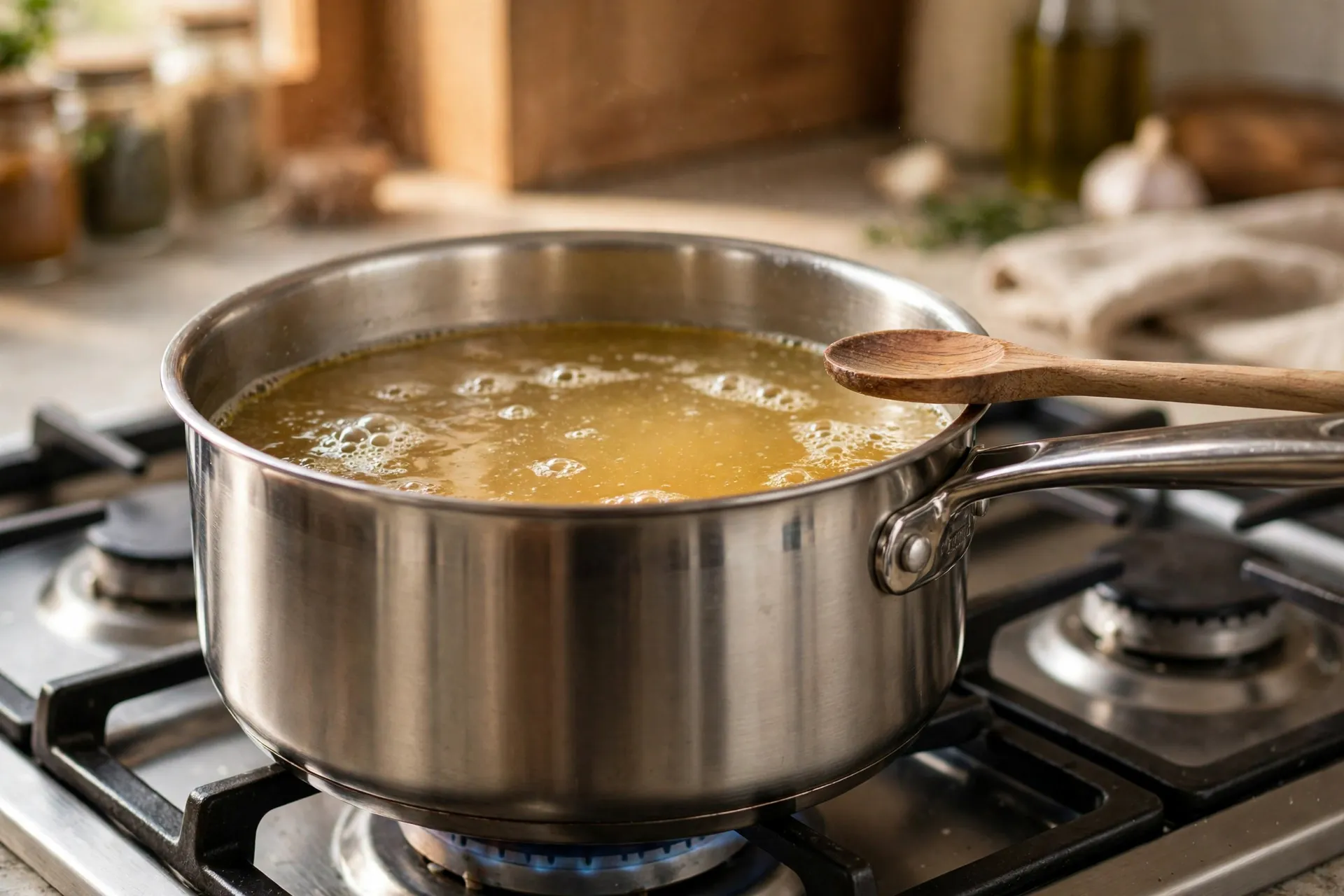 1 Bring the Broth to a Boil. Pour 4 cups of low-sodium chicken broth into a medium saucepan over medium-high heat and bring it to a gentle boil — not a rolling one, which cooks the tiny pasta unevenly. While it heats, cut the butter into pieces and grate the Parmesan.
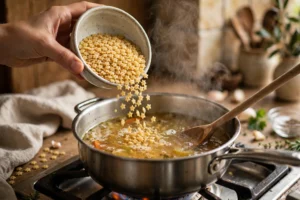
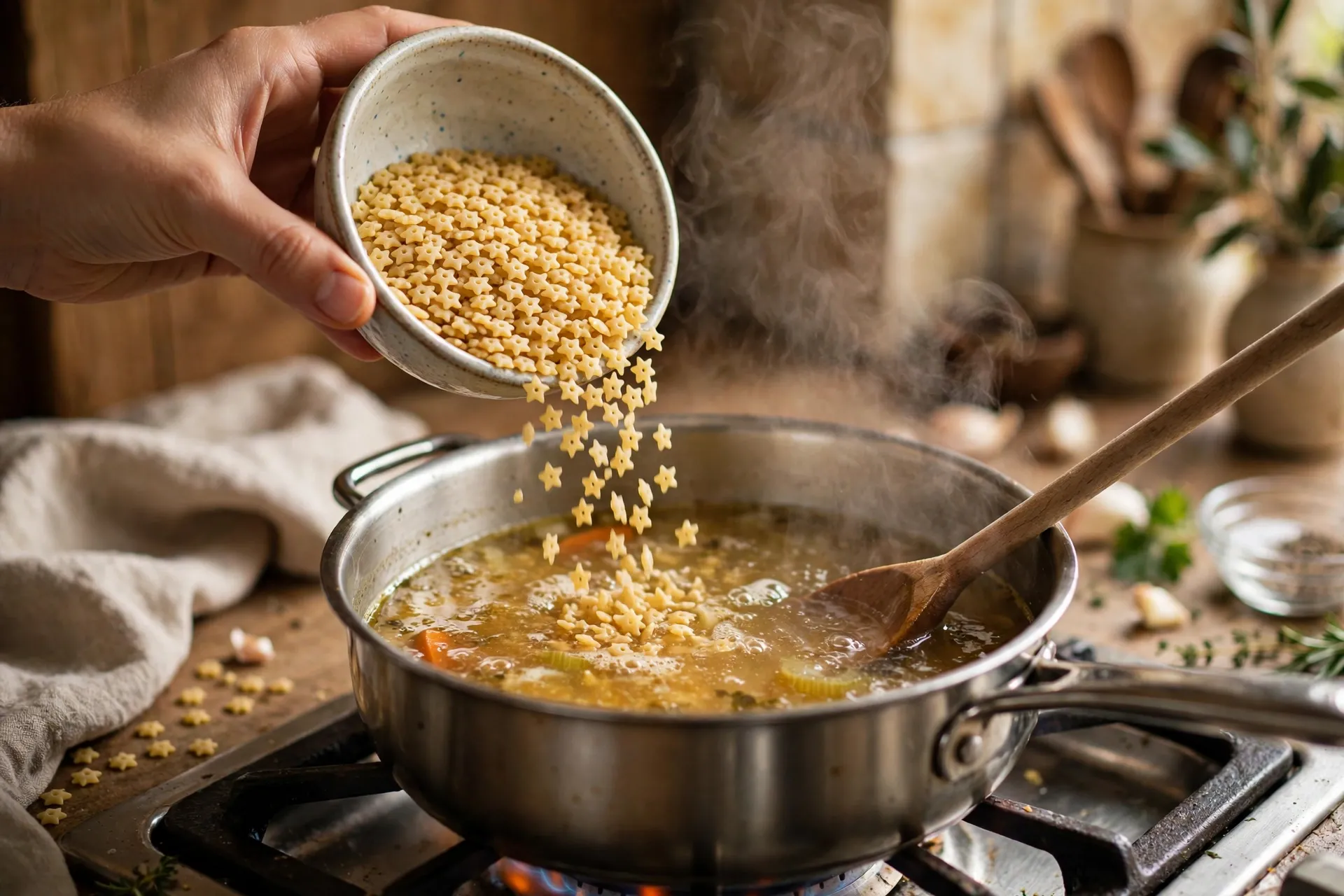 2 Add the Pastina and Cook. Stir the broth once, then pour in 1 cup of pastina in a slow stream while stirring — dumping it in all at once is how tiny pasta sticks together. Lower the heat to medium and cook at a gentle simmer for 6 to 8 minutes, stirring often with a wooden spoon, because the little stars love to settle and stick to the bottom of the pot. The pastina is done when it is tender and most of the broth has been absorbed, yet the pot still looks loose and spoonable, like a thick soup.
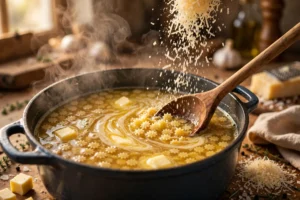
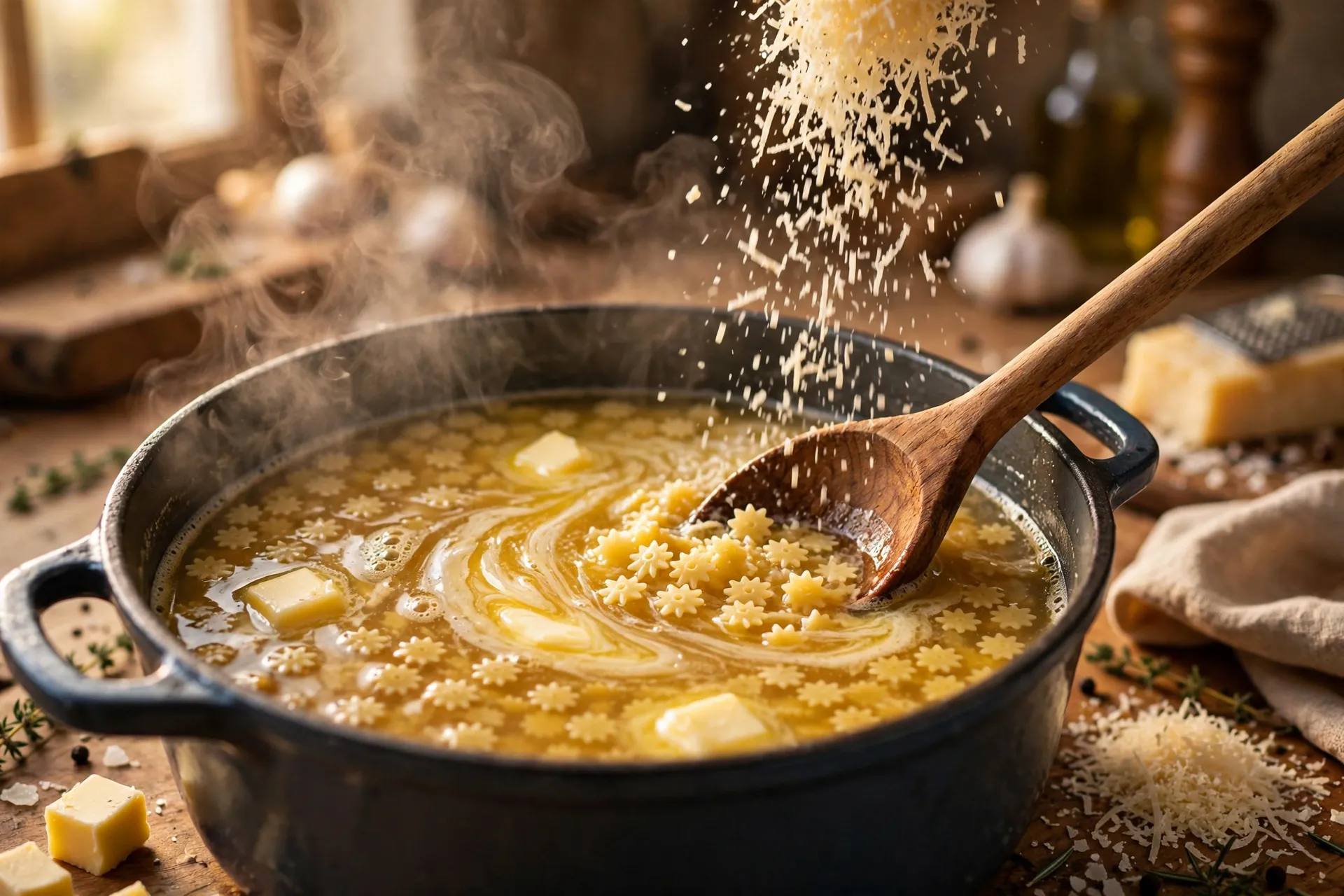 4 Stir in the Butter and Parmesan. With the pot off the heat, add the butter pieces and 1/2 cup of freshly grated Parmesan. Stir constantly for about 30 seconds, until the butter has melted, the cheese has disappeared into the pasta, and the bowl looks glossy and creamy. This is the moment the dish changes from pasta in broth into pastina — so do not rush it, and do not put the pot back on the heat, because high heat can make the cheese go grainy.
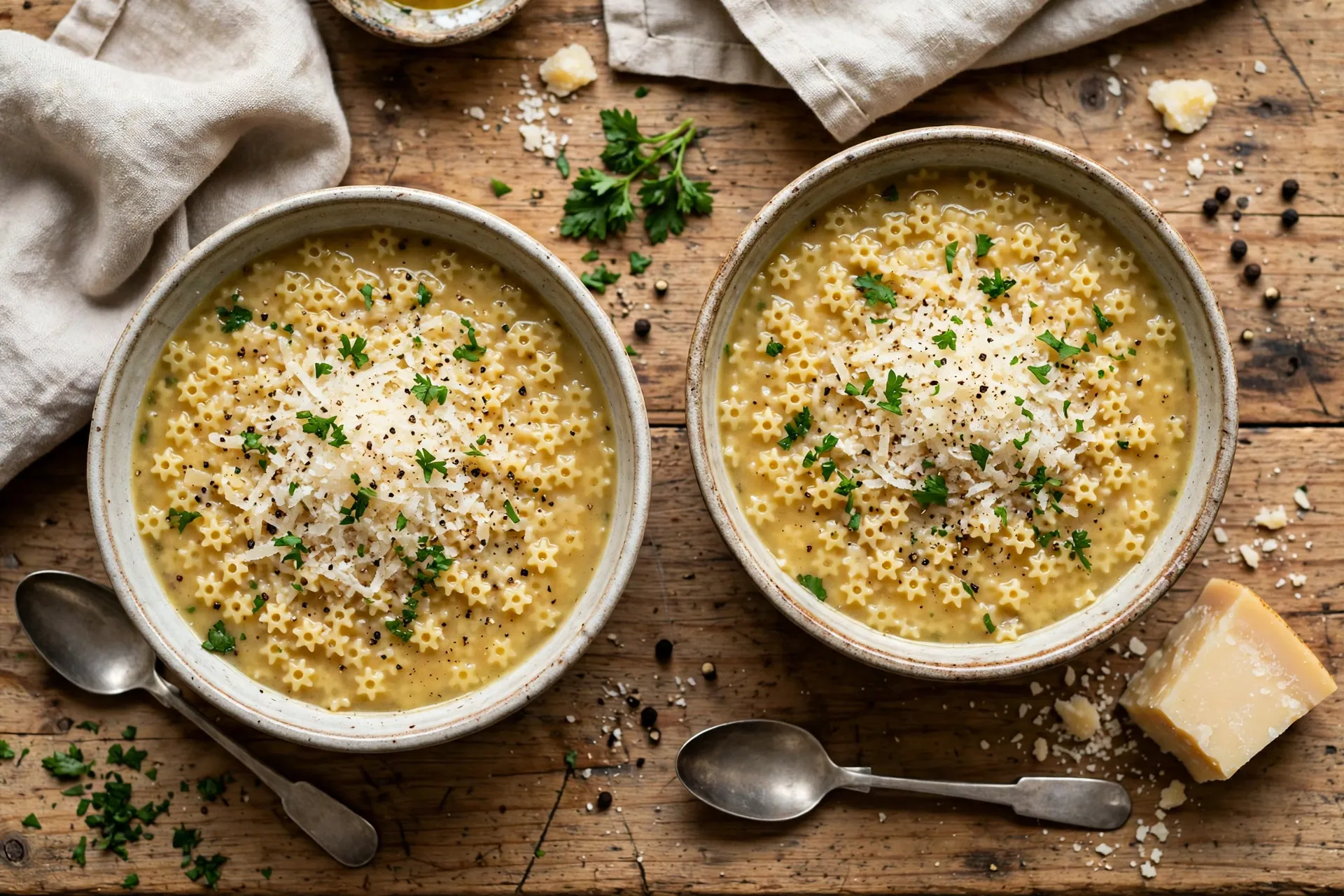 6 Serve It Hot. Ladle the pastina into warm bowls — a cold bowl steals the heat from such a small portion. Top each bowl with extra grated Parmesan, a crack of black pepper, and a sprinkle of chopped parsley. Serve it right away, while the butter is glossy and the pasta is soft, because pastina waits for no one.
Technique: The Broth and Butter System
Pastina looks like the simplest recipe in the world — yet the difference between a silky bowl and a gluey one comes down to three decisions: how much broth, when the butter goes in, and how the egg is handled.
The Broth Ratio: Soupy or Creamy
The ratio here — 1 cup of pastina to 4 cups of broth — makes a bowl right in the middle: spoonable, a little brothy, and creamy at the same time. For a soupier bowl, use 5 cups of broth and cook for about 6 minutes. For a thicker, risotto-like bowl, use 3 1/2 cups of broth and cook the full 8 minutes. The pasta keeps absorbing liquid as it sits, so always err on the soupy side — a bowl that looks a touch too loose in the pot will be perfect at the table.
Why the Butter Goes In Off the Heat
Butter and cheese are the finish, not the cooking liquid, and they want gentle heat. Stirred in off the heat, the butter melts slowly into the starchy broth and emulsifies into a smooth, glossy sauce instead of floating on top as grease. If the pot is still boiling, the cheese can seize into grainy clumps and the butter can separate. So the rule is simple: the pot comes off the burner first, and only then do the butter and Parmesan go in. Stir for a full 30 seconds and watch the sauce turn glossy.
The Egg-Drop Method Without Scrambling
The egg is what turns good pastina into great pastina — it adds body, a golden color, and a silkiness no amount of butter can match. Yet it is also the step people fear, because a scrambled egg in pasta is a sad sight. The fix is tempering: warming the egg slowly with a ladle of hot broth before it ever meets the pot. Whisk the egg, ladle in the hot broth while whisking, then pour the warmed mixture back in a thin stream while stirring hard — the egg thickens the broth instead of setting into shreds. Two more rules keep it safe: the pot must be off the heat when the egg goes in, and the stirring must not stop until the egg is fully mixed in.
The One-Minute Rest
That short rest after seasoning is the most skipped step in the whole recipe, and it is the one that makes the texture right. Fresh off the heat, the sauce still looks a little loose, and the temptation is to keep cooking it. Do not. In that one minute, the pasta absorbs the last of the free broth and the bowl tightens into the creamy, spoonable texture pastina is famous for. The cooking is done — the waiting is part of it.
Tips for the Best Pastina
- Use low-sodium broth. The Parmesan adds plenty of salt, so season the bowl yourself.
- Pour the pasta in slowly while stirring. A slow stream plus constant stirring is the secret to clump-free pastina.
- Stir every minute while it cooks. The little stars settle fast, so scrape the bottom each time.
- Take the pot off the heat before the butter and cheese. High heat makes Parmesan grainy and butter greasy — gentle residual heat makes them silky.
- Temper the egg with hot broth first. A ladle of broth into the whisked egg is the difference between silk and shreds.
- Err on the soupy side. Pastina thickens as it sits, so a bowl that looks a touch loose in the pot will be perfect.
- Serve it immediately in warm bowls. Pastina waits for no one — a cold bowl and five minutes turn a silky bowl into a stiff one.
- Taste before you salt. Between the broth and the Parmesan, the bowl may already be salty enough.
Variations
Pastina with Peas and Carrots
Stir 1/2 cup of frozen peas and 1/2 cup of finely diced carrots into the broth with the pastina. The vegetables cook in the same 6 to 8 minutes, and the peas add sweet pops of color that kids love. Finish with butter and Parmesan exactly as written.
Pastina Soup (Extra Brothy)
Use 5 cups of broth instead of 4, cook the pastina for 6 minutes only, and skip the egg. The result is a true soup — tiny stars floating in golden broth — the version to make for a sore throat or a cold evening. Serve it in a deep bowl with extra Parmesan.
Pastina with Chicken
Stir 1 cup of shredded rotisserie chicken into the pot with the butter and Parmesan — it warms through in the residual heat, and the bowl becomes a full, protein-rich dinner. A handful of baby spinach stirred in at the same time wilts beautifully.
What to Serve With Pastina
Pastina is a gentle, simple bowl, so it pairs best with things that add crunch or freshness. Warm, buttery garlic toast is the classic partner — something crisp to dip into the creamy broth and mop up the last spoonfuls. A simple green salad with lemon dressing balances the richness. For a heartier dinner, serve a small bowl of pastina first, like an Italian primo, followed by grilled chicken or fish. On a cold night, though, pastina needs nothing at all — a warm bowl, a spoon, and a quiet corner are enough.
Storage
In the Fridge
Store leftover pastina in an airtight container in the fridge for up to 3 days. It will thicken a lot as it sits — that is normal, not a failure. The starch keeps absorbing the broth, so expect the leftovers to look more like thick porridge than soup.
How to Reheat Pastina
Reheat pastina gently on the stove over low heat, never in the microwave on high. Put the leftovers in a small saucepan, add 1/4 to 1/2 cup of broth or water per cup of pastina, and stir often until hot, about 3 to 4 minutes. The extra liquid loosens the starch back into a creamy sauce. Stir in a small knob of butter and a spoonful of Parmesan at the end to bring the silkiness back.
In the Freezer
Pastina does not freeze well — the tiny pasta turns mushy and the sauce separates when it thaws. If you must freeze it, freeze the plain cooked pasta in broth without the butter, cheese, or egg for up to 1 month, then thaw overnight in the fridge and finish it fresh with butter and Parmesan. Fresh is always better for this one.
Make-Ahead
Pastina is a cook-and-serve recipe, not a make-ahead one, because it thickens within minutes. The smart way to get ahead is to measure everything in advance: the pastina in a bowl, the butter cut into pieces, the Parmesan grated, the egg whisked and waiting. Then the recipe takes 10 minutes from the moment the broth boils.
Frequently Asked Questions
What is pastina?
Pastina is a tiny Italian pasta — the name means “little pasta” — and the most common shape is stelline, or little stars. Italian families have cooked it in broth for generations as a comfort food for children and for sick days. It cooks in minutes and turns brothy and creamy at once.
How much broth do I need for pastina?
Use 4 cups of broth for every 1 cup of pastina for a creamy, spoonable bowl. For a soupier bowl, use 5 cups; for a thicker, risotto-like bowl, use 3 1/2 cups. The pasta keeps absorbing liquid as it sits, so always err on the soupy side — the bowl will thicken by the time it reaches the table.
Can I make pastina without the egg?
Yes. The egg is completely optional. Without it, the pastina is still creamy and delicious, thanks to the starch from the pasta plus the butter and Parmesan. The plain version is the one to make for picky kids or anyone avoiding eggs.
How do you keep pastina from clumping?
Pour the pastina into the broth in a slow stream while stirring, then stir every minute while it cooks, scraping the bottom of the pot. Tiny pasta clumps when it sits still, so constant movement is the fix. If a clump does form, press it gently against the side of the pot and it will break apart.
How do you reheat pastina?
Reheat it gently on the stove over low heat with extra liquid — add 1/4 to 1/2 cup of broth or water per cup of pastina and stir often for 3 to 4 minutes until hot. Then stir in a knob of butter and a spoonful of Parmesan to bring back the creaminess. Do not microwave it on high — the pasta turns rubbery and the sauce grainy.
Try These Next
- Creamy Chicken Spaghetti — another creamy, cozy one-pot pasta dinner with tender chicken in a silky sauce.
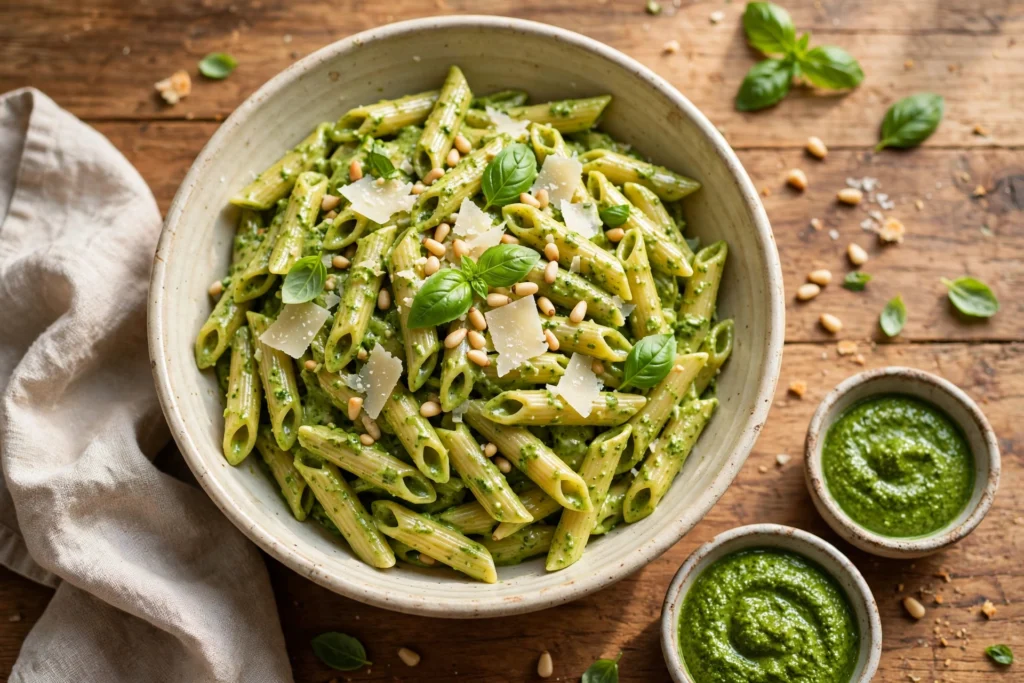
- Pesto Pasta — a bright, herby Italian pasta just as fast as pastina, for the nights you want green instead of golden.
- Million Dollar Soup — a rich, hearty comfort soup for the same cold-night rotation as this pastina. Chicken and Gnocchi Soup — a creamy one-pot soup with pillowy gnocchi and seared chicken.
- Spaghetti Squash in Oven — roasted spaghetti squash, tender and easy.
>
Pastina Recipe
Ingredients
The Pasta and the Broth
- 1 cup pastina stelline, tiny star pasta
- 4 cups low-sodium chicken broth
The Buttery Finish
- 4 tablespoons unsalted butter cut into pieces
- 1/2 cup freshly grated Parmesan cheese plus more for serving
The Seasoning and the Optional Egg
- 1 large egg at room temperature (optional, for the egg-drop version)
- 1/4 teaspoon fine sea salt
- 1/4 teaspoon freshly ground black pepper
- 2 tablespoons chopped fresh parsley for serving
Instructions
- Pour 4 cups of low-sodium chicken broth into a medium saucepan and bring to a gentle boil over medium-high heat. Cut the butter into small pieces and grate the Parmesan while the broth heats.

- Stir the broth once, then pour in 1 cup of pastina in a slow stream while stirring. Lower the heat to medium and cook at a gentle simmer for 6 to 8 minutes, stirring often, until the pasta is tender and most of the broth has been absorbed but the pot is still loose and spoonable.
- If making the egg-drop version, whisk 1 large egg in a small bowl until just combined. Take the pot off the heat, ladle about 1/4 cup of hot broth into the egg while whisking constantly, then pour the warmed egg mixture back into the pot in a thin stream, stirring vigorously the whole time. If skipping the egg, simply take the pot off the heat.
- Add the butter pieces and 1/2 cup of freshly grated Parmesan to the pot off the heat. Stir constantly for about 30 seconds, until the butter has melted and the cheese has disappeared into the pasta and the bowl looks glossy and creamy.
- Taste, then stir in 1/4 teaspoon fine sea salt and 1/4 teaspoon freshly ground black pepper. Let the pot sit uncovered for 1 minute so the pasta absorbs the last of the loose broth and the sauce tightens. Stir in a splash of warm broth if it looks too thick.
- Ladle the pastina into warm bowls and serve right away, topped with extra grated Parmesan, a crack of black pepper, and a sprinkle of chopped fresh parsley.

Notes
- Use low-sodium broth — the Parmesan adds plenty of salt, and low-sodium broth lets you season the bowl yourself.
- Pour the pastina in slowly while stirring; a slow stream plus constant stirring is the secret to clump-free pastina.
- Stir every minute while it cooks and scrape the bottom of the pot — the little stars settle fast and stick.
- Take the pot off the heat before adding the butter and cheese; high heat makes Parmesan grainy and butter greasy.
- Temper the egg with a ladle of hot broth first — it is the difference between a silky finish and scrambled shreds.
- Err on the soupy side: pastina thickens as it sits, so a bowl that looks a touch loose in the pot will be perfect at the table.
- Serve immediately in warm bowls; pastina waits for no one and stiffens within minutes.
- Reheat leftovers gently on the stove with 1/4 to 1/2 cup of broth or water per cup of pastina, then stir in a knob of butter and a spoonful of Parmesan.