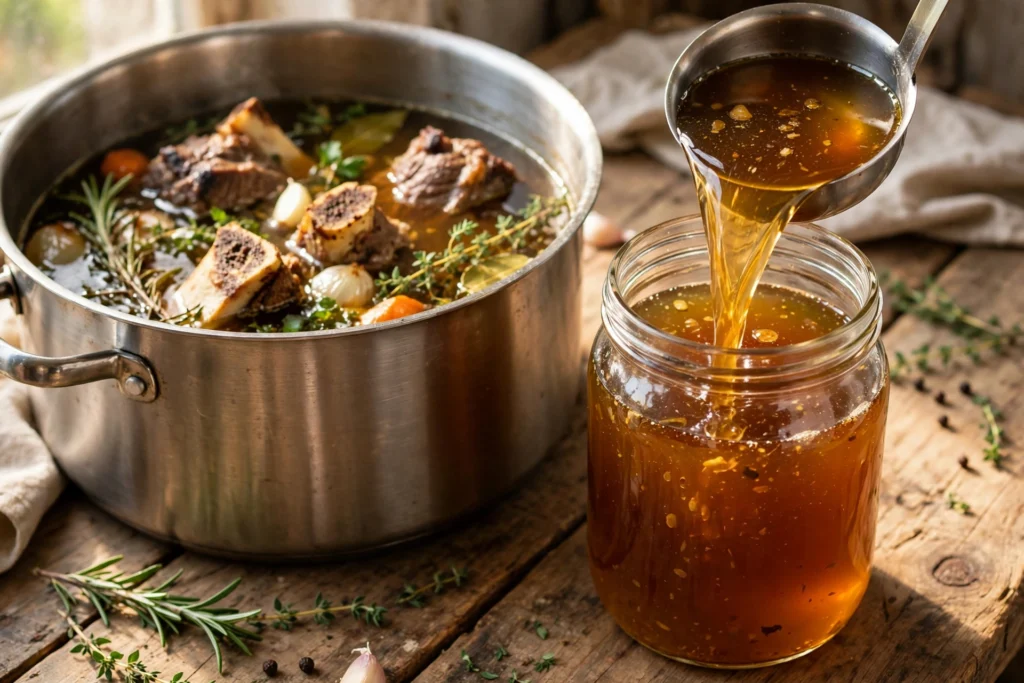
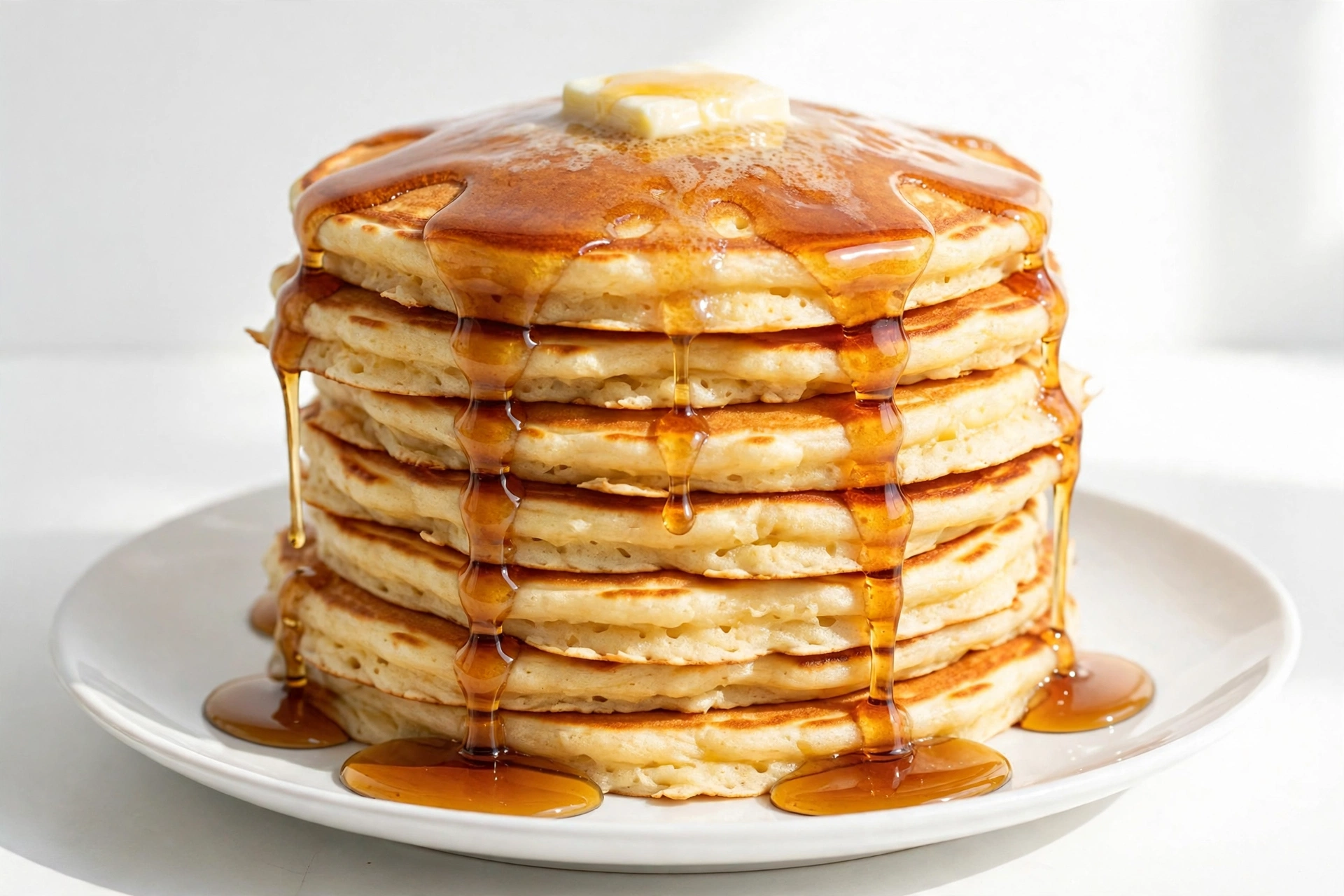
Tall, golden, and soft in the middle — this easy pancake recipe is the one to learn by heart. It uses pantry staples, one bowl, and a hot pan, and it turns out fluffy pancakes in about 25 minutes. No buttermilk, no mixer, no special equipment.
Pancakes look simple until the first batch comes out flat. The fix is not a secret ingredient — it is the way you mix the batter and heat the pan. This recipe walks you through both, so your pancakes rise high, brown evenly, and stay soft inside. Make them on a slow Saturday, or on a busy weekday when everyone wants something warm.

Why You’ll Love It
- Pantry staples only. Flour, sugar, baking powder, milk, eggs, butter, and vanilla — nothing to buy specially.
- Fluffy every single time. The lumps-are-good mixing rule and a short batter rest give you tall, soft pancakes.
- Ready in 25 minutes. Mix the batter in 5 minutes, let it rest, and cook the whole batch in about 10.
- No mixer needed. One bowl and a whisk do the whole job, and the cleanup is almost nothing.
- Kid-friendly cooking. Kids can whisk the batter, watch the bubbles, and pick their own toppings.
- Easy to double. The recipe scales cleanly, so it feeds a crowd or fills the freezer for busy mornings.
- Endlessly flexible. Blueberries, chocolate chips, banana, or plain with butter and syrup — one base batter does it all.
Ingredients
Dry Ingredients
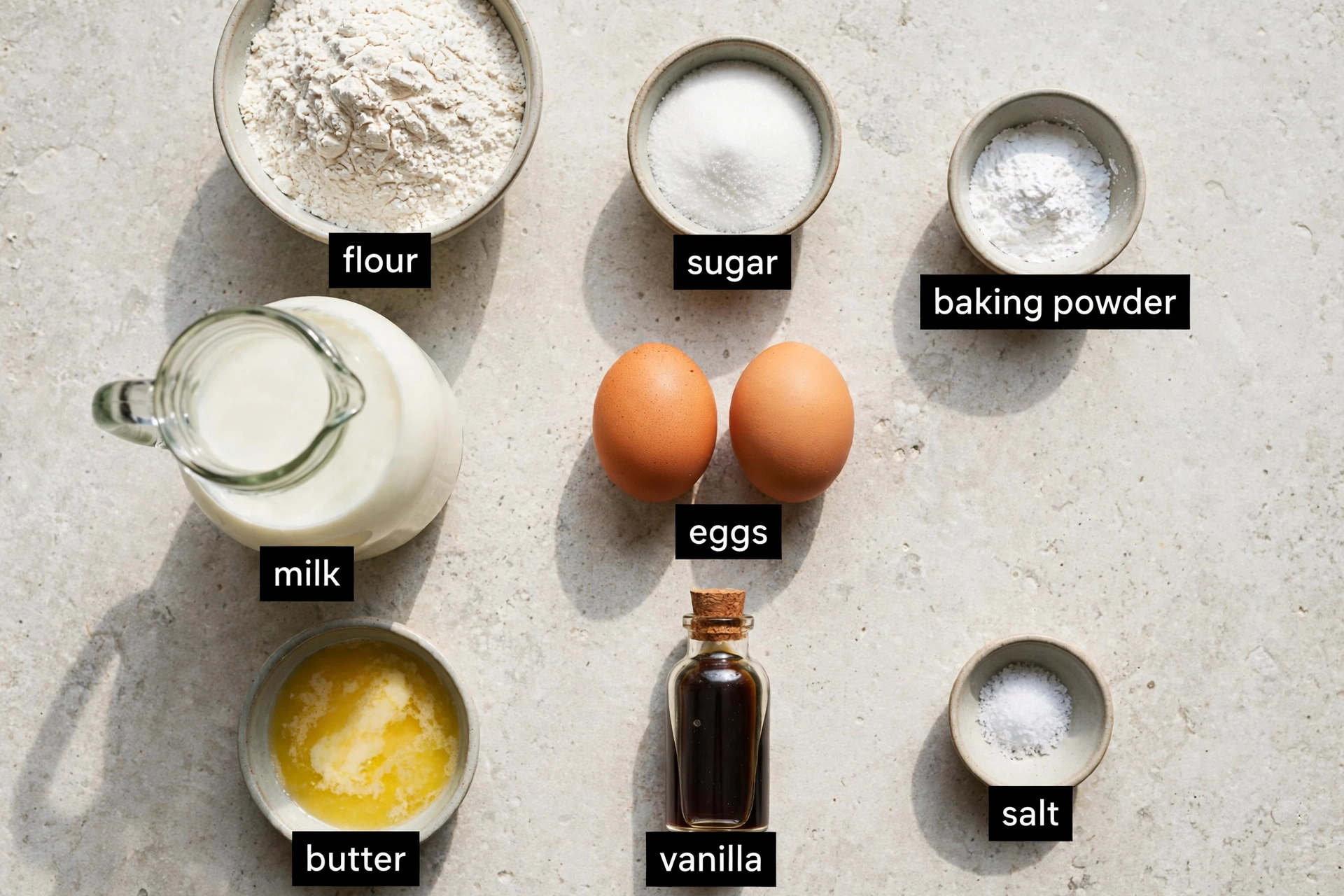
- 2 cups all-purpose flour — The structure of the pancake. Spoon the flour into the measuring cup and level it with a knife, because a packed cup adds too much flour and makes dense pancakes. Substitution: 2 cups white whole wheat flour for a heartier pancake, or a 1-to-1 gluten-free flour blend.
- 2 tablespoons granulated sugar — Just enough sweetness for a golden crust and a lightly sweet crumb. It also helps the pancakes brown. Substitution: 2 tablespoons brown sugar for a warmer, caramel note.
- 2 teaspoons baking powder — The main leavener, and the reason these pancakes rise tall. Check that your baking powder is fresh — if it is older than 6 months after opening, it loses power and the pancakes stay flat. Substitution: use 1/2 teaspoon baking soda plus 2 tablespoons of lemon juice or vinegar in the milk, though the flavor changes slightly.
- 1/2 teaspoon baking soda — Works with the baking powder to give extra lift and a tender crumb. Substitution: leave it out and add 1/2 teaspoon more baking powder, though the pancakes will be a touch less tender.
- 1/2 teaspoon salt — Sharpens the sweet vanilla and butter flavors. Substitution: 1/2 teaspoon fine sea salt.
Wet Ingredients
- 1 1/2 cups milk — Whole milk gives the richest flavor and the softest crumb, but any milk works here. Substitution: 2% milk, oat milk, or almond milk; for a tangier pancake, use 1 1/2 cups buttermilk and skip the baking soda.
- 2 large eggs — Bind the batter, add richness, and give the pancakes their golden color. Room-temperature eggs mix more smoothly. Substitution: 2 flax eggs (2 tablespoons ground flaxseed mixed with 5 tablespoons water, rested 5 minutes) for an egg-free version.
- 3 tablespoons unsalted butter, melted and slightly cooled — Adds rich flavor and helps the pancakes brown. Let it cool a minute so it does not cook the eggs when it hits the bowl. Substitution: 3 tablespoons neutral oil such as vegetable or avocado oil, or melted coconut oil.
- 1 teaspoon vanilla extract — The warm background flavor that makes homemade pancakes taste like homemade pancakes. Substitution: 1 teaspoon almond extract for a different twist, or skip it — the pancakes still work.
For Cooking and Serving
- Butter or oil for the pan — A little butter in the pan gives golden, crisp edges. Substitution: a light spray of cooking spray, or neutral oil brushed on with a paper towel.
- Maple syrup, fresh berries, and extra butter, to serve — The classic finish. Warm the syrup for 20 seconds in the microwave and it soaks in beautifully.
How to Make Easy Pancakes
1 Step 1 — Mix the Batter
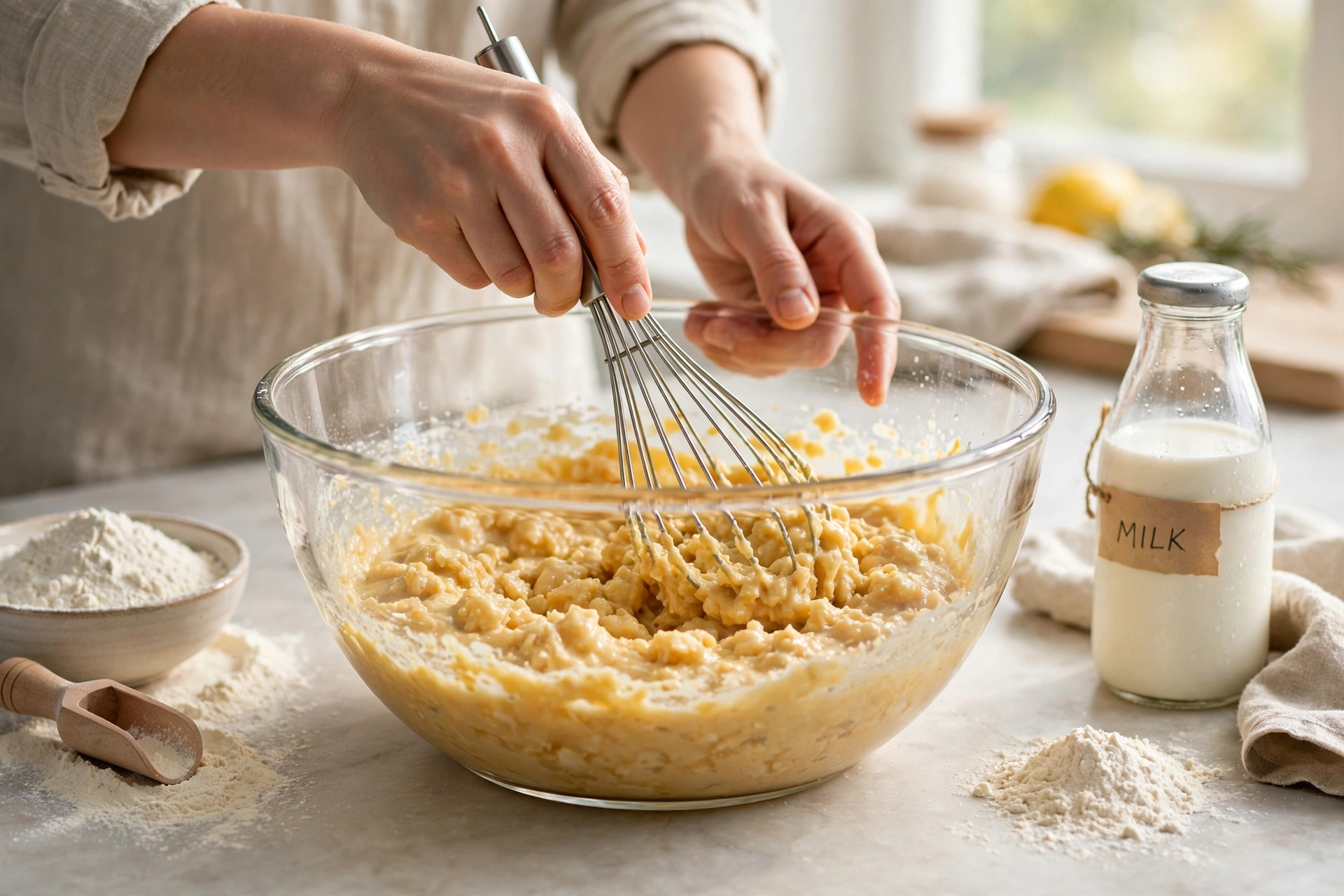
Mix the batter. Whisk the flour, sugar, baking powder, baking soda, and salt together in a large bowl. In a separate bowl or jug, whisk the milk, eggs, melted butter, and vanilla until smooth. Pour the wet ingredients into the dry ingredients and stir gently with a spatula — just until the flour disappears. Stop while the batter still has small lumps. Those lumps are your friends, and the technique section below explains why.
2 Step 2 — Rest the Batter
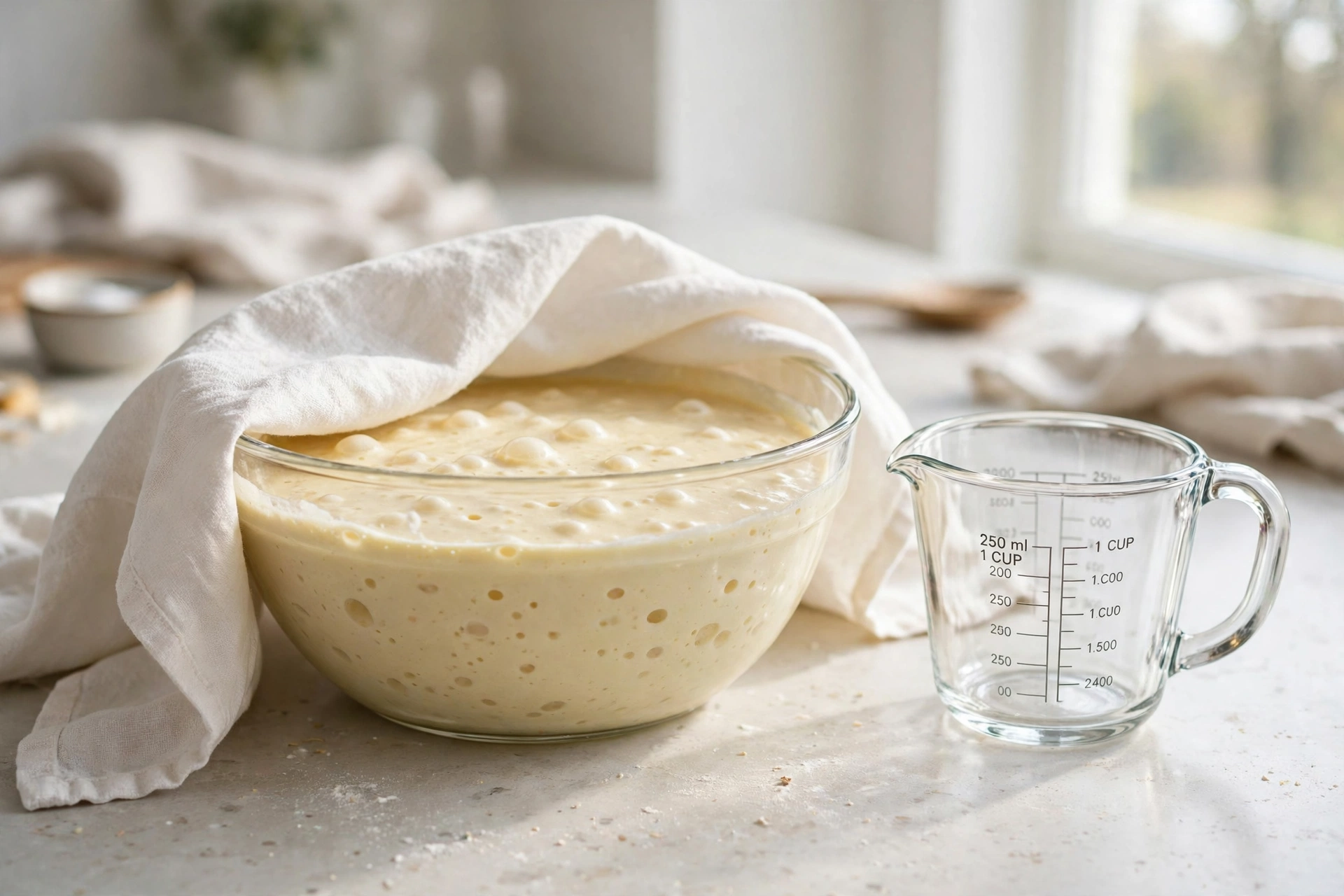
Rest the batter. Cover the bowl loosely with a kitchen towel and let the batter rest for 5 minutes. During the rest, the flour absorbs the milk, the baking powder starts working, and tiny bubbles form. You will see the batter thicken slightly and look a little puffy. Meanwhile, heat your pan — that way the rest time is not wasted.
3 Step 3 — Cook the Pancakes
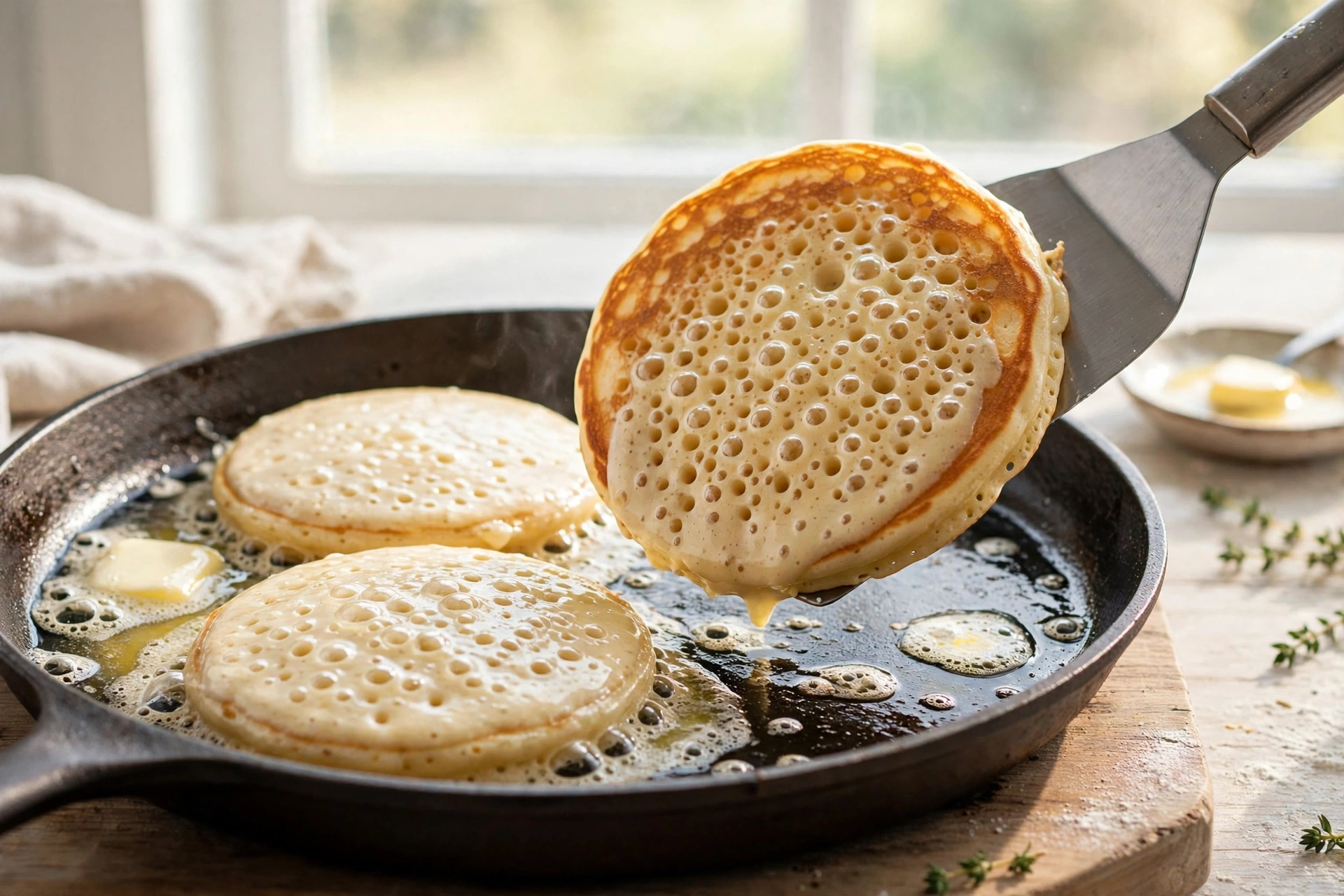
Cook the pancakes. Heat a large nonstick skillet or griddle over medium heat and add a small pat of butter. When the butter foams and the pan passes the water-drop test (see the Tips box), scoop about 1/4 cup of batter per pancake onto the pan. Cook for 2 to 3 minutes, until bubbles appear on the surface and the edges look dry and set. Flip once and cook 1 to 2 minutes more, until the second side is golden brown. Move the finished pancakes to a plate and keep them warm in a low oven at 200 F while you cook the rest.
4 Step 4 — Serve
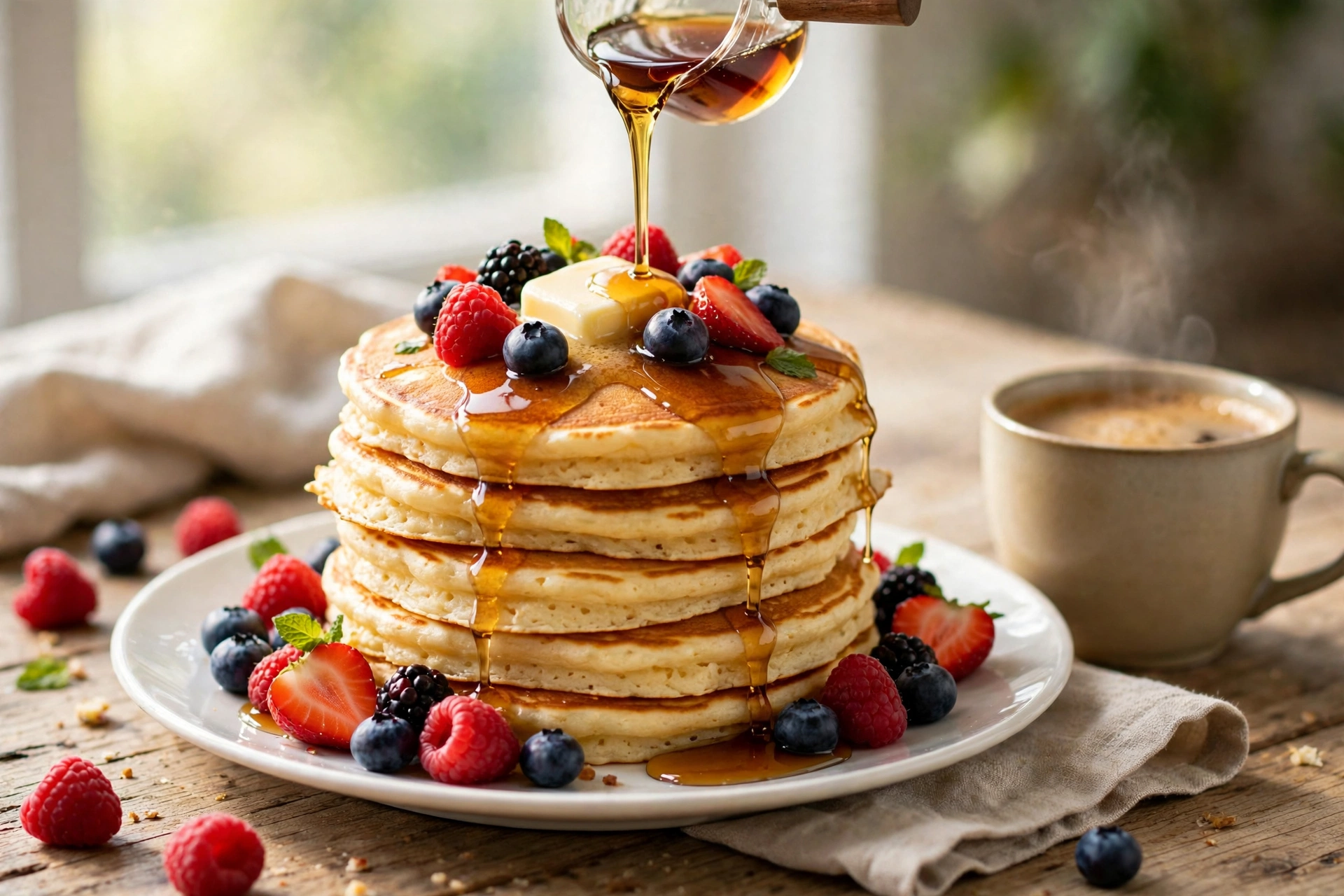
Serve. Stack the pancakes high on warm plates, top with a pat of butter, and pour over warm maple syrup. Add fresh berries if you have them, and serve right away while the pancakes are still soft and steamy inside.
Technique: How to Get Fluffy Pancakes Without Overmixing
If your pancakes ever came out flat, rubbery, or tough, overmixing was almost certainly the cause. The batter only needs a few gentle strokes. This section shows you exactly where to stop, because the difference between fluffy pancakes and flat ones is about ten seconds of stirring.
Why Lumps Are Good
Flour contains gluten, and gluten gets stronger the more you stir. A smooth, glossy batter looks right, but it means the gluten is fully developed — and fully developed gluten makes tough, chewy pancakes that cannot rise. A lumpy batter, on the other hand, has barely-awakened gluten, so the baking powder can push the batter upward easily. So when the batter looks a little rough, stop. That rough look is the whole secret.
Count Your Strokes
Pour the wet ingredients into the dry ingredients, then stir with a spatula in slow, wide circles. Count as you go: 10 to 12 strokes is usually enough. The batter should look thick, a little lumpy, and just barely combined. If you see a few streaks of flour, give it two more strokes and stop. Never whisk the batter after the wet and dry ingredients meet — a whisk overmixes it in seconds.
Let the Rest Do the Work
The 5-minute rest finishes what your spatula started. The flour hydrates, the lumps soften, and the baking powder begins releasing gas. If you skip the rest, the pancakes still cook, but they come out thinner and less tender. So mix gently, then walk away for 5 minutes and let chemistry do the hard part.
Watch the Bubbles, Not the Clock
The bubbles on the surface tell you when to flip. When bubbles rise, pop, and leave little holes that stay open, the bottom is set and golden. If you flip too early, the pancake tears and deflates. If you flip too late, the bottom burns. Medium heat is the right zone: hot enough that bubbles appear in about 2 minutes, gentle enough that the pancake cooks through before the outside darkens.
Tips for the Best Easy Pancakes
- Do the water-drop test. Flick a few drops of water onto the hot pan. If they sizzle and evaporate in 2 to 3 seconds, the pan is ready. If they sit there, the pan is too cool. If they vanish instantly, the pan is too hot — turn it down and wait a minute.
- Do not press the pancakes down. Pressing squeezes the air out and flattens them. Let them rise on their own, and flip each one only once.
- Expect a funny first pancake. The first pancake is almost always a little pale or oddly shaped while the pan finds its temperature. Eat it yourself and move on — the second batch is always better.
- Wipe the pan between batches. If butter browns too much in the pan, wipe it out with a paper towel and add a fresh pat. Burnt butter makes the next pancakes taste bitter.
- Keep them warm in the oven. A 200 F oven with the pancakes on a baking sheet keeps them warm and soft without drying them out.
- Measure the flour right. Spoon the flour into the cup and level it off. Scooping straight from the bag packs the flour down, and one packed cup can add 2 extra tablespoons — enough to turn fluffy pancakes dense.
- Use room-temperature milk and eggs. Cold milk and eggs make the melted butter firm up into little clumps. If you forgot to take them out, warm the milk for 20 seconds in the microwave first.
Variations
Blueberry Pancakes
Fold 3/4 cup of fresh or frozen blueberries into the rested batter just before cooking. Use frozen berries straight from the freezer so they do not bleed color into the batter. Sprinkle a few extra berries on top of each pancake right after you pour the batter, so they show on the surface.
Chocolate Chip Pancakes
Fold 1/2 cup of chocolate chips into the batter after the rest. The chips melt into gooey pockets as the pancakes cook. A dusting of powdered sugar on top makes them taste like a weekend treat.
Banana Pancakes
Mash 1 ripe banana and stir it into the wet ingredients before combining. The banana adds natural sweetness and a soft, moist crumb. Reduce the milk by 2 tablespoons, because the banana adds moisture. Top with sliced banana and a drizzle of honey.
Buttermilk Pancakes
Swap the milk for 1 1/2 cups of buttermilk and skip the baking soda — the buttermilk’s acid already activates the baking powder. These come out extra tangy and tender. If you do not have buttermilk, stir 1 tablespoon of lemon juice or white vinegar into 1 1/2 cups of milk and wait 5 minutes.
Whole Wheat Pancakes
Replace half the all-purpose flour with whole wheat flour — 1 cup of each. The pancakes turn a little heartier and nuttier, and they keep you full longer. Let the batter rest a full 10 minutes so the whole wheat flour has time to hydrate and soften.
Dairy-Free Pancakes
Use oat milk or almond milk instead of dairy milk, and swap the butter for 3 tablespoons of melted coconut oil or neutral vegetable oil. Cook the pancakes in a little oil instead of butter. They still brown nicely and taste just as good with maple syrup and fruit.
What to Serve With Easy Pancakes
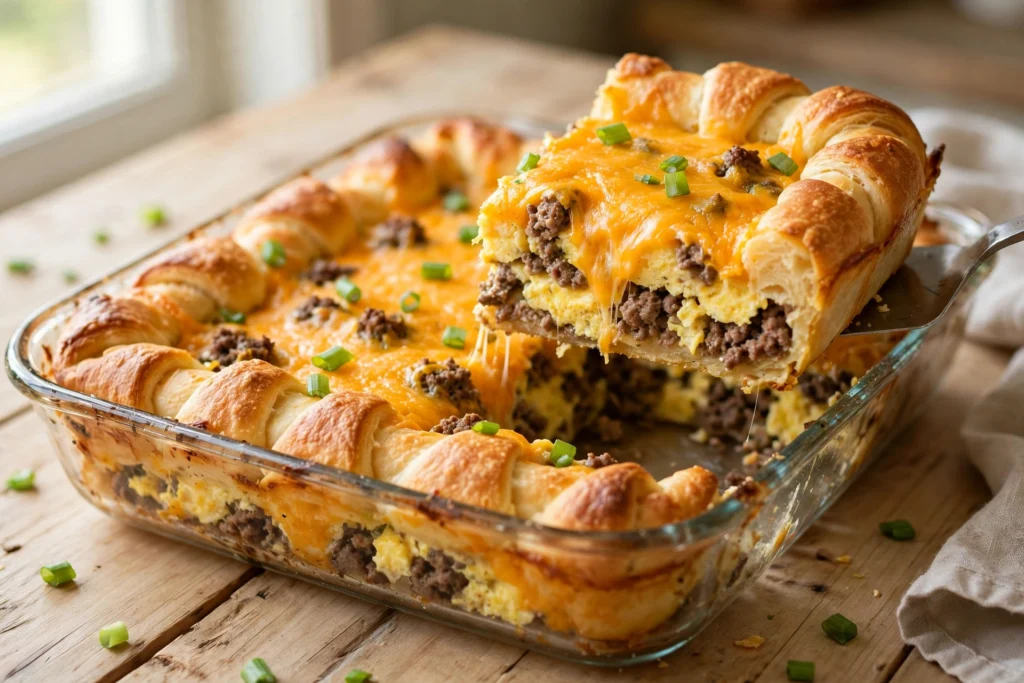
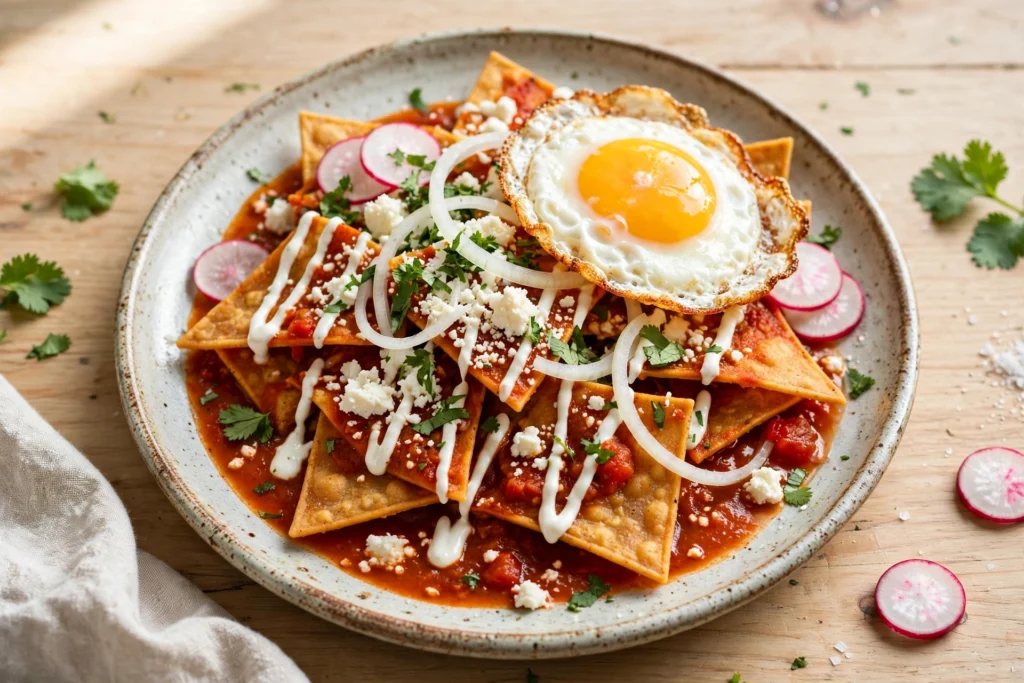
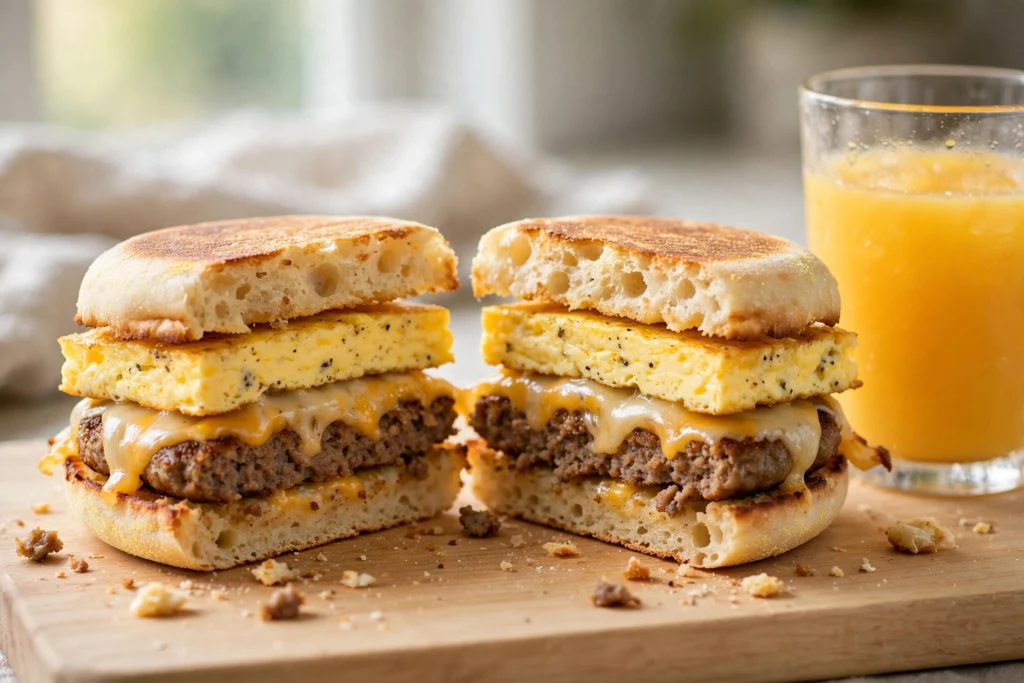
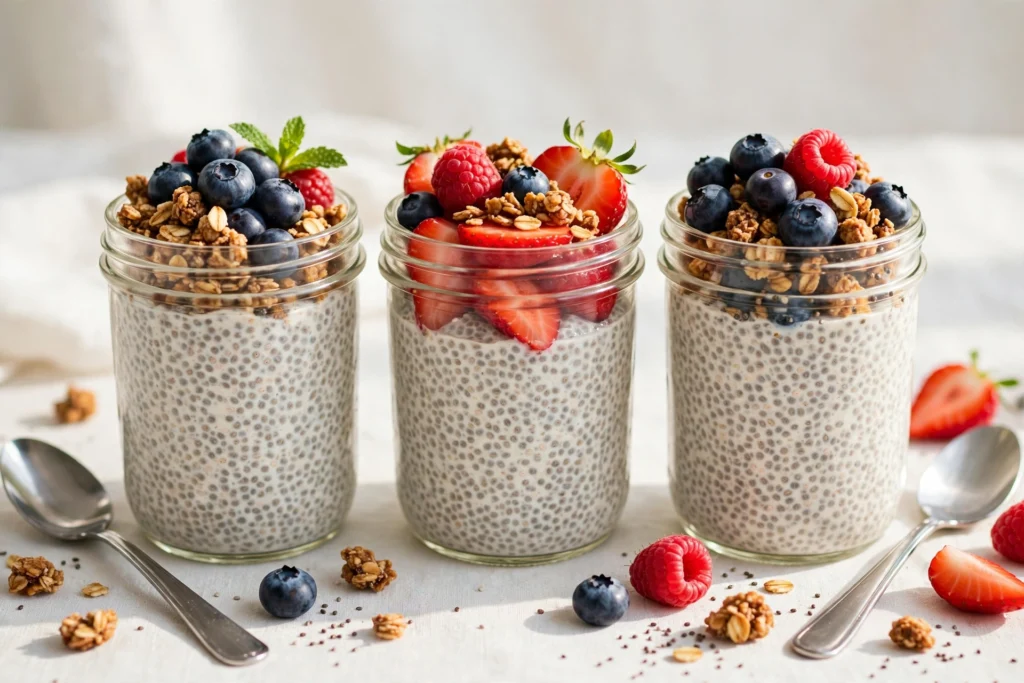
Pancakes are the sweet center of the breakfast table, so pair them with something savory and something fresh. Crispy bacon or breakfast sausage adds salt and crunch next to the soft, sweet stack, and a bowl of fresh fruit keeps the plate bright. For a big weekend brunch, add scrambled eggs and a savory dish like chorizo con huevos or huevos ahogados. A fresh fruit salad such as ensalada de manzana works beautifully alongside pancakes, and a crescent roll breakfast casserole turns the meal into a full brunch spread. For drinks, hot coffee is the classic, but a warm mug of ponche navideno makes a holiday morning feel special. And to finish the brunch, a small bowl of Mexican rice pudding is a lovely lighter dessert after pancakes.
Storage
In the Fridge
Let the pancakes cool completely, then stack them with a small square of parchment paper between each one and store them in an airtight container or zip-top bag for up to 3 days. The parchment keeps them from sticking together, so you can pull out exactly as many as you need.
Reheating
Reheat pancakes in the microwave for 20 to 30 seconds per pancake, or warm them in a toaster on a low setting for a crisp edge. A dry skillet over medium heat for 1 minute per side also works and brings back a little of the fresh-cooked texture. Add toppings fresh after warming, not before.
In the Freezer
Pancakes freeze beautifully for up to 2 months. Cool them fully, stack them with parchment between each one, and slide the stack into a freezer bag with the air pressed out. Thaw them overnight in the fridge, or reheat straight from frozen in the toaster or microwave — the easiest way to have homemade pancakes on a busy weekday morning.
Frequently Asked Questions
Why are my pancakes flat?
Flat pancakes usually mean overmixed batter or old baking powder. Stir the batter only 10 to 12 strokes and stop while it still has lumps, then let it rest for 5 minutes. Also check your baking powder: stir 1/2 teaspoon into hot water, and if it does not fizz strongly, buy a fresh can.
Can I make pancake batter the night before?
Yes, but with one change. Mix the batter, cover it, and refrigerate it overnight — but add the baking powder in the morning, just before cooking. Baking powder starts working as soon as it touches liquid, so batter mixed the night before loses most of its lift by morning. Stir the baking powder in gently, rest 5 minutes, and cook as usual.
Why is the first pancake always bad?
The first pancake is the pan’s test run. The temperature is still settling, and there is usually a little too much or too little butter in the pan. It comes out pale, splotchy, or oddly shaped. This is normal — even professional cooks expect it. Eat the first pancake yourself and the rest of the batch will be golden.
How do I know when to flip a pancake?
Watch the surface, not the clock. When bubbles rise across the top, pop, and leave little holes that stay open, and the edges look dry and set, it is time to flip. That usually takes 2 to 3 minutes over medium heat. Flip once, cook 1 to 2 minutes more, and the second side should be golden brown.
Can I make these pancakes without eggs?
Yes. Replace the 2 eggs with 2 flax eggs — mix 2 tablespoons of ground flaxseed with 5 tablespoons of water and let it sit for 5 minutes until thick. The pancakes will be slightly denser but still soft, and they hold together well on the pan.
What is the best pan for pancakes?
A large nonstick skillet or an electric griddle gives the most even results. Cast iron works beautifully too, once it is properly heated and lightly buttered — it holds a steady temperature and gives deep golden color. Avoid thin pans, because they develop hot spots that burn the middle before the edges set.
Try These Next
- Crescent Roll Breakfast Casserole — a make-ahead savory breakfast bake for brunch mornings.
- Chorizo con Huevos — spicy chorizo scrambled with eggs, the savory partner to sweet pancakes.
- Huevos Ahogados — eggs poached in salsa, a warm and cozy Mexican breakfast.
- Ensalada de Manzana — a creamy apple salad that adds fresh crunch to the brunch table.
- Mexican Rice Pudding — a sweet, cinnamon-scented finish after a pancake breakfast.
- hot chocolate mexicano
- easy baked salmon
Easy Pancake Recipe
Ingredients
Dry ingredients:
- 2 cups all-purpose flour
- 2 tablespoons granulated sugar
- 2 teaspoons baking powder
- 1/2 teaspoon baking soda
- 1/2 teaspoon salt
Wet ingredients:
- 1 1/2 cups milk
- 2 large eggs
- 3 tablespoons unsalted butter melted and slightly cooled
- 1 teaspoon vanilla extract
For cooking and serving:
- Butter or oil for the pan
- Maple syrup to serve
- Fresh berries to serve
Instructions
- Whisk the flour, sugar, baking powder, baking soda, and salt together in a large bowl.
- In a separate bowl or jug, whisk the milk, eggs, melted butter, and vanilla until smooth.
- Pour the wet ingredients into the dry ingredients and stir gently with a spatula for 10 to 12 strokes, just until the flour disappears. Stop while the batter still has small lumps.
- Cover the bowl loosely with a kitchen towel and let the batter rest for 5 minutes.
- Heat a large nonstick skillet or griddle over medium heat and add a small pat of butter. Scoop about 1/4 cup of batter per pancake onto the pan.
- Cook 2 to 3 minutes, until bubbles appear on the surface and the edges look dry and set. Flip once and cook 1 to 2 minutes more, until golden brown on the second side.
- Transfer to a plate and keep warm in a low oven at 200 F while cooking the remaining batter. Serve hot with butter, warm maple syrup, and fresh berries.
Notes
- Stir the batter only 10 to 12 strokes and stop while it still has lumps — overmixing makes tough, flat pancakes.
- Let the batter rest for 5 minutes so the flour hydrates and the baking powder starts working.
- Use the water-drop test to check the pan: drops should sizzle and evaporate in 2 to 3 seconds.
- Do not press the pancakes down and flip each one only once.
- The first pancake is almost always a little pale or oddly shaped — that is normal.
- Leftovers keep 3 days in the fridge and freeze well for up to 2 months; stack with parchment between each pancake.